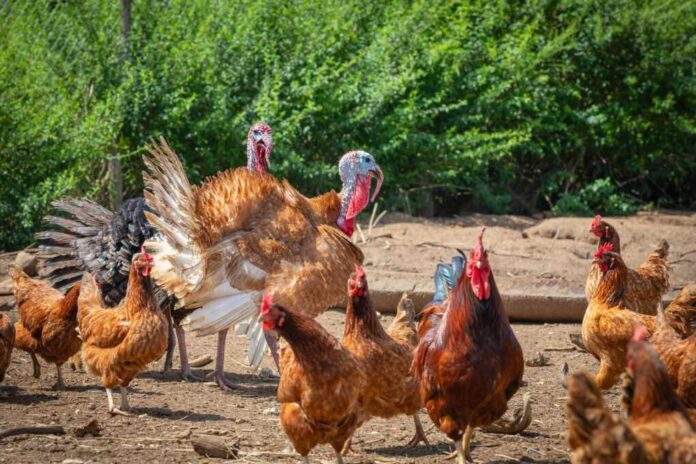
Concerns rise as the H5N1 bird flu threatens to impact Thanksgiving traditions, potentially affecting turkey supplies and sparking food safety fears.
Story Highlights
- H5N1 bird flu outbreak causes worry for Thanksgiving turkey supply.
- CDC reports declining infections, but ongoing monitoring is crucial.
- Poultry supply impacts could lead to regional price increases.
- Food safety remains low-risk if poultry is properly cooked.
Impact of H5N1 on Thanksgiving Turkey Supply
The ongoing H5N1 bird flu outbreak, which has affected poultry and dairy herds across the United States, is raising concerns about the availability of turkeys for the upcoming Thanksgiving holiday. The outbreak, which intensified in early 2024 and continued into 2025, prompted some consumers and industry analysts to express concern about possible shortages and higher prices, according to USDA market assessments.
While certain regions may experience limited disruptions due to culling of infected flocks, the U.S. Department of Agriculture projects that the overall turkey supply will remain sufficient to meet national demand. Producers have increased biosecurity measures to limit the spread of infection and maintain stable production levels.
Public Health and Food Safety Measures
Public health officials emphasize that, despite the outbreak’s scope, the risk of H5N1 infection to consumers remains low if poultry is properly cooked. The Centers for Disease Control and Prevention (CDC) has reported fewer recent cases of H5N1 among agricultural workers and moved to a less frequent reporting schedule as infection rates decline.
The U.S. Food and Drug Administration (FDA) continues to test dairy products for traces of H5N1, with nearly all results returning negative, according to agency updates. The U.S. Department of Agriculture (USDA) is also expanding surveillance of commercial poultry and wild birds to detect and contain new outbreaks swiftly. Officials note that continued monitoring and public communication are critical to maintaining consumer confidence and food safety standards.
Economic and Social Implications
The economic toll on poultry producers remains considerable, as many farms have suffered losses due to culling and temporary production halts. The USDA’s Economic Research Service and independent market analysts have noted regional price increases for turkey and eggs, particularly in states heavily affected by the outbreak.
Socially, concerns about food safety and the ability to uphold holiday traditions have prompted calls for clear communication from public health agencies and industry groups. Transparency about testing, food safety standards, and supply chain conditions is viewed as key to ensuring a smooth and confident holiday season for consumers.
⚠️BREAKING: H5N1 bird flu hits a Georgia poultry farm (140,000 broilers affected), marking the 3rd outbreak in the state this year. USDA is depopulating & quarantining. With 64 flocks impacted nationwide in the last month (3.5M birds lost), concerns rise over food supply and… pic.twitter.com/8XKNL0VSmG
— 𝐃𝐔𝐓𝐂𝐇 (@pr0ud_americans) October 26, 2025
In conclusion, while the H5N1 bird flu presents ongoing challenges for U.S. agriculture, coordinated public health measures and proactive industry management are expected to prevent major disruptions to Thanksgiving celebrations. Continued collaboration among government agencies, producers, and consumers remains vital in safeguarding both public health and seasonal traditions.
Sources:
CDC Bird Flu Situation Summary
Johns Hopkins Public Health Analysis
USDA Avian Influenza Monitoring
FDA Dairy Product Safety Investigation