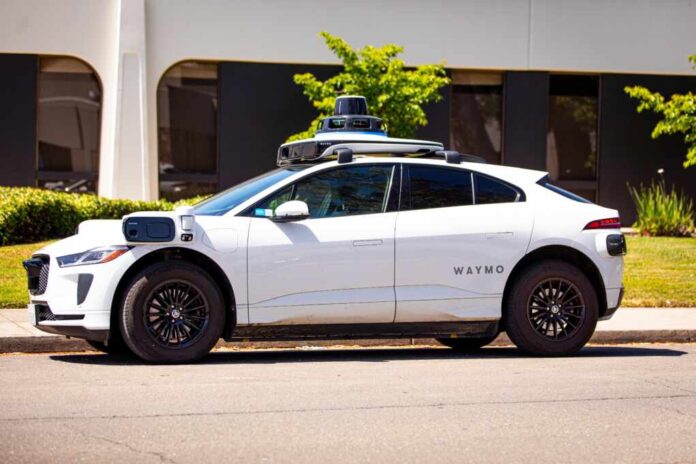
A San Francisco mother delivered her baby in the back seat of a driverless Waymo robotaxi, raising urgent questions about relying on Big Tech machines over human drivers during family emergencies.
Story Snapshot
- A pregnant woman summoned a Waymo robotaxi to UCSF hospital in San Francisco and gave birth en route in the fully autonomous vehicle.
- Waymo’s remote support team detected “unusual activity,” contacted the rider, called 911, and ensured safe arrival ahead of emergency services.
- This marks not the first such birth in a Waymo vehicle, highlighting real-world edge cases for driverless tech.
- The incident unfolds amid federal probes into Waymo’s safety, including 19 incidents of passing stopped school buses in Austin.
- Waymo pulled the vehicle for cleaning post-drop-off, as the company pushes expansion despite regulatory scrutiny.
The Unusual Delivery Unfolds
A pregnant passenger in San Francisco ordered a Waymo robotaxi to reach UCSF hospital. During the autonomous ride through the city’s dense streets, she entered active labor and delivered her baby in the back seat. No human driver was present; the vehicle operated fully driverless under California regulations. Waymo’s remote monitoring system flagged unusual cabin activity, prompting swift intervention. Mother and newborn arrived safely at the medical center before 911 responders reached the scene. This event tests limits of technology in life’s most personal moments, where families expect reliable human judgment.
Waymo’s remote rider support team contacted the passenger after detecting the anomaly. Staff assessed the emergency and dialed 911 directly. The robotaxi continued its programmed route to UCSF without interruption. Post-delivery, Waymo removed the vehicle from service for thorough cleaning. Company statements framed the outcome as proof of trustworthiness for “moments big and small,” serving riders from newborns to seniors. Such framing arrives as Americans, wary of overreliance on unproven tech, demand accountability from corporations shaping daily life.
Waymo’s Safety Record Under Fire
Federal regulators probe Waymo for illegal maneuvers, including at least 19 Austin incidents where vehicles passed stopped school buses with children crossing. Waymo responded with a voluntary software recall to fix detected issues. Despite claims of superior safety over human drivers per mile, these reports fuel skepticism. Families prioritize child protection and commonsense rules on roads. President Trump’s administration emphasizes American innovation with safeguards, rejecting unchecked globalist tech agendas that risk public safety for corporate profits.
Waymo originated from Google’s self-driving project and now scales driverless services in San Francisco, Phoenix, Austin, and beyond. Operations rely on remote oversight rather than onboard humans, subject to state approvals from California’s CPUC and DMV. This birth underscores edge cases like medical crises, where remote teams must substitute for direct assistance. Waymo notes prior similar births, indicating repeated exposure to such scenarios without major publicized failures. Yet, communities question if algorithms truly safeguard vulnerable passengers amid complex urban traffic.
Implications for Families and Regulation
Expectant parents now weigh robotaxis against traditional options like family-driven cars or ambulances. Dependence on interior sensors and distant support raises privacy concerns alongside safety trade-offs. Regulators scrutinize non-driving emergencies, potentially shaping rules on monitoring and 911 protocols. Waymo eyes expansion to 20 more cities, including Dallas, which launches soon. Positive PR from this story counters scrutiny, but conservatives stress limited government intervention to ensure tech serves people—not erodes personal responsibility or family autonomy in critical times.
Special delivery: A woman gave birth in a Waymo robotaxi in San Francisco https://t.co/xICK6TMFIH
— Jazz Drummer (@jazzdrummer420) December 11, 2025
Local debates in San Francisco highlight robotaxi congestion and emergency vehicle interference. Austin residents voice fears over child safety lapses. Waymo holds vehicle data control, while federal authorities like NHTSA wield operational oversight. Public trust hinges on transparent handling of crises, balancing innovation with American values of self-reliance. As President Trump prioritizes secure borders and economic strength, unchecked autonomous fleets demand scrutiny to prevent government overreach via tech monopolies.
Sources:
CBS Bay Area: “San Francisco Waymo passenger gives birth inside self-driving vehicle”