
Nvidia’s board put Jensen Huang back as chief executive after President Trump personally assured directors he broke no national security laws, tightening the bond between the White House and America’s most important chipmaker.
Story Snapshot
- Nvidia’s board unanimously reinstated Huang as chief executive after government assurances.
- President Trump said he directly convinced Nvidia’s board to rehire Huang.
- Lawmakers in both parties warned the move leaves security and governance questions open.
- The episode highlights a wider shift toward direct government pressure on key companies.
What Nvidia’s Board Decided And Why It Matters
Nvidia announced that its board unanimously voted to reinstate Jensen Huang as president, chief executive, and a director, effective immediately. The company said the decision followed talks with Huang and input from senior government levels. The board cited confidence in his leadership and said it received assurances that Huang had not violated national security laws. The move returns the founder widely seen as central to Nvidia’s surge in artificial intelligence chips.
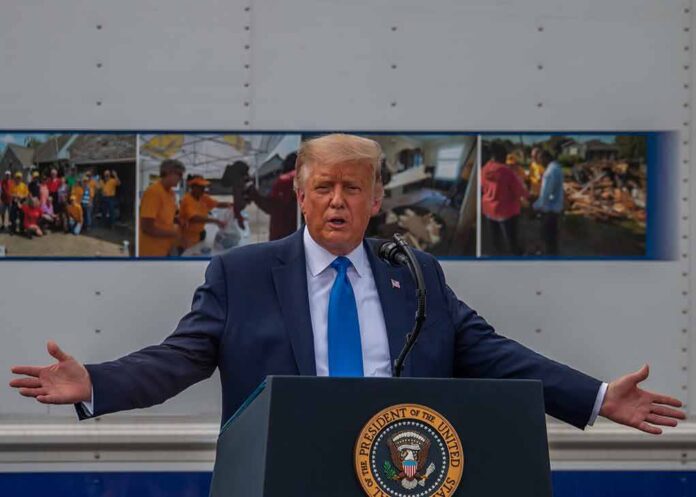
President Trump told CNBC he spoke with Nvidia’s directors and persuaded them to bring Huang back. Trump said, “I made the deal,” framing the outcome as a direct result of his outreach. CNBC also reported that board members acted after assurances from Trump on the legal questions, underscoring the weight of presidential influence on a private company’s leadership call. The rapid reversal followed earlier board resistance to Huang’s return.
Security And Governance Questions Driving Backlash
Reuters reported that corporate governance experts questioned the board’s independence because it reversed course before finishing investigations into Huang’s conduct. Bipartisan lawmakers echoed those concerns, saying reinstatement did not settle national security risks or issues about chip controls. Some Republicans and Democrats warned that the board may have put economic gains over accountability and process by acting while key questions remained open. Critics called for fuller answers and possible congressional review.
Supporters point to government assurances that Huang broke no national security laws, which Nvidia’s statement cited, and to market stability needs. Skeptics counter that legal clearance is not the same as a complete vetting of security risks, especially for a company at the center of the chip supply chain. They argue that when the White House leans on a board, it can blur lines between public power and private duty. That tension fuels trust gaps across the political spectrum.
What This Signals About Government Power Over Business
This case fits a broader trend where Washington directly shapes outcomes at firms judged “too strategic to fail.” Axios reported that Trump has gone further than past presidents by weighing in on decisions usually left to boards, like hiring and firing top executives. Past crises saw strong federal roles at automakers and insurers, but those usually came with formal programs. Today’s model often uses informal pressure, which can be faster yet less transparent for citizens and investors.
House Democrats are demanding answers about President Trump’s role in Nvidia CEO Jensen Huang’s reinstatement amid reported national security concerns. Trump says pardoning Huang is “always an option.” Read the latest: https://t.co/DOT0EfBhOX pic.twitter.com/Bn6gCRgVE5
— 2paragraphs (@2paragraphs) November 25, 2026
The stakes go beyond one leader or one company. Nvidia’s chips power artificial intelligence, cloud computing, and defense tools. That makes clarity on export rules, supply chains, and corporate controls a national concern, not only a market one. When the presidency steps into the boardroom, many Americans on the left and right see proof that elite deals can outweigh rules. Others see a government finally acting to protect vital industries. Both views reflect worry that the system serves insiders first.
What To Watch Next
Congress may seek briefings or hearings to examine unresolved questions on security, chip flows, and board oversight. Nvidia’s directors could release more detail on their process and any guardrails added to reassure investors and policymakers. The White House may cite this as a model for steering critical sectors during tense times. Markets will watch whether the decision stabilizes Nvidia’s leadership and execution, or whether new disclosures reignite debate about governance and national security.
Sources:
cbsnews.com, sec.gov, cnbc.com, live.euronext.com, yahoo.com