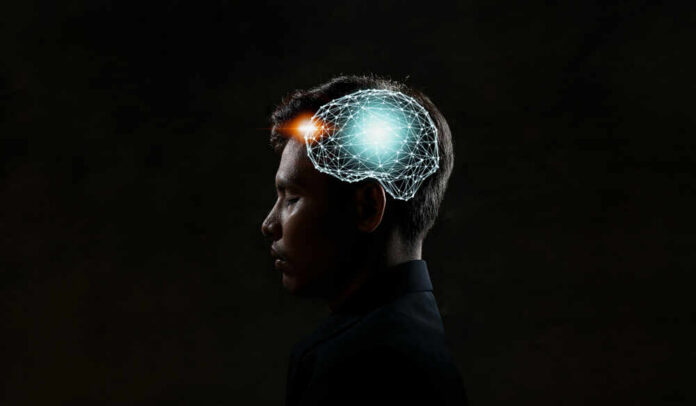
Severe strokes trigger a paradoxical brain “rejuvenation” in undamaged regions that signals poor long-term recovery, challenging assumptions about neural healing and demanding smarter rehab approaches for American families.
Story Highlights
- USC study reveals severe strokes age damaged brain hemispheres faster while making the opposite side appear structurally younger via AI analysis of 500+ survivors.
- This “rejuvenation” in the frontoparietal network correlates with persistent motor deficits beyond six months, not improvement.
- ENIGMA global consortium data underscores brain plasticity’s compensatory role, urging personalized therapies amid 800,000 annual U.S. strokes.
- Emerging treatments like brain implants and neuroprotective drugs offer hope, but causal links remain uncertain without longitudinal studies.
Breakthrough Findings from USC Study
Researchers at USC’s Stevens Neuroimaging and Informatics Institute analyzed MRI scans from over 500 stroke survivors across 34 sites in eight countries. Severe strokes accelerate aging in the damaged hemisphere. The undamaged contralateral hemisphere shows a younger structure, especially in the frontoparietal network for motor planning. AI-trained deep learning models detected this asymmetry. The ENIGMA consortium pooled data for robust analysis, published in The Lancet Digital Health in March 2026.
Paradox of Rejuvenation and Motor Deficits
Hosung Kim, co-senior author and USC Keck School associate professor, noted larger strokes make the opposite side appear younger. Arthur W. Toga, Stevens INI director, highlighted AI’s detection of subtle patterns. This reorganization links to severe motor impairments lasting over six months. Unlike typical recovery studies, younger contralateral structure predicts poor outcomes. Ischemic strokes disrupt blood flow, causing inflammation and chronic deficits affecting millions worldwide.
Historical Context and Research Evolution
Stroke research shifted from acute thrombolysis to chronic neuroplasticity since the 1990s. ENIGMA, started in 2009, aggregates global neuroimaging for disorders like stroke. Prior work set healthy brain aging norms, enabling stroke deviations. Earlier precedents showed cortical remapping but not quantified contralateral rejuvenation. Ongoing ENIGMA Stroke Recovery Group facilitates data-sharing to improve outcomes for 800,000 yearly U.S. strokes and families burdened by caregiving.
Stroke triggers a hidden brain change that looks like rejuvenation
After a stroke, the brain may do something surprisingly hopeful—it can “refresh” parts of itself. Researchers analyzing brain scans from over 500 stroke survivors found that while the damaged side of the brain…
— The Something Guy 🇿🇦 (@thesomethingguy) March 29, 2026
Emerging Therapies and Expert Insights
Recent advances include Northwestern’s January 2026 nanomaterial crossing the blood-brain barrier post-ischemia. UW Medicine’s implant restores fine motor skills in trials. Phase III loberamisal trials, started within 48 hours post-stroke, show better recovery versus placebo. ENTF electromagnetic therapy reduced disability in January 2026 trials. Experts like Toga advocate personalized rehab; Kim suggests compensatory mechanisms. American Stroke Association’s February 2026 conference spotlighted these developments.
Implications for Patients and Policy
Short-term, findings guide frontoparietal rehab targeting to detect reorganization early. Long-term, brain age tracking enables custom protocols, cutting disability costs as stroke leads adult impairments. Socially, it promotes independence for survivors and caregivers. Politically, it bolsters funding for AI and neuroimaging without government overreach. Neurotech accelerates with implants, drugs, and nanomaterials, shifting uniform care to adaptive models influencing ALS research. Longitudinal validation needed to confirm causality.
Sources:
Severe strokes may ‘rejuvenate’ undamaged brain regions
Post-stroke injection protects the brain in preclinical study
UW Medicine stroke brain stimulation implant for fine motor recovery
Stimulating the brain with electromagnetic therapy after stroke may help reduce disability
UCLA discovers first stroke rehabilitation drug to repair brain
Started within 48 hours of stroke, neuroprotective medication helped brain cells recovery