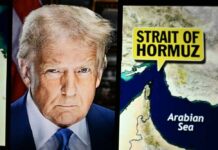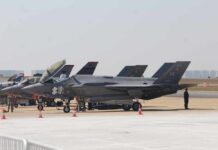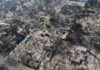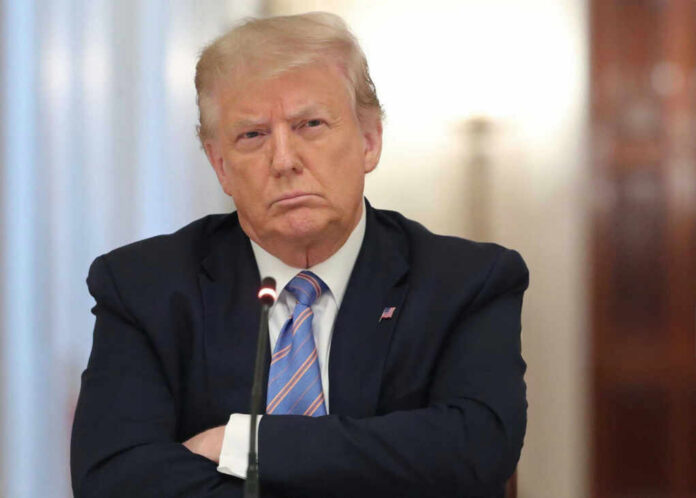
President Trump’s stark warning that “a whole civilization will die tonight” if Iran misses his deadline exposes the total collapse of diplomatic channels, thrusting America into a high-stakes confrontation with a regime that rejects all talks.
Story Snapshot
- Iran severs all diplomatic and back-channel communications with the U.S. as of April 7, 2026, citing betrayal and demanding full American retreat.
- Trump issues apocalyptic ultimatum: Iran’s power plants and bridges face destruction by midnight if no deal reopens the Strait of Hormuz by 8 p.m. ET.
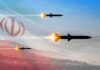
- Ongoing U.S. and Israeli strikes escalate, killing civilians, while Iran mobilizes youth to defend infrastructure with human chains.
- Failed mediation by Pakistan, Saudi Arabia, Qatar, and Oman underscores Iran’s hardline stance amid military conflict since February 28.
Timeline of Escalation
Conflict erupted on February 28, 2026, when U.S. forces struck Iran, including an attack on Minar killing over 170 children according to Iranian reports. By March 17, Iran denied secret channels with Washington. On March 24, the Foreign Affairs Spokesperson rejected all direct and indirect talks, citing two U.S. attacks during prior nuclear negotiations as diplomatic betrayal. Mediation attempts by Pakistan, Saudi Arabia, Qatar, and Oman failed completely. Today, April 7, Iran cut all ties entirely.
Trump’s Ultimatum and Iran’s Defiance
President Trump warned Tuesday that without a deal by 8 p.m. ET to reopen the Strait of Hormuz, U.S. military power would decimate every bridge and power plant in Iran within four hours, starting at midnight. He described this as ending 47 years of Iranian extortion and corruption, expressing hope for regime change under smarter leadership. Iran rejected a U.S. ceasefire proposal and countered with its own terms, which Trump called a significant but insufficient step. Iranian citizens prioritize lives over global oil concerns.
Stakeholders and Power Dynamics
Iran’s government demands American retreat as the sole precondition for engagement, viewing U.S. diplomacy as bad faith after attacks during talks. U.S. Presidential Envoy Steve Witkoff contacted Iranian Foreign Minister Abbas Araghchi in March, who reportedly messaged about ending conflict, yet official rejection followed. Trump maintains the U.S. negotiates in good faith but prepares total infrastructure demolition. Mediating nations hold no sway, leaving no buffers against miscalculation. This breakdown frustrates Americans on both sides weary of endless foreign entanglements.
Escalating U.S. and Israeli strikes hit Iranian railways, bridges, and Kharg Island oil hub, killing at least 18 civilians Tuesday per Iranian officials. Iran urges youth to form human chains around power plants. Markets brace for oil volatility without communication lines.
Broader Implications for America
The diplomatic void heightens risks of unintended war expansion, threatening regional stability and global energy prices that hit American families hardest. Long-term, rebuilding trust demands starting from zero, forcing allies to pick sides. Conservatives see Trump’s resolve defending U.S. interests against a terror-sponsoring regime; liberals decry escalation widening divides. Yet both share anger at elite mismanagement turning American strength into prolonged conflict, eroding the founding principle of avoiding foreign wars that drain treasure and lives.
Sources:
Iran rejects claims of secret diplomatic channels with Washington