Texas conservatives are being told “Sharia cities” are popping up in North Texas—yet the public record shows far more political heat than verified proof.
Story Snapshot
- Texas Rep. Brent Money launched a “Sharia Free Texas” caucus after the GOP primary spotlighted fears tied to a proposed Muslim-oriented development known as EPIC City.
- Developers connected to EPIC City have denied any plan to impose religious law, while critics argue the project could create a de facto enclave.
- Texas already has a statute aimed at preventing courts from enforcing foreign or religious law that conflicts with state or federal constitutional protections.
What the “Sharia enclave” claim is actually based on
Texas Republicans have zeroed in on EPIC City, a proposed North Texas residential development described as a Muslim-focused community concept with homes and community institutions. The political flashpoint intensified after Rep. Brent Money announced the “Sharia Free Texas” caucus on March 6, 2026, framing the issue as a cultural and legal fight. The research provided does not confirm operational “Muslim-only enclaves,” nor any verified proximity to police headquarters.
Gov. Greg Abbott amplified the debate publicly, stating that “Sharia law is not allowed” in Texas and opposing “Sharia cities.” Supporters hear that and assume a real, active parallel legal system is spreading. But the available reporting and policy analysis in the provided research points mainly to a proposed development and a political messaging campaign—rather than documented Sharia courts, patrols, or legally enforceable religious governance inside Texas.
What Texas law already says about religious or foreign law
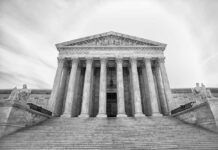
Texas is not starting from zero. The state adopted a 2017 measure commonly referenced in “American Laws for American Courts” debates, aimed at blocking courts from enforcing foreign law or religious law when it would violate constitutional rights or public policy. Texas Policy Research argues the practical question is less about writing new prohibitions and more about enforcement—because courts are already bound by the U.S. Constitution and the Texas Constitution.
That legal backdrop matters for conservatives who care about equal protection and due process, not just cultural slogans. If a private contract, arbitration outcome, or family dispute tried to apply rules that undermine constitutional protections, courts have tools to reject it. The research provided also notes discussion in legal circles about arbitration limits and constitutional safeguards, reinforcing that the courtroom is not a blank slate for any religious code.
EPIC City and the gap between rhetoric and documented facts
KERA’s reporting describes the dispute as a political and community flashpoint, with Muslim residents and advocates describing Sharia primarily as personal religious practice rather than a substitute for civil government. Meanwhile, Republican officials and campaigns have linked the issue to immigration and broader cultural anxieties. That argument may mobilize primary voters, but it does not itself prove the strongest viral claims—such as “enclaves operating next to police HQs”—which remain unverified in the sources provided.
Politico’s reporting places the Texas fight in a larger election-year strategy, where “Sharia law” messaging becomes a potent shorthand for border frustration, loss of cultural cohesion, and distrust of institutions. That rings familiar to voters exhausted by years of elite-driven globalism and ideological pressure campaigns. Still, the conservative case is strongest when it stays anchored to verifiable facts—because exaggerated claims make it easier for opponents to dismiss legitimate constitutional concerns as mere smear politics.
What conservatives should watch next: constitutional lines and local governance
The biggest policy question isn’t whether Texas politicians can pass another headline-friendly “ban,” but whether future measures target actual conduct or drift into viewpoint-based restrictions that invite First Amendment challenges. The research provided notes prior controversies where opposition to mosques ran into constitutional limits. Conservatives who value limited government should demand clear definitions, transparent enforcement, and equal application—so the state is policing unlawful acts, not policing lawful religious identity.
EPIC City’s status in the provided research appears stalled or under scrutiny rather than a proven, operating “compound.” That means the near-term battleground is likely local permitting, public messaging, and any 2027 legislative proposals tied to the caucus’s agenda. Voters can insist on two standards at once: no parallel legal systems that undermine constitutional rights—and no government overreach that punishes peaceful worship or private association when no illegal governance is shown.
Limited data in the provided research addresses the “next to police HQs” element of the viral framing. Until a source documents location, jurisdiction, and specific governance mechanisms, readers should treat that particular claim as unsubstantiated and focus on the documented facts: a proposed development, a new caucus, existing Texas law, and the political strategy surrounding the issue.
Sources:
Sharia Law in Texas: A problem of law or enforcement?
Texas Republicans announce ‘Sharia Free Texas’ caucus targeting state’s Muslims
HHRG-119-JU10-20260210-SD004.pdf
Republicans go all in on Sharia law attacks ahead of Texas primary
Texas Sharia Cities, Sharia Marriages, Sharia Patrols