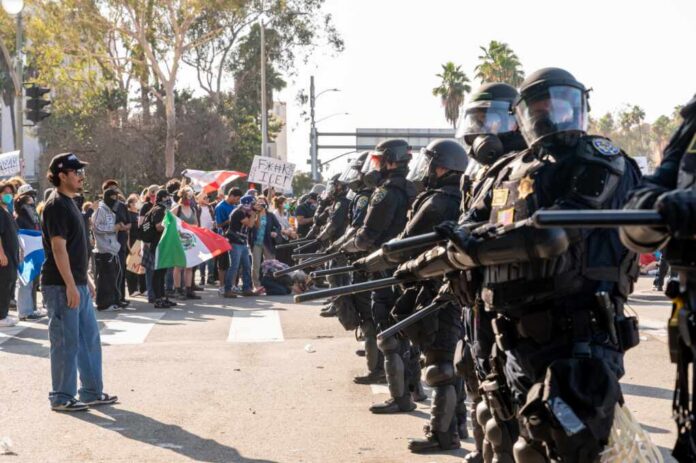
The Iranian regime’s brutal massacre of over 4,000 peaceful protesters has ignited a worldwide movement demanding the overthrow of the Islamic Republic, with massive demonstrations erupting in major cities across the globe as the diaspora refuses to let tyranny silence the voices of freedom.
Story Snapshot
- Over 4,000 protesters killed in Iran’s deadliest crackdown since 1979, described as “Iran’s Babi Yar” by historians
- Massive global solidarity rallies in over a dozen major cities demand regime change, with 350,000 demonstrators each in Los Angeles and Toronto
- Economic collapse triggered nationwide protests across all 31 Iranian provinces after June 2025 conflict with Israel devastated the economy
- President Trump promised aid to Iranian protesters while regime threatens retaliation against U.S. intervention
- Exiled Crown Prince Reza Pahlavi emerges as symbolic opposition leader unifying diaspora demands for Islamic Republic’s overthrow
Iran’s Deadliest Crackdown Since 1979 Revolution
Supreme Leader Ayatollah Ali Khamenei authorized security forces to use live ammunition against protesters on January 3, 2026, triggering the deadliest government massacre in modern Iranian history. The crackdown killed over 4,000 demonstrators according to U.S.-based Human Rights Activists News Agency, with hospitals overwhelmed by gunshot victims. The Islamic Revolutionary Guard Corps and Basij militia forces opened fire on crowds that swelled to five million people nationwide on January 9. The regime imposed an internet blackout to hide the carnage, but the scale of brutality leaked through diplomatic channels, shocking the international community and galvanizing global opposition.
Global protests call for Iran regime change in major cities worldwide after bloody crackdown https://t.co/WqD769s5kc #FoxNews
— PatrickHenry911 (@PatrickHenry911) February 15, 2026
Economic Freefall Sparks Revolutionary Uprising
Protests erupted on December 28, 2025, in Tehran’s Grand Bazaar after Iran’s economy collapsed following a 12-day conflict with Israel in June 2025. The rial plummeted, prices soared, and the Central Bank head resigned as demonstrations spread to over 100 locations by January 2. What began as economic grievances rapidly transformed into revolutionary demands for regime change, with protesters chanting “Death to Khamenei” across all 31 provinces. By January 16, protests had occurred in 675 locations across 210 cities, making this the largest and most geographically widespread uprising since the 1979 Islamic Revolution that established the current regime.
Trump Administration Signals Support for Regime Change
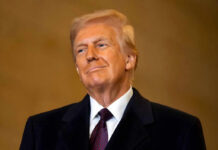
President Donald Trump escalated pressure on Tehran through multiple channels, threatening intervention with the phrase “locked and loaded” on Truth Social on January 2. On January 13, Trump publicly promised Iranian protesters that “help is on the way,” while his administration briefed military options and clashed with Iranian representatives at the UN Security Council. Iran responded on January 14 with threats of retaliation if the U.S. or Israel intervened militarily. The Trump administration’s aggressive posture reflects a stark departure from previous U.S. policy, aligning with conservatives who view the Islamic Republic as a destabilizing force that threatens American interests and regional allies, particularly Israel.
Global Diaspora Mobilizes for Regime Overthrow
Iranian expatriates organized massive solidarity demonstrations in New York, Los Angeles, London, Seoul, Toronto, Tokyo, Paris, Vienna, Berlin, and Strasbourg, explicitly calling for the Islamic Republic’s overthrow. A coordinated “global day of action” on February 14, 2026, drew 350,000 protesters in Los Angeles, 350,000 in Toronto, and 250,000 in Munich. Exiled Crown Prince Reza Pahlavi emerged as a unifying figure after his January 8 call for nationwide protests drew 1.5 million demonstrators to Tehran alone. Hackers sympathetic to the opposition aired pro-Pahlavi footage on state television on January 20, urging security forces to refuse orders to shoot civilians, demonstrating cracks in regime control.
The unprecedented scale and sustained momentum of both domestic and diaspora protests represent the most serious threat to the Islamic Republic since its founding. This movement reflects the Iranian people’s fundamental rejection of theocratic tyranny and their yearning for self-determination—values American conservatives champion as universal rights. The regime’s willingness to slaughter thousands to maintain power exposes the brutal nature of authoritarian Islamist governance that rejects individual liberty and limited government principles.
https://www.youtube.com/watch?v=DMSan_cTDhU
Sources:
2026 Iranian Protests – Britannica
A Timeline of How the Protests in Iran Unfolded and Grew – WTOP
2025-2026 Iranian Protests – Wikipedia
2026 Iranian Diaspora Protests – Wikipedia
JINSA Iran Protests Update – Jewish Institute for National Security of America
History of Protests in Iran Timeline – Brendon Beebe
Iran Update January 5, 2026 – Institute for the Study of War
Why the Latest Iran Protests Started in the Tehran Bazaar – Stimson Center