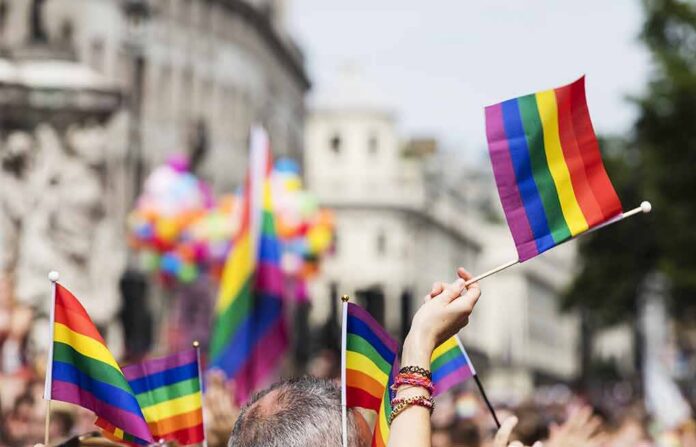
As Berliners mourn a van attack that turned their Pride festival into a crime scene, police have now killed the suspected Islamist attacker during a tense confrontation in a city garden.
Story Snapshot
- Police say a 21-year-old man drove a van into Berlin’s Pride crowd, killing one and injuring dozens, then was shot dead after a citywide manhunt.
- Officials are treating the attack as suspected Islamist terror, deepening fears about public safety at large, identity-focused events.
- Berlin’s Pride festival, one of Europe’s largest LGBTQ+ gatherings, was shut down as grief, anger, and solidarity spread through the city.
- The case feeds wider worries, shared by many on both left and right, that authorities cannot keep people safe from extremist violence.
How The Berlin Pride Attack Unfolded
On Saturday night, Berlin’s Christopher Street Day Pride march turned tragic when a white van sped into crowds near Tiergarten park, close to the Brandenburg Gate. One woman was killed and at least 16 to 29 people were injured, several critically, according to different emergency service tallies. Witnesses described a scene of panic, with music cut off and festival organizers ordering people to leave as ambulances and firefighters rushed in. Police quickly sealed off the area, treated it as a major crime scene, and canceled remaining Pride events.
Investigators soon linked the crash to a suspected deliberate attack. German media and officials said the driver then attacked people with a bladed weapon after leaving the van, adding to the number of wounded. Authorities identified the suspect only as “Abdul B.” under German privacy rules, describing him as a 21-year-old German citizen of Lebanese background known for past crimes and ties to “Islamist circles” in Berlin. The federal interior minister said early evidence pointed to an Islamist attack, and terrorism investigators joined the case.
The Manhunt And Deadly Police Confrontation
After the attack, Berlin police launched a citywide manhunt, warning the public that the suspect might be armed and dangerous and urging people to avoid direct contact. Officers searched parks, train stations, and border crossings while the damaged van remained at the scene for forensic work. On Sunday, police located the suspect at an allotment garden complex in the Spandau district, a suburban area west of central Berlin. When special police units tried to arrest him, authorities say he ran toward them holding a bladed weapon, forcing officers to open fire.
Firefighters and medics tried to resuscitate the suspect on site, but he died at the garden. German and international outlets reported his full name as Abdul Ballout or Abdul Bilout, though officials still used only his initial in formal notices. Prosecutors later said he had tried in the past to join the Islamic State group, reinforcing the working theory of an extremist motive. So far, investigators believe he acted alone, but they are still checking whether anyone helped plan or support the attack. Police have not yet released the name of the woman who was killed.
Berlin’s Shock And What The Attack Symbolizes
People in Berlin’s lesbian, gay, bisexual, transgender, and queer (LGBTQ) community describe the attack as more than a crime; they see it as an assault on the city’s identity as open, diverse, and tolerant. Christopher Street Day is one of Europe’s biggest Pride celebrations, drawing tens of thousands into the streets, so many residents feel the attack struck at the heart of public life and free expression. Reuters reporting captured emotions of “grief, anger and solidarity” as locals gathered, laid flowers, and held moments of silence near the scene.
This response fits a larger pattern seen after attacks at identity-focused events. People process them both as public-safety failures and as symbolic attacks on minority inclusion and civil openness. Terrorism research often notes that extremists choose crowded, visible gatherings to send a message and spread fear beyond the direct victims. At the same time, crowds quickly reclaim these spaces with vigils and marches. That is already happening in Berlin, where many vow not to let violence silence Pride or push the LGBTQ community back into the shadows.
Global Extremism And Shared Fears About Government Failure
The Berlin attack lands in a world where many Americans, both conservative and liberal, feel their own governments are falling short on basic safety and order. For conservatives, Islamist terror tied to loose borders or weak policing often looks like another sign that elites care more about global agendas than about protecting everyday citizens. For liberals, violence against LGBTQ gatherings feeds fears about rising hate and a widening gap between protected “insiders” and exposed “outsiders.” Both sides see regular people caught in the middle.
German authorities moved quickly, hunted down the suspect, and stopped him from hurting more people. Yet many will still ask hard questions that echo debates in the United States: How did someone already known to police for crime and extremist ties keep the freedom to carry out such an attack? Were warning signs ignored or downplayed? When officials frame events mainly as “lone wolf” incidents, it can sound to the public like a way to avoid deeper blame, whether for failed surveillance, weak border controls, or slow responses to radicalization.
Why Americans Should Pay Attention
For readers in the United States watching from afar, Berlin’s tragedy is not just foreign news. It highlights problems that feel very close to home: repeated extremist violence, crowded public events turned into soft targets, and a sense that government systems react after the fact instead of preventing harm. In a time when President Trump and Republicans say they are tough on terror, and Democrats say they defend minority rights, both sides see examples overseas that either support or challenge their claims.
What unites many Americans, though, is growing skepticism that any political party truly fixes the root issues. Berlin’s Pride attack shows how fast ordinary people can be harmed when radical ideologies meet gaps in security and social trust. It also shows how citizens, not elites, are the first to grieve, help victims, and reclaim public spaces. Watching Berlin, Americans may see a warning: if governments, whether in Europe or here at home, keep failing to protect both safety and freedom, more people will lose faith in the promise that hard work and courage can still build a better life.
Sources:
washingtontimes.com, en.wikipedia.org, washingtonblade.com, youtube.com, euronews.com, kq2.com, apnews.com, abc7news.com, tmz.com