

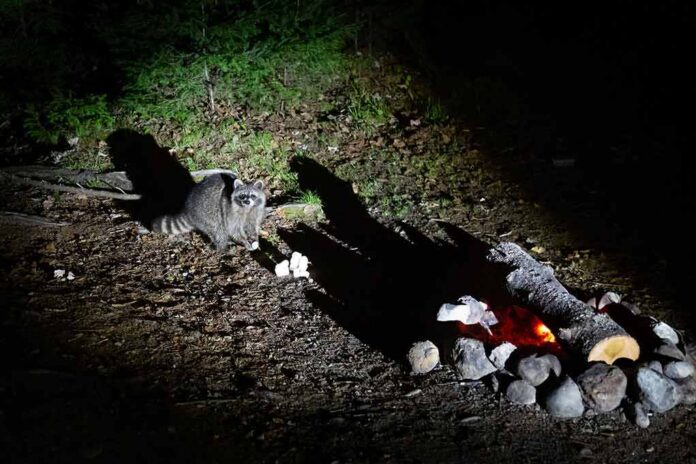
Public health isn’t just lab reports and statistics; it’s the discipline of acting early when the evidence is sufficient to prevent a bad outcome. That is exactly what Los Angeles County did after confirming a second rabid raccoon in Westlake Village: issue targeted warnings, manage potential exposures, and reinforce the simple behaviors that keep a rare disease from becoming a crisis.
The Short Version
- Los Angeles County confirmed a second rabies-positive raccoon in the Westlake Village area, near the first recent case.
- Officials reported the animal appeared sick and aggressive, and they identified two possible human exposures now receiving post-exposure care.
- The county’s guidance is practical and specific: avoid wildlife, report unusual behavior to animal control, and keep pets’ rabies vaccinations up to date.
- Rabies is extremely rare in people in the U.S. because systems like vaccination, testing, and post-exposure prophylaxis interrupt transmission at moments like this.
What Happened, Where, and Why It Matters
The Los Angeles County Department of Public Health reported a second rabid raccoon in the Westlake Village area and tied its warning to observed behavior—this animal appeared sick and aggressive—and to geography: it was discovered in a backyard near where the first raccoon case was identified. The department also disclosed a defined potential-exposure group: two people at a worksite who are receiving recommended rabies post-exposure prophylaxis (PEP). Those are the essential elements of sound risk communication—what was found, why it raised concern, and who might be affected—paired with concrete action steps for the public: keep distance from wildlife, call animal control for sick or unusually behaving animals, and maintain current rabies vaccination for pets.
Although strain typing for the second raccoon was still pending at the time of the advisory, the first animal’s virus had already been characterized as a bat-associated rabies variant by state testing; that detail strengthens the rationale for heightened vigilance in the same local corridor, even as epidemiological linkage between the two raccoons has not been established. One brief caveat belongs here and no further: pending strain analysis limits what can be said about transmission pathways for the second case.
How Rabies Risk Is Managed in Practice
Rabies is nearly always fatal once symptoms begin, but it is also one of the most preventable zoonoses when public health intervenes before the virus reaches the nervous system. That is why notification and PEP decisions are made on exposure risk, not on perfect laboratory completeness. In the United States, roughly 4,000 animal rabies cases are detected in a typical year, the vast majority in wildlife; around 100,000 people receive PEP, and fewer than 10 die annually—numbers that reflect prevention systems working as intended rather than evidence of widespread human disease.
PEP is a defined protocol—wound cleansing, human rabies immune globulin when indicated, and a course of vaccine—that virtually assures prevention after a qualifying exposure if initiated promptly. Public health officials therefore err on the side of caution when a plausible bite, scratch, or saliva-to-mucosa contact is identified. That is why Los Angeles County’s disclosure that two workers “may have been exposed” and are receiving recommended prophylaxis is not hedging; it is the standard of care when exposure cannot be confidently excluded in real time.
Why Two Nearby Raccoons Do Not Equal an “Outbreak”
The human brain is built to see patterns, and two rabid raccoons in close proximity can read as escalation. The more accurate frame is surveillance catching what it is supposed to catch, followed by prudent intervention. California historically reports few rabid raccoons in any given year compared to regions where raccoon rabies is enzootic; bats and skunks dominate the state’s wildlife rabies detections. That backdrop explains the emphasis Los Angeles County placed on the first case’s bat-variant finding and on pet vaccination in a community that does encounter rabid bats annually.
Geographic proximity supports vigilance—keep pets’ vaccines current and avoid contact with sick wildlife—but it doesn’t, on its own, define transmission. That determination hinges on variant typing and, where feasible, genetic comparison. The county’s communication made the appropriate distinction: the second raccoon was confirmed rabid; its strain result was pending at the time of the advisory.
Mechanism: From Backyard Encounter to Laboratory Confirmation
Most wildlife rabies investigations begin the same way: an animal behaves abnormally—daytime activity in a nocturnal species, ataxia, unusual aggression or lethargy—and someone calls animal control. If the animal is captured and dies or is humanely euthanized, brain tissue is submitted for direct fluorescent antibody testing, the gold standard for confirmation, with additional variant characterization performed by state or reference laboratories. Those laboratory steps are rapid by research standards but still not instantaneous; public health therefore acts on credible suspicion for exposure management and then updates the record as results arrive. Los Angeles County followed that playbook here, issuing a clear warning, naming the plausible exposures, and advising the measures that close transmission circuits in households and neighborhoods.
Meanwhile, veterinary prevention remains the community’s best buffer. A vaccinated dog or cat bitten by a rabid animal can usually be managed with booster vaccination and observation; an unvaccinated pet, by contrast, can trigger quarantine, euthanasia recommendations, and intense household anxiety that persists long after the news cycle moves on. Pet vaccination is not bureaucratic box-checking—it is the barrier that keeps wildlife rabies a wildlife problem.
What Residents Should Do Now, and Why It Works
The county’s advice is both simple and effective. First, do not handle or feed wildlife; a raccoon or bat that seems friendly or sluggish is more concerning, not less. Second, call animal control if you see an animal that appears sick, injured, or behaving unusually—professionals are trained and equipped for capture. Third, keep rabies vaccinations current for dogs and, where required or recommended, for cats and other pets that could encounter wildlife. These steps interrupt the most common pathways of exposure: curious pets, well-meaning residents who attempt to rescue wildlife, and inadvertent contact with bats. The system works when households do their part and public health does its part; that is how the United States keeps human rabies deaths extremely low despite a steady background of rabies in wildlife.
If you think you or a family member might have been bitten or scratched by a wild mammal—or had contact between saliva and an open wound or mucous membranes—seek medical care promptly. Early evaluation determines whether PEP is warranted, and when it is, starting promptly is what converts a lethal infection into a nonevent.
Los Angeles County reports its first rabid raccoon in more than 50 years
A raccoon found in Westlake Village tested positive for rabies. Four people and a dog may have been exposed and are receiving appropriate care and monitoring, officials say pic.twitter.com/vuwOlW8pvZ
— Wonders of Nature (@wonderofnatur) October 18, 2026
The Bottom Line
Two rabid raccoons in one Los Angeles County community do not mean a community-wide outbreak, and they do not call for panic. They call for discipline: avoid contact with wildlife, report sick animals, vaccinate pets, and follow public health guidance if exposure is possible. That is the proven formula that keeps a terrifying disease rare and containable. Los Angeles County’s response—clear communication, defined exposure management, and practical prevention advice—fits that formula precisely.
Sources:
nypost.com, mynewsla.com, lacounty.gov, publichealth.lacounty.gov, dailybreeze.com