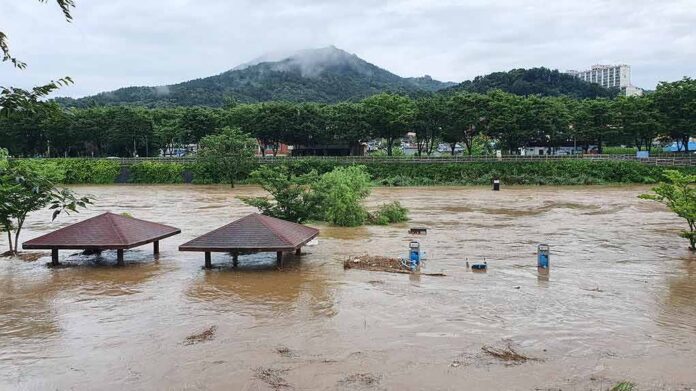
Japan’s top weather alert lit up Chiba Prefecture near Tokyo as sudden, pounding rain unleashed floods, landslides, and blackouts.
Story Snapshot
- Japan’s weather agency issued a Level 5 Emergency Warning for heavy rain in parts of Chiba.
- Authorities reported at least one death as floods and slides hit eastern Japan.
- Power outages and transport problems rippled across communities near Tokyo.
- The Level 5 alert signals a significant likelihood of catastrophe, urging immediate action.
Highest Alert Issued As Torrential Rains Hit Chiba
Japan’s Meteorological Agency issued a Level 5 Emergency Warning for heavy rain in parts of Chiba Prefecture on Thursday evening. Officials said the intense downpours created life-threatening conditions, including flash floods and landslides. The Level 5 alert is the highest on Japan’s scale and tells people to prioritize saving their lives. Local broadcasters and wire services described streets under water, mudflows in hilly areas, and warnings that more rain could fall overnight.
Rescue teams moved through flooded neighborhoods as authorities reported casualties. One person died and another was found with no signs of life after the cloudburst struck Chiba in the afternoon. Emergency crews urged residents to evacuate early and avoid riverbanks and low-lying areas. Officials also warned drivers to avoid underpasses, which can fill quickly during intense rain. The early casualty reports underscored how fast a sudden storm can turn deadly in built-up areas.
Landslides, Power Cuts, And Transport Disruptions Near Tokyo
Local outlets reported landslides and power outages across parts of eastern Japan, with the brunt felt in Chiba. Photos and video showed flooded roads, stalled cars, and muddy debris flows cutting off side streets. Some rail services slowed or paused while crews checked tracks and slopes. Utilities raced to restore electricity where flooded substations or falling trees took lines down. The first-time use of the top rain warning for the region added urgency to evacuations and road closures.
Officials said the highest-level warning reflected extreme risk, not only damage already done. Japan’s Emergency Warning system aims to push people to act before the worst hits. The weather agency defines these alerts as signals of a significant likelihood of catastrophe from natural hazards of extraordinary size. The message is simple and strict: move to safer ground, stay off the roads, and check on neighbors who may need help. That design helps reduce deaths when minutes matter.
Why The Alert Mattered And What Comes Next
Emergency managers in Japan often face a race against the clock. Dense cities, steep hillsides, and many rivers make flash flooding and landslides a recurring threat. Heavy rain in summer, often tied to tropical systems, can dump huge amounts of water in hours. The Level 5 alert in Chiba showed how the system shifts from watch to immediate action when thresholds are met. That approach can feel sharp, but it saves lives when storms rapidly intensify.
Record-breaking heavy rain has caused severe flooding across parts of Chiba, Japan. Roads and residential areas were inundated, vehicles stranded and transport disrupted as torrential rain battered eastern Japan.#Japan #Flooding #Chiba pic.twitter.com/NwweyR1lCO
— Ferox Times (@feroxtimes) August 13, 2026
Officials will update damage counts as waters recede and teams reach blocked areas. Early figures tend to change as more reports come in. For families near Tokyo, the lesson is clear: heed evacuation calls and know the nearest shelter or high ground. For readers in the United States, the takeaway is broader. Early warnings work only if people trust them and act fast. Systems that cut through noise and politics to protect life deserve attention and support.
Sources:
insiderpaper.com, english.news.cn, english.adnkronos.com, japantimes.co.jp