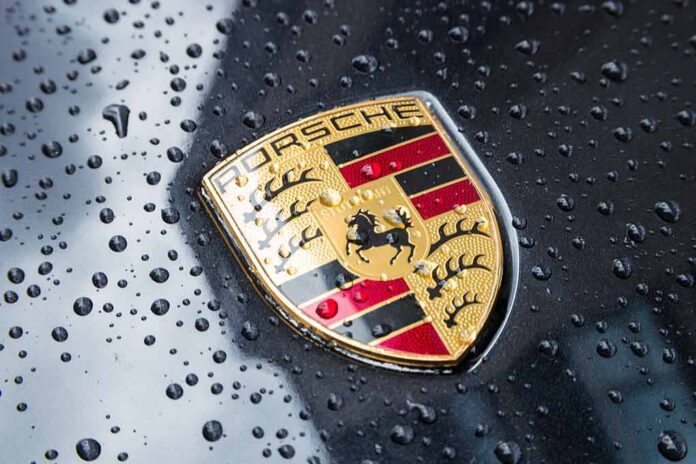
A respected German business magazine says Porsche aims to end Taycan production by 2030, and Porsche is not denying it outright.
Story Highlights
- WirtschaftsWoche reports Porsche plans to stop building the Taycan by 2030, citing company sources.
- Porsche pointed to a July comment about “no short-term” discontinuation but offered no direct denial.
- The report says labor representatives agreed in principle, though nothing is in writing yet.
- Earlier pauses and slowdowns tied to weak demand set the stage for a phaseout narrative.
What the new report says and what Porsche did not say
Reuters reported that German outlet WirtschaftsWoche, citing company sources, says Porsche plans to discontinue Taycan production by 2030. Reuters asked Porsche to comment. The company declined to address the 2030 claim and instead referred to a July remark that there were no plans to end the Taycan “in the short term”. That is not a confirmation or a denial. It leaves open what happens later this decade.
WirtschaftsWoche’s report, echoed by multiple outlets, also says Porsche dropped an earlier idea to shift Taycan production from Stuttgart to Leipzig. This adds weight to the sense that the Taycan is losing internal priority. Still, we have not seen a public filing, press release, or dated board decision. The lack of a direct, on-the-record confirmation means the 2030 date is not official policy yet, based on available records.
The labor angle and the “in principle” caveat
Coverage says Porsche’s works council agreed in principle with management to phase out the Taycan by 2030, but that understanding is not yet written down. That matters. In Germany, works councils shape how decisions roll out on the shop floor. An unwritten understanding suggests a direction of travel rather than a final order. It also shows employees are being looped in early, which hints at planning, not rumor.
Readers on the right and left will see a familiar pattern. A big decision appears to move behind closed doors, with selective leaks and careful language in public. People worry that powerful insiders decide first and explain later. The cautious company line, paired with “in principle” labor talk, feeds that distrust. It also shows how large firms manage expectations while keeping options open.
Weak demand backdrop and why it matters now
Earlier this year, Porsche slowed or paused Taycan production, citing parts issues and weaker demand in key markets. Reuters reported a suspension at the Stuttgart-Zuffenhausen plant, and other outlets described output cuts and demand alignment to avoid excess stock. Those moves do not prove a 2030 shutdown. But they make a phaseout story sound plausible to many readers who watch auto trends.
Automakers often change course when buyers hesitate. Premium electric cars have faced higher prices, charging gaps, and rising rates, which cool interest. When demand softens, companies scale back shifts, adjust plants, or streamline models. That can be temporary. It can also be the first step toward ending a model if sales do not rebound. The Taycan seems caught in that bind today.
Why this resonates beyond Porsche
This report lands in a larger debate about energy, costs, and choice. Many conservatives blame past policy pushes for higher energy costs and a rush to electric cars before the grid and charging were ready. Many liberals fear that companies will cut cleaner options when profits get tight. Both sides agree on one point: large institutions make big calls, and regular people bear the costs.
For drivers, the risk is clear. If Porsche ends Taycan production by 2030, owners could see thinner model updates and shifting resale values over time. For workers, plant assignments and shift patterns may change. For investors, the move would signal Porsche is pacing its electric transition more slowly, which echoes prior hints that targets were being softened. Watch for an official statement, a written works council agreement, or investor slides that lock in dates.
Sources:
oilprice.com, reuters.com, mercedesblog.com