

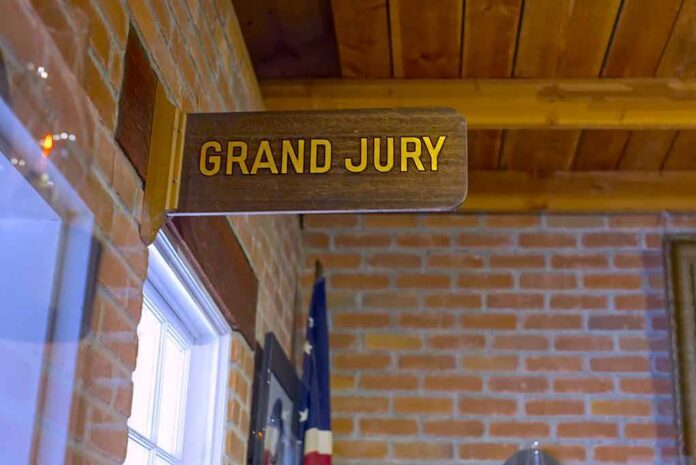
After two years of conflicting accounts and campus secrecy, a county prosecutor is sending the Cornell fraternity assault case to a grand jury review.
Story Snapshot
- The Tompkins County District Attorney reopened the case and plans a grand jury review.
- A civil suit alleges seven Chi Phi members drugged and raped a student in 2024.
- The filing cites a group message that appears to invite sex “upstairs” that night.
- Cornell says it expelled some students but disputes parts of the lawsuit’s claims.
What Triggered The Reopened Criminal Probe
The Tompkins County District Attorney said on September 28, 2026, that his office reopened the 2024 case after a former student filed a civil lawsuit. He said he had “already begun that process” and would confer with the plaintiff and her lawyers before presenting the matter to a grand jury. He explained that new materials, including messages in the complaint, were not previously reviewed by his office, which had earlier declined charges based on the record at that time.
The civil suit names Cornell University, the Chi Phi fraternity, related entities, a local bar, and seven students. It claims the plaintiff was drugged with ketamine and raped for hours inside the fraternity house in October 2024. The complaint includes a screenshot of a group message that appears to invite people to join sex “upstairs.” Reporters noted the prosecutor had not seen that chat before the suit. Defense attorneys dispute the claims and deny any criminal conduct.
The Evidence Gaps And Conflicting Accounts
The public record shows major tensions in the timeline. Early statements linked to the plaintiff reportedly described the conduct as consensual, which prosecutors cited during the first review. The lawsuit later alleges drugging and gang rape over several hours, citing new detail and the chat screenshot. There are no public toxicology results or full chat logs at this time. Those gaps raise stakes for corroboration and for how a grand jury will weigh credibility and proof beyond reasonable doubt.
Defense lawyers state the alleged assault “did not happen,” say their clients never touched the plaintiff, and claim to hold documents and scientific evidence that support their denials. One attorney acknowledged the messages were inappropriate but said they do not prove assault. These statements set up a direct fight over evidence. Without independent records like medical files, device metadata, or full message threads, each side will press its best narrative to the grand jury.
How Cornell’s Actions Fit Into The Picture
Cornell says its Office of Civil Rights and Office of Student Conduct and Community Standards investigated under school policy and issued sanctions. Reports say the university expelled at least two students and suspended or restricted others. The Chi Phi chapter was barred from campus. The university also pushed back on a claim that “essay” assignments were used as the sole consequence, calling that description false. Privacy rules limit what Cornell can release about specific cases.
(Content warning: se*ual violence)
"The Ithaca Police Department learned of these allegations recently through the media," the department said Monday, following a lawsuit from a former Cornell student alleging she was coerced into taking drugs and r*ped by seven students at a…
— Change.org (@Change) September 29, 2026
Supporters of the plaintiff say campus discipline shows serious misconduct. Skeptics point out that university standards differ from criminal law. A school can punish based on a preponderance of evidence, while a prosecutor must prove crimes beyond a reasonable doubt. That gap often frustrates both sides. Survivors see light penalties and secrecy. Accused students see career-ending labels without a jury. The grand jury step now tests whether this case meets the higher criminal bar.
Why This Case Taps A Deeper Public Frustration
Families expect schools, police, and prosecutors to act fast and fairly. Here, the first review closed with no charges, then new material arrived two years later. Memories fade, and digital evidence can vanish. Many Americans see that as a system that protects itself first. Others see due process working slowly to avoid error. Either way, trust erodes when institutions speak in limited terms while life-changing claims and denials collide in public view.
What To Watch Next
Watch for subpoenas that seek the full message threads and device data. Look for any preserved medical records or toxicology that address the drugging claim. Expect efforts to gather surveillance, rideshare logs, and bar records to pin down the timeline. Listen for grand jury movement and whether charges are filed. If the criminal case advances, sworn testimony will test the conflicting accounts under oath and put the strongest available evidence on the record.
Sources:
youtube.com, abcnews.com, npr.org, tompkinscountyny.gov, nytimes.com, cornellsun.com, wamc.org