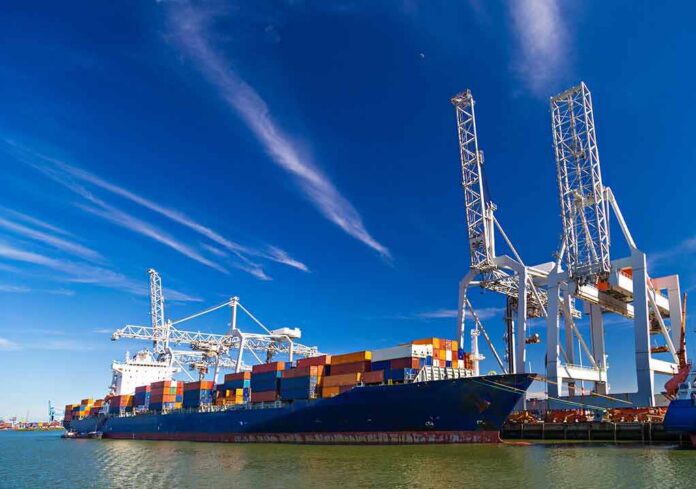
India confirmed four citizens were killed when cruise missiles hit the MV Golden Leo near Odesa, putting civilian sailors squarely in the crosshairs of the Black Sea war.
Story Snapshot
- India said four nationals died and one was critically hurt in the attack.
- Ukraine reported three cruise missiles struck the Guinea-Bissau-flagged cargo ship.
- The ship was leaving Odesa with grain when it was hit, officials said.
- The strike adds to a rising pattern of attacks on merchant ships in 2026.
What India Confirmed and Why It Matters
India’s Ministry of External Affairs said four Indian nationals died and one more is in critical condition after the MV Golden Leo was hit while departing the port of Odesa on July 19, 2026. New Delhi condemned the strike and said its embassy is helping families and the injured. Indian outlets and statements identified the vessel as Guinea-Bissau-flagged and carrying grain when it came under attack. The confirmation fixes the human toll for Indian families and brings global attention to crew safety.
Ukrainian and international reports said three cruise missiles struck the Golden Leo as it left Odesa along a maritime corridor used to move food exports. Ukraine’s authorities described the ship as a civilian cargo carrier with foreign crew members on board. They reported a death toll that rose as search and rescue ended. Wire reporting cited the use of air-launched cruise missiles and noted the flag, cargo, and owner’s Turkish ties, underscoring the ship’s international profile.
How This Fits a Wider Black Sea Pattern
Attacks on merchant ships have surged in 2025 and 2026 as the war spilled into sea lanes. Trade groups and open-source trackers have warned that both sides can hit vessels and ports, and that crews from many countries now face risk on routine runs. Reports this year counted multiple strikes on foreign-flagged ships near Ukrainian ports, with deaths among Egyptian, Turkish, Tanzanian, Syrian, and Indian sailors. That record shows the Golden Leo case is part of a broader, worsening trend.
Casualty numbers often change in the first day after a strike as rescuers search damaged hulls and account for missing crew. In several recent incidents, initial counts of a few dead rose to higher confirmed totals within a day. The Golden Leo followed that pattern, with early figures shifting as authorities completed evacuations and recovery. That lag does not reduce the core facts, but it explains why families and governments sometimes get painful updates over time.
Risks to Food Routes and Global Shipping
Hitting a grain carrier leaving a Ukrainian port threatens more than one crew. It shakes trust in the food corridor that moves corn and wheat to global markets. Insurance costs rise when strikes occur near port exits, and shipowners rethink calls at Ukrainian ports. When rates jump and ships divert, food prices can climb, which hurts low-income buyers first. Maritime security groups have warned that both declared exclusion zones and drone warfare add to these risks for civilian trade.
4 Indian crew members killed & another critically injured after attack on cargo ship MV Golden Leo departing Ukraine's Odesa port, India says; Ukraine says Russian missile struck the vessel.
Picture of the vessel that came under attack pic.twitter.com/i4qpRGuMx8
— Lovish 🇮🇳 (@lovish_pandey06) July 20, 2026
Governments now face hard choices. If they do nothing, crews sail into danger with little protection. If they escort ships or expand sanctions on maritime actors, they risk a wider fight. India’s response highlights a shared concern for many nations that supply crews to global shipping. Sailors often come from countries far from the battlefield, yet they pay the price when rules meant to shield civilians at sea break down. Clear red lines and credible enforcement are overdue.
Legal and Accountability Questions
International law protects civilian ships and crews. Legal scholars note that targeting a civilian vessel violates the core rules of armed conflict, even in war. The growing list of attacks on merchant ships in the Black Sea raises questions about accountability for those who plan, launch, or enable such strikes. Without consequences, the risk to crews will spread beyond this war zone as others copy these tactics and test weak enforcement at sea.
Sources:
kyivpost.com, thehindu.com, youtube.com, euromaidanpress.com, carnegieendowment.org