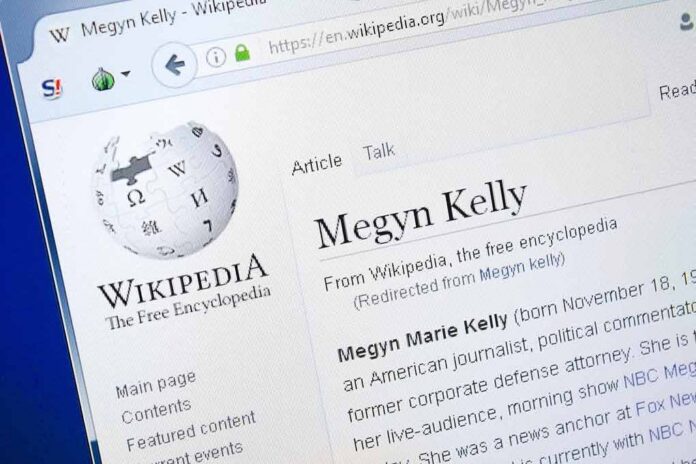
Wikipedia deliberately took parts of its system offline to patch two critical PHP flaws that could let attackers run code on its servers, causing visible outages for readers and contributors.
Story Snapshot
- Wikimedia shut down supporting services to patch two critical PHP vulnerabilities, leading to outages.
- The flaws allowed unauthenticated remote code execution and carried high risk scores.
- The PHP project shipped emergency fixes and urged immediate updates.
- Officials warned unpatched sites to go offline until they could be secured.
Wikimedia Confirms Precautionary Shutdowns To Address PHP Flaws
Wikimedia said on October 21 that it was preparing for two critical PHP security vulnerabilities and warned that outages could occur while teams worked to patch systems. The foundation explained it had deliberately taken many supporting services offline until they could be safely updated. A Wikimedia incident page listed the affected components, including continuous integration runners for code review, all Cloud Virtual Private Server and Toolforge services, and all Wikibase Cloud instances. Public users saw interruptions while these systems were secured.
The Wikimedia incident record described the move as precautionary while patches were applied across the environment. The notice did not present evidence of a successful attack against Wikimedia, and it did not quantify the exact impact by region or project. It did, however, give a clear reason for the disruption: fixing serious upstream flaws in PHP that could be used to take over servers. That measured approach matches standard security practice when risk is both high and urgent.
What The PHP Vulnerabilities Did And Why Urgency Mattered
Security reports identified the two flaws, tracked as CVE-2026-109618 and CVE-2026-109619, as unauthenticated remote code execution bugs. That means an attacker could run code on a target system without logging in, a worst-case scenario for public websites. Coverage reported that both carried very high severity ratings under the Common Vulnerability Scoring System. The PHP team prepared emergency releases timed for October 21 to ship fixes and advised fast patching across supported versions.
Reporting outlined the updated PHP branches and fixes and urged organizations to update now to close the door on possible server takeover. The advice from industry outlets and experts was blunt: if you cannot patch immediately, pull public applications offline until they are safe. This guidance explains why some operators accepted short-term downtime. Keeping systems online while widely known remote code execution flaws are unpatched can expose user data, content integrity, and service control to criminal groups or hostile states.
Why Readers Saw Outages Across Tools Tied To Wikipedia
Wikimedia’s ecosystem relies on many services beyond the main reading sites. The technical notice listed several of those support layers, including code testing runners, community cloud tools, and hosted Wikibase instances that power external data projects. Taking those components down prevents attackers from pivoting through weaker links while core systems are updated. This defensive move can interrupt editing, bots, and research tools that many volunteers and institutions use every day.
Readers who saw errors or slow pages encountered the side effects of this security work. Wikimedia flagged that wikis could experience outages while teams applied and validated patches. The organization prioritized securing systems first, then bringing services back in a controlled order. That sequence lowers the chance of reinfection or hidden backdoors during the fix window. It also aligns with broader guidance during the PHP event, which urged short downtime rather than risky exposure.
Bigger Picture: Shared Infrastructure, Shared Risk, And Public Frustration
This incident shows a tough tradeoff that many public services face. Modern websites run on common building blocks, and when a core layer like PHP breaks, the shock hits schools, libraries, newsrooms, and civic tools at once. During this event, security advisories said many site owners should patch fast or temporarily disconnect to protect users. That choice can feel painful, but it protects the public from worse harm, like data theft or silent manipulation of trusted information sources.
JUST IN – Internet Archive down, Wikipedia hit by outages amid PHP issueshttps://t.co/GsJzFJquqs
— Insider Paper (@TheInsiderPaper) October 21, 2026
Americans across the political spectrum depend on places like Wikipedia to learn, fact-check, and debate. When a shared software flaw threatens those platforms, it exposes how fragile key services can be. People already worry that large institutions cut corners and fail basic duties. Transparent updates, clear timelines, and prompt restoration help rebuild trust. Wikimedia’s posts explained the cause, listed impacted systems, and tied outages to patching work, which helps users see progress and hold leaders accountable.
Sources:
insiderpaper.com, diff.wikimedia.org, wikitech.wikimedia.org, abc11.com, malwarebytes.com