

A historic island with royal ties hits the market for less than the price of a modest suburban home, but the reality behind this bargain reveals why government-managed lands often become forgotten relics of bureaucratic neglect.
Story Snapshot
- Ynys Gifftan, a 17.74-acre tidal island gifted by Queen Anne in the 1700s, listed for £350,000 in Wales
- Derelict farmhouse abandoned since the 1970s sits without mains electricity or reliable water supply
- Tidal access cuts off the island twice daily, requiring boat transport during high tide
- Property represents one of only 43 unbridged tidal islands in Britain accessible by foot
Royal Gift Becomes Restoration Challenge
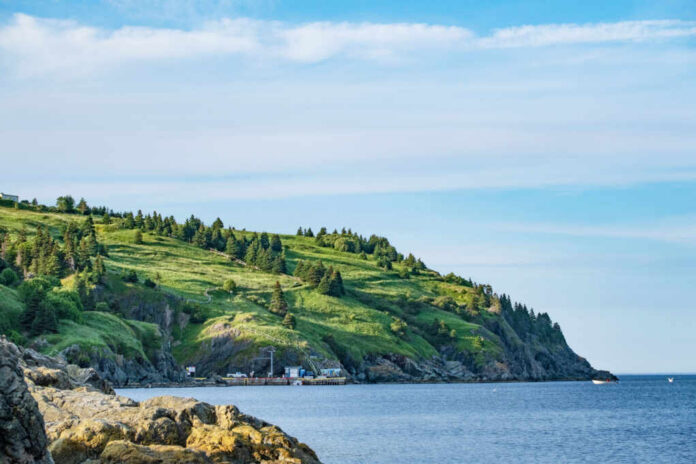
Ynys Gifftan earned its Welsh name meaning “gift island” when Queen Anne donated the property to Lord Harlech’s ancestors during the 1700s. The 17.74-acre tidal island sits in the Dwyryd estuary within Snowdonia National Park, featuring rocky grassland, permanent pasture reaching 38 meters elevation, and mature trees. Estate agent Carter Jonas listed the property through partner Hugh O’Donnell for £350,000, marketing it as a unique lifestyle project. The stone farmhouse, last occupied in the 1970s, requires complete renovation while an outbuilding offers potential conversion pending national park permissions.
Infrastructure Realities Expose Property Limitations
The island lacks mains electricity entirely, forcing future owners to develop off-grid power solutions. A water pipe installed during the 1980s serves the property, though its current functionality remains uncertain according to Carter Jonas. A septic tank handles waste management. Tidal access restricts entry to low tide periods when residents can walk to shore; high tide necessitates boat transport twice daily. These practical obstacles explain the bargain price—roughly half the average London home cost—despite the property’s scenic views of Royal St David’s Golf Club and proximity to Portmeirion, the filming location for the 1960s television series The Prisoner.
National Park Location Creates Regulatory Hurdles
Snowdonia National Park designation surrounding Ynys Gifftan introduces layers of bureaucratic oversight that could complicate development plans. National park authorities maintain influence over outbuilding conversions and land use changes, potentially delaying or restricting renovation efforts. The property previously supported grazing livestock but now reverts to natural state amid broader concerns about sheep overgrazing reducing native flora like heather and bilberry throughout Eryri. This ecological context positions the island within ongoing debates about biodiversity loss versus traditional agricultural practices, where government environmental policies increasingly dictate private land management decisions.
Market Appeal Targets Self-Sufficiency Seekers
Hugh O’Donnell describes Ynys Gifftan as presenting “a truly unique opportunity for an exciting lifestyle project or secluded haven.” The property attracts buyers seeking privacy and independence from modern infrastructure dependencies, though renovation costs will substantially exceed the purchase price. As one of 43 tidal islands in Britain accessible by foot during low tide, the site offers genuine rarity. The Harlech estate descendants selling the property appear motivated to divest underutilized land that demands specialized commitment. Local communities near Harlech, Porthmadog, and Talsarnau could benefit from increased tourism if the island develops into a destination property, though tidal limitations restrict practical use for most conventional purposes.
Sources:
Former royal island in Wales set to go on sale for £350,000 – GB News
Welsh island with house for sale in Dwyryd estuary, Snowdonia – The Independent
Ynys Gifftan private island royal family – The Times
Former royal island Wales set – AOL