
Police say a community member chased an armed 16-year-old into an Oregon elementary school and shot him, ending the attack before officers arrived.
Story Snapshot
- Police report a civilian pursued and killed the shooter inside Silver Rail Elementary.
- Three children and one teacher were killed; others were critically injured.
- Oregon’s governor said the intervention likely prevented more deaths.
- Officials have not released the civilian’s identity or training background.
What Police Say Happened Inside the School
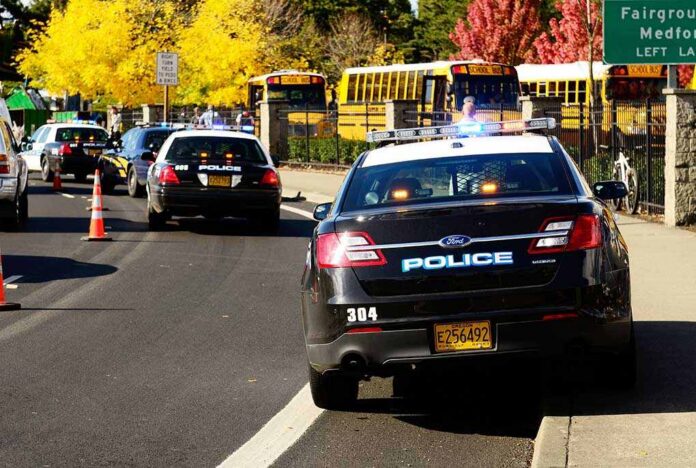
Bend Police Chief Mike Krantz said a community member saw a teenager with a long gun shoot through locked doors at Silver Rail Elementary in Bend. The chief said the 16-year-old entered the school and began firing. The community member followed him inside and engaged him. Police said the teen was shot before officers reached the scene. Officers arrived within minutes, but the suspect was already down when they made entry, according to police accounts.
Police and news reports said the attack left four people dead: three children and one teacher. Two more people were critically injured. The quick end to the assault did not erase the loss. It did halt further shots, which police and state leaders said may have saved lives. The Bureau of Alcohol, Tobacco, Firearms and Explosives began an urgent trace on the suspect’s firearm, according to national reporting that cited federal agents.
Officials Credit the Intervention With Limiting Harm
Oregon Governor Tina Kotek praised the bystander’s actions. She said the person “heroically intervened to stop further loss of life.” Her statement echoed police briefings that credited the intervention for ending the attack before officers completed their response. Reporters asked for more details about the weapon, round counts, and the exact timeline. Officials said those facts would come through the investigation process as evidence is reviewed.
Bend police have not named the community member. They have not said whether the person had formal training, a carry permit, or any law enforcement ties. Those details matter for judging how repeatable this outcome might be for other civilians. For now, the clear record is narrow: a civilian saw the shooter enter, followed him, exchanged gunfire, and stopped the attack before police arrived on scene, according to police and multiple outlets.
How This Fits the Larger Pattern of Active Attacks
The Federal Bureau of Investigation (FBI) defines an active shooter as someone killing or trying to kill people in a populated area. In recent years, a smaller share of these attacks have ended because a civilian intervened with a gun. Some researchers say armed citizens stop attacks more often than many think. Others caution that data vary by definitions and methods. The shared point is simple: civilian interventions happen and can end attacks, as Bend police report here.
Debates over policy often jump straight to claims about what “always” works. The Bend case does not settle that debate. It gives one clear example, backed by police, of a civilian ending an attack during the assault, not after. It also shows the limits. Four people were killed and more were hurt before the shooting stopped. The facts support both concerns: the cost of delayed protection and the risk that even fast action cannot undo harm already done.
Why This Resonates Across the Political Divide
Parents, teachers, and neighbors want safety now, not after a long briefing. People on the right argue that armed citizens can fill the gap in those first minutes. People on the left argue that schools should never face a teen with a long gun in the first place. Both sides share anger that families keep paying the price while leaders argue. This event will likely fuel both calls: faster on-site defense, and stronger steps to keep guns from would-be attackers.
The National Rifle Association (NRA) hails an armed bystander who has shot dead a teenage gunman at an Oregon elementary school, saying the intervention demonstrates the importance of an armed citizenry. pic.twitter.com/IjlqNl8xYi
— Al Arabiya English (@AlArabiya_Eng) October 16, 2026
Trust also hinges on transparency. Clear timelines, 911 audio, and camera footage help the public understand what worked and what failed. Police say more details will come as the investigation proceeds. That record can show whether the civilian had training, how close the shots were, and how fast the attack unfolded. Better facts can guide policy choices that protect kids and teachers while respecting rights and responsibilities in every community.
Sources:
insiderpaper.com, cnn.com, nytimes.com, opb.org, cbsnews.com, fbi.gov