One year after the massive Los Angeles wildfires, thousands of displaced residents are colliding with a broken housing system that is now pushing more people onto the streets.
Story Snapshot
- Los Angeles homelessness has risen again after two years of decline, even as officials tout major spending and programs.
- The 2025 wildfires destroyed or damaged thousands of homes and forced well over 150,000 people to flee, tightening an already severe housing crunch.
- Service leaders say some fire survivors have slid into cars, motels, and then homelessness as temporary help and savings ran out.
- Experts warn that disaster damage, rent hikes, subsidy cuts, and long delays in rebuilding are combining to erase recent progress against homelessness.
Wildfires Hit a Housing System Already in Crisis
The January 2025 Los Angeles County fires struck a region that was already short on homes for working families and the poor. Before the fires, housing advocates said the county had only a fraction of the affordable units needed for extremely low-income renters, while more than 75,000 people were already homeless. When the fires burned more than 40,000 acres and damaged or destroyed about 12,000 homes and other structures, they instantly removed thousands of places for people to live. Analysts warned at the time that this sudden loss would worsen crowding, drive up rents, and push more households over the edge.
The damage did not fall evenly. Urban Institute researchers reported that the fires forced more than 150,000 residents to evacuate and destroyed or damaged about 12,000 structures, many in neighborhoods where low-income renters already struggled. A county dashboard later estimated over 16,000 structures lost and more than 200,000 people ordered to leave their homes. For families with thin savings or no home insurance, even a “short” evacuation meant missed work, extra costs, and the risk of never returning. This is the kind of cascading stress that can turn a disaster into long-term housing loss.
Homelessness Rebounds After Brief Progress
Local leaders did manage some progress just before the fires. The Los Angeles Homeless Services Authority, known as LAHSA, reported that in 2024 nearly 30,000 people moved from streets into permanent housing and that temporary placements also rose. Those gains built hope that, with enough focus and money, homelessness could finally fall. But after the fires, service providers began to see new warning signs. LAHSA’s own chief said some people who had been housed were now moving into their vehicles because they could no longer afford even short-term rentals. That message matched what many Angelenos already felt: the system was fragile, and one big shock could break it.
By mid-2026, the official numbers showed that the shock had landed. LAHSA’s latest count found homelessness in the city of Los Angeles up 3.4 percent, to 45,194 people living outside or in shelters. Unsheltered homelessness in the city rose 7.9 percent, a jump the agency called statistically significant. Countywide, homelessness grew 1.2 percent to 73,040 people. In central areas including Skid Row, the unsheltered increase was even steeper, at 21 percent. These numbers snapped a two-year streak of declines and signaled that something had gone very wrong in the larger system.
How Fire Damage and Policy Choices Intersect
Reporters and analysts link the post-fire spike to several pressures at once, not just the flames themselves. Immediately after the disaster, experts predicted higher rents and more competition for units, especially because many displaced households had higher incomes and could outbid locals for scarce apartments. At the same time, LAHSA officials now say state cuts to a key rental subsidy program, Time Limited Subsidies, sharply reduced permanent housing placements and fed the rise in homelessness. The agency also points to broader affordability strain, including rising costs that federal and state leaders have not eased.
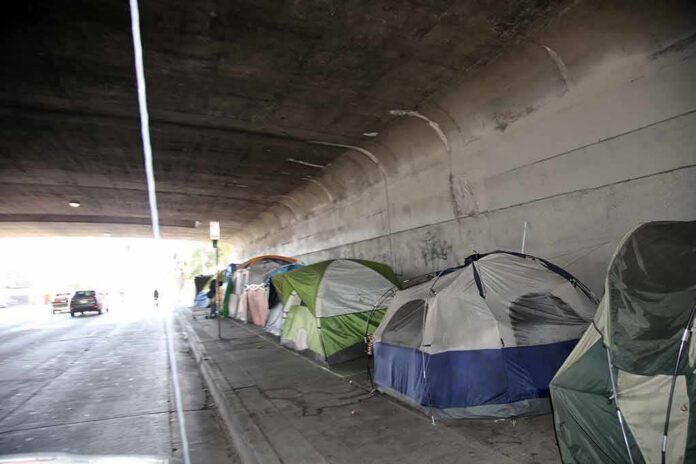
On the streets and in shelters, some of that mix shows up in personal stories. In Long Beach’s 2025 homeless count, 167 surveyed people said they had been displaced by the January wildfires in Los Angeles County. Another 390 people in that city were newly homeless due to higher housing costs and financial hardship. KFF Health News reported that some fire survivors first moved into cars or motels and then fell into homelessness as emergency aid ran out and rents climbed. These accounts do not prove that the fires are the main cause of the countywide increase, but they do show that disaster displacement is one clear route into homelessness for some households.
A Delayed Wave, Not a One-Time Shock
One key pattern in disaster research is timing. Right after a wildfire, most displaced families are counted as evacuated, not homeless. But as months pass, the line blurs. After the 2017 Tubbs Fire in Northern California, local providers saw a noticeable spike in homelessness about a year and a half later. By the following year, more than a third of homeless survey respondents in that region said their previous housing had been affected by the fire, including 12 percent whose homes had burned or been destroyed. The Los Angeles fires now appear to be following a similar delayed path.
That lag matters for how the public understands the crisis. Officials often talk about “resilience” and rebuilding, and media outlets highlight individual success stories as homes are repaired and neighborhoods reopen. But many residents from the hardest-hit areas, like Eaton and Palisades, remain displaced more than a year later, with about 70 percent still out of their homes. When rebuilding takes this long, and when help with rent or mortgages falls short, it becomes easier to see why more people might end up in vehicles, doubled up with relatives, or eventually in encampments.
Shared Anger at a System That Keeps Failing
For many Americans, both conservative and liberal, this story fits a wider pattern: government leaders promise action, spend billions, and still leave ordinary people exposed. Angelenos watched the wildfires erase years of work to house the homeless and then saw the response system buckle under the strain. They now hear that rental subsidies were cut, that data on disaster displacement is incomplete, and that the official count may miss people who are couch surfing or in short-term rentals. To people who already mistrust the so-called elites and agencies, this looks less like bad luck and more like another example of institutions protecting themselves while regular families absorb the hit.
Sources:
reason.com, pbs.org, yahoo.com, latimes.com, laist.com, calmatters.org, abc7.com, salon.com, urban.org, foxla.com, givingcompass.org, latino.ucla.edu, census.gov