After years of unchecked illegal immigration and border chaos, President Trump’s new administration is rapidly dismantling progressive-era policies, triggering fierce debate over constitutional rights and national sovereignty.
Story Snapshot
- Trump’s 2025 administration enacts sweeping immigration reforms, reversing Biden-era policies.
- New laws expand deportation, border militarization, and detention, with significant constitutional implications.
- Critics warn of threats to due process and humanitarian protections amid mass enforcement actions.
- Supporters see decisive action to restore order, national security, and conservative values.
Trump’s 2025 Immigration Overhaul: A Conservative Response to Border Chaos
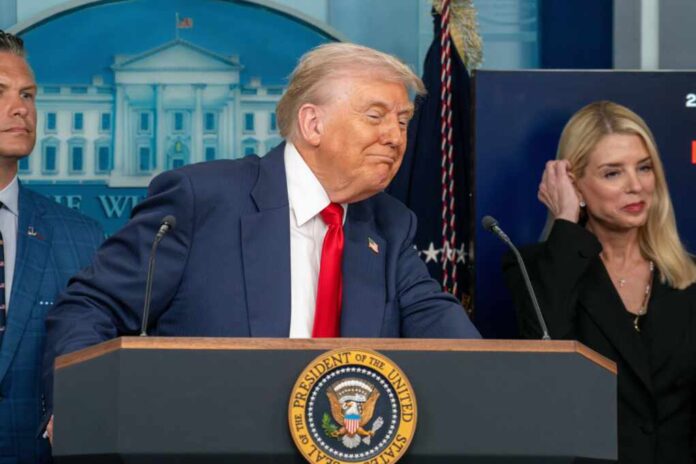
President Trump entered his second term with a clear mandate: secure the southern border, halt illegal immigration, and restore American sovereignty. Within weeks, the administration issued executive orders and pushed through legislation targeting what many conservatives saw as the failures of the previous administration’s lax immigration stance. Trump’s actions included closing the southern border, expanding expedited removal of noncitizens, and pressuring states and localities to cooperate with federal immigration enforcement. These steps, cheered by supporters, mark a sharp pivot away from the Biden administration’s approach and signal a renewed focus on constitutional order and national security.
Congress passed the “One Big Beautiful Bill Act” (OBBBA) in July 2025, immediately injecting $170 billion into immigration enforcement and detention measures. This law quadruples the detention budget for Immigration and Customs Enforcement (ICE) and provides billions for enforcement raids, border operations, and prosecution of immigration-related offenses. Provisions in the bill include a dramatic expansion of family detention, increased funding for private detention facilities, and new financial penalties for illegal crossings and asylum applications. For conservatives, the bill represents a long-awaited pushback against years of government overreach and border neglect, aiming to restore the rule of law and protect American families.
Expanded Executive Power and Constitutional Tension
The Trump administration’s aggressive use of executive authority tests the limits of presidential power in immigration matters. Orders now allow for “expedited removal” of noncitizens anywhere in the country, not just near the border, bypassing immigration judges and due process protections. State and local police have been deputized to enforce federal immigration law, with sanctuary jurisdictions losing federal funding for non-cooperation. The use of armed forces to “seal the borders” and detain migrants at facilities like Guantánamo Bay signals an unprecedented federal response. Supporters argue these measures are necessary to combat what they view as an invasion and restore constitutional order, while critics warn of erosion of due process and fundamental rights.
Legal challenges have already emerged, with opponents arguing that expanded expedited removal and mass detentions threaten due process and violate both international and U.S. law. The administration responds by citing its constitutional duty to protect the nation against invasion and enforce immigration laws faithfully. Conservatives highlight the failures of the past administration, pointing to rising crime, social unrest, and fiscal burdens associated with unchecked migration, and argue that these new measures are restoring the proper balance between national security and individual liberty.
Consequences for Families, Communities, and Conservative Values
The impact of Trump’s immigration overhaul is being felt across American communities. The OBBBA’s restrictions on benefits remove health and nutrition aid from millions of immigrant families, including children, and eliminate access to key relief programs for Dreamers, Ukrainians, and other vulnerable groups. The law’s expansion of E-Verify and new penalties for unauthorized work target workplace fraud but have sparked debate about government overreach and the balance between security and personal freedom. For many conservatives, these moves correct long-standing abuses and prioritize American workers and families, but critics argue that humanitarian protections are being sacrificed for political gain.
Looking Ahead: Restoring Order or Undermining Rights?
President Trump’s 2025 immigration agenda marks a dramatic reversal of progressive-era policies and a bold assertion of federal power. The administration’s supporters believe these measures are necessary to defend the Constitution, protect the nation’s borders, and restore American values. Detractors, however, warn of lasting damage to due process, community stability, and America’s reputation as a beacon of liberty. As legal and legislative battles continue, the nation remains deeply divided over what it means to secure the homeland while upholding the principles that define American democracy.
President Trump is doing exactly what he said he would do: securing the Southern border and removing people here illegally from our country. #NCPOL pic.twitter.com/fcNCY9wxqh
— Matt Mercer (@mattmercer) November 24, 2025
The road ahead is uncertain, but one reality is clear: the debate over immigration, constitutional rights, and national identity is far from over. Americans who value traditional principles will be watching closely to ensure that the restoration of order does not come at the cost of liberty and justice for all.
Sources:
The Trump Administration’s 2025 Changes to Immigration Law
The Anti-Immigrant Policies in Trump’s Final “Big Beautiful Bill” Explained
Trump on Immigration | American Civil Liberties Union