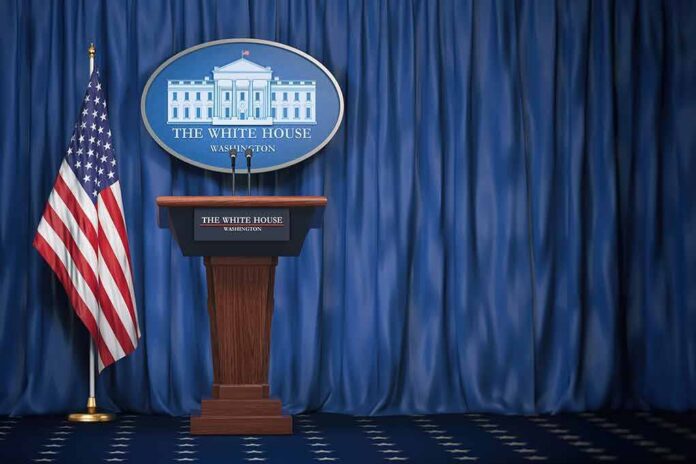
A federal judge ordered the White House to restore CNN, MS NOW, and Politico press access, calling the ban likely unconstitutional and a due process problem.
Story Highlights
- A judge temporarily blocked the White House ban and restored access for three outlets.
- The lawsuit argues First and Fifth Amendment violations, including viewpoint bias and no process.
- The White House cited national security and alleged false reporting in a court filing.
- Longstanding D.C. Circuit precedent requires clear standards and due process for press passes.
What The Court Did And Why It Matters
A federal judge granted a temporary order forcing the White House to let CNN, MS NOW, and Politico back into press areas while the case proceeds. The judge indicated the ban likely clashed with prior rulings that require due process for revoking hard passes. This early ruling does not decide the whole case. It does signal the court sees real legal problems in how the government pulled credentials and handled notice and appeal.
The decision turns on two core rights claims. The outlets say the ban punished their reporting and targeted their viewpoint, which the First Amendment bars in open press spaces. They also say the White House took away a recognized liberty interest without fair rules or a chance to respond, which the Fifth Amendment forbids. The court’s order restores access for now so the legal fight can play out with less ongoing harm.
The White House Rationale And The Legal Tension
The White House defended its move by telling the court that President Trump determined the outlets breached standards. The filing accused them of spreading verifiable falsehoods on national security and publishing sensitive or classified material. The administration framed access as a privilege, not a right. That claim meets a wall of precedent saying that once the government opens press facilities, it must use clear standards and fair process to deny or revoke access.
This dispute follows decades of friction between presidents and the press. The D.C. Circuit’s 1977 Sherrill v. Knight decision recognized a liberty interest in White House press passes and required due process to deny them. Judges also disfavor viewpoint discrimination in spaces open to working reporters. That history makes whole-outlet bans rare and risky. The judge’s order suggests the government’s process and standards will face strict review.
What Each Side Argues About Harm And Public Interest
The outlets argue the ban chills reporting, limits the public’s view into government, and blocks their ability to question top officials in person. They say the First Amendment protects tough coverage, even when the White House dislikes it. The administration says it must protect national security and stop dangerous misinformation. The court balanced those claims and found that restoring access during the case best protects constitutional interests and avoids ongoing damage.
A federal judge literally ordered Trump’s administration to restore CNN, MS NOW and Politico’s access to the White House, finding the ban likely violated their constitutional due-process rights. And they were STILL being blocked this morning.
But sure, tell me again how Trump…
— Testicular (@Testicular007) September 24, 2026
For readers across the spectrum, the stakes are bigger than one president or three outlets. Many Americans fear a government that shields itself from scrutiny and sets rules on the fly. Others fear major media can get stories wrong without consequence. The law aims to hold both to standards. Government needs clear, neutral rules and real process. Press organizations need access and accountability. This ruling tells both sides the guardrails still matter.
What Comes Next In Court And For The Press
The case now moves toward fuller briefing and likely a hearing on a longer injunction. The court will weigh the record, the strength of the national security claims, and whether the standards were clear and fairly applied. Expect close attention to written policies, notice given, and any chance to appeal. However it ends, the outcome will shape how far any White House can go when it clashes with critical coverage in the years ahead.
Sources:
bbc.com, nytimes.com, abcnews.com, ifj.org, reuters.com, thedailyrecord.com