Colorado investigators ruled two Grand Junction officers were justified when they shot a stabbing suspect fleeing a Dairy Queen parking lot, even as body camera video raised new questions about tactics and public safety.
Story Highlights
- Investigators said deadly force by two Grand Junction officers was legally justified.
- Police say Patti Wilson stabbed a customer before trying to flee in a car.
- Body camera video shows officers firing at a moving vehicle; one report says it was not aimed at them.
- The case spotlights how video can both clarify and complicate split-second use-of-force decisions.
Investigators’ Finding: Deadly Force Ruled Justified
Mesa County’s review concluded Officers Zachary Diaz and Tim Long acted within the law when they fired on Patti Wilson in a Dairy Queen lot on June 19, 2026. The district attorney cited Colorado’s standard, which allows deadly force when an officer reasonably believes someone faces imminent death or great harm and lesser force would not stop the threat. The decision means no criminal charges for the officers. The ruling followed a multi-agency critical incident inquiry and release of body camera footage.
Police identified Wilson, 31, as the person who stabbed a customer inside the restaurant before leaving and getting into a vehicle. Officers arrived as Wilson attempted to flee, and the shooting occurred as the car moved through the lot. The coroner reported Wilson died from two gunshot wounds, confirming the fatal outcome and setting the timeline that linked the stabbing, the attempted flight, and the shooting within minutes in a busy commercial area.
What the Videos Show, and What They Don’t
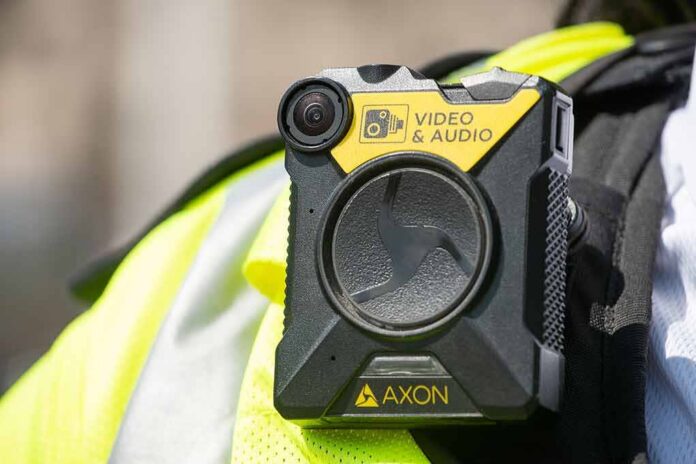
Grand Junction outlets reported the body camera footage appears to show Wilson’s car was not driving directly at officers when they opened fire. That detail fuels debate over the risk officers faced at that moment and whether other tactics were possible in that tight window of time. The same clips show officers shooting at a moving vehicle, a practice many departments warn can endanger bystanders if traffic is nearby or if rounds miss or over-penetrate.
The Colorado Times Recorder, citing bystander and body camera views, argued the vehicle seemed to be turning away and that at least one officer fired toward traffic on North Avenue. Those claims do not negate the stabbing or the danger a moving car can pose, but they question whether the threat met the legal threshold at the exact second shots were fired. The outlet’s concerns highlight how different camera angles can shape public interpretation of force decisions.
The Legal Question: The Threat at the Exact Moment
Use-of-force cases involving vehicles often hinge on split seconds. The key issue is whether an officer reasonably believed someone faced imminent deadly harm when the trigger was pulled. That standard focuses on the precise instant, not only the suspect’s earlier actions. A moving car can be a lethal weapon if it traps people or closes distance fast. But if officers are clear of its path, the legal view can shift, even after a violent crime like a stabbing.
Body-worn cameras can clarify sequences, but the research shows video also creates new disputes about angles, timing, and perception. Studies find cameras can reduce force and complaints, yet the evidence is mixed and context matters. In fast events, footage may not capture depth, speed, or what an officer saw off-frame. That is why investigators pair video with interviews, scene mapping, and forensics before reaching a conclusion like the one announced here.
Public Trust, Transparency, and Next Steps
Residents who worry about government power will see another case where officials cleared their own, even after shots were fired near traffic. Others will see officers stopping a known, violent threat after a stabbing. Both reactions track with a wider loss of trust in institutions. Clear policies on shooting at moving cars, faster release of full videos, and plain language summaries can help close the gap between legal rulings and public confidence.
🚨 EXCLUSIVE: Officers cleared after shooting transgender person who stabbed elderly customer at Grand Junction over a Cherry Coke
After stabbing an elderly customer and attempting to flee the Dairy Queen, Anthony Wilson, aka Patti, reversed, attempted to strike an officer with… https://t.co/XCbSuXKHR5 pic.twitter.com/ogU8T1q5Sr
— The Facts Dude 🤙🏽 (@Thefactsdude) November 17, 2026
Grand Junction police released body camera video and the district attorney published findings, which are important steps. The evidence confirms a stabbing, a rapid attempt to flee, and gunfire that killed Wilson. It also leaves open questions about tactical choices in a space with bystanders and traffic. Those are policy issues leaders can address now: training on vehicle threats, crossfire risks, and safer containment. Accountability grows when agencies show how lessons are turned into rules.
Sources:
thegatewaypundit.com, gjsentinel.com, kjct8.com, westernslopenow.com, bja.ojp.gov