

Deputies say a Miami man called to report a burglary, but they found his mother dead inside and arrested him for second-degree murder.
Story Snapshot
- Deputies found an elderly woman dead with head and facial trauma after a reported burglary call.
- The son was detained over inconsistencies and later allegedly admitted striking her with blunt objects.
- Investigators reported no signs of forced entry, undercutting the burglary claim.
- Prosecutors filed a second-degree murder charge; a trial has not yet occurred.
What Deputies Say They Found At The Home
Miami-Dade deputies responded to a reported home burglary near Miami Shores on November 12, 2026. Inside the residence, first responders found Josephine Louise Magloire with clear head and facial trauma. Blood was on and near her body. Broken glass with blood was also nearby. Emergency personnel pronounced her dead at the scene, confirming the injuries were fatal. These details come from reporting that quotes the arrest affidavit prepared by the Miami-Dade Sheriff’s Office.
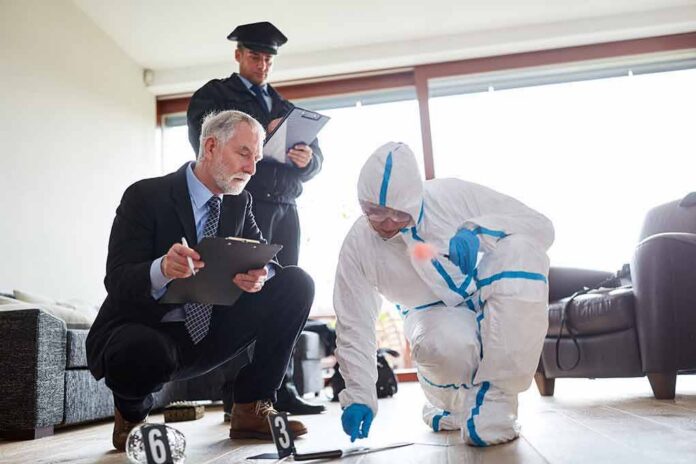
Deputies searched the home and said the physical scene did not match a break-in. Reports that cite the arrest file say investigators found no evidence of forced entry. That point matters because it directly challenges the original burglary story tied to the 911 call. In homicide work, forced entry signs, damaged locks, or pried windows often frame the early theory of a stranger crime. Here, officers reported none of that at the scene.
From Inconsistencies To An Arrest
Investigators flagged inconsistencies in the son’s account during their initial review. According to reporting that quotes the affidavit, deputies detained him and took him to the homicide bureau for an interview. During that interview, the man allegedly admitted he repeatedly struck his mother in the head with “various” blunt objects. The quoted language says those blows caused her death. These reported statements formed a key part of the probable cause for arrest.
State authorities then filed a second-degree murder charge. That charge signals prosecutors are treating the death as an intentional act without premeditation, at least at this stage. The filing moves the case from a death investigation into a formal criminal case with court oversight. Coverage says the arrest occurred on November 12 and that the defendant was booked and held, pending further proceedings. A conviction has not been reported, and no trial record is available yet.
What We Know And What Comes Next
The public record presented in news reports includes four central claims: visible blunt-force injuries, no forced entry, inconsistencies in the initial story, and an alleged confession. Those points, taken together, explain why deputies made an arrest and why prosecutors filed the charge. The available coverage does not include a motive. It also does not include an autopsy report or details on the specific blunt objects. Those are common gaps before discovery and court hearings begin.
The next steps usually include release of the medical examiner’s cause and manner of death, defense review of the interview and Miranda paperwork, and forensic testing results. Courts may later decide what the jury can hear about any statement to police. For now, the charge stands, and the defendant is presumed innocent unless and until proven guilty. That is how the system is supposed to work, even in hard, heart-wrenching cases like this one.
Why This Case Hits A Nerve Beyond One Family
Many readers feel that public safety has slipped while institutions often fail to be transparent. This case shows a need for basic competence: quick response, careful scene work, and clear records. When officers note the lack of forced entry and spot story gaps, that is standard police work doing what taxpayers expect. When prosecutors file a charge based on those facts, the courts then must test it. That chain of accountability builds trust one step at a time.
At the same time, families worry about rising violence close to home. Domestic killings remain a smaller share of all homicides, but they cause deep fear because they happen where people should feel safe. Cases that start with a false report, like a staged burglary, also raise concern about wasted police time and strained resources. Cities already feel stretched. Clear charging documents and timely court reviews help the public see that the system can still sort truth from lies.
How To Read Early Reports Without Losing The Plot
Early stories often rest on a short arrest file and a few scene details. That is normal in the first days after an arrest. The key facts here are firm enough to report: a death at home, visible trauma, no forced entry, reported inconsistencies, and a filed charge. Later, court filings may add motive, forensics, or a fuller timeline. Until then, the balance is simple: take the facts as stated, follow the case, and let the court process do its job.
Sources:
thegatewaypundit.com, local10.com, dailytruthfighter.com, newsbreak.com