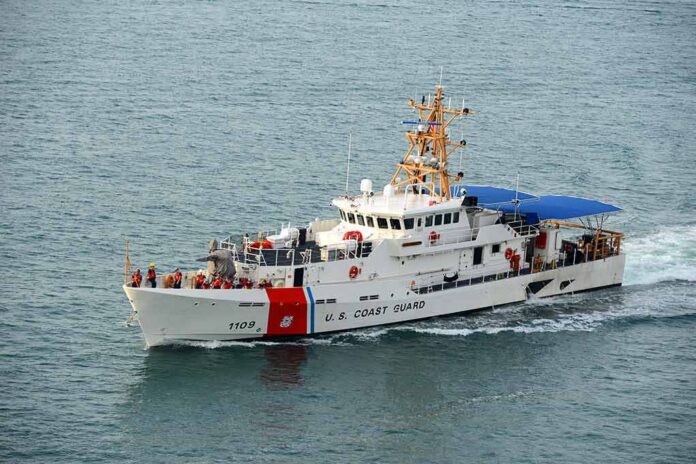
The U.S. Coast Guard says it stopped a Cuba-bound ship hiding fuel in ballast tanks, then handed it to Mexico for inspection that confirmed the cargo.
Story Highlights
- Coast Guard halted the vessel Grace on September 5 between Cuba and Mexico.
- Mexican Navy inspectors found large amounts of fuel in ballast tanks after escort.
- Officials linked the operation to “dark fleet” smuggling tactics and safety risks.
- The action followed a June seizure of another Cuba-bound fuel shipment.
What Officials Say Happened At Sea
U.S. Coast Guard crews boarded the cargo ship Grace on September 5 in the Caribbean Sea between Cuba and Mexico. Officials said the ship was headed to Cuba with fuel and using tactics tied to the so‑called “dark fleet.” They reported moving the ship to Progreso, Mexico, for further checks. The Coast Guard framed the stop as blocking an unsafe, unregulated fuel transfer, not routine trade. Reuters and other outlets published the core details based on Coast Guard statements.
After the U.S. boarding, Mexican Navy teams inspected the ship in port. Reporters cited Mexican findings that the vessel held large amounts of fuel inside its ballast tanks, which are normally for seawater, not cargo. That storage choice raised red flags for concealment and safety. The Coast Guard and press also said other containers aboard were believed to hold fuel as well, underscoring the suspicion of illicit movement toward the island’s energy market.
Why This Interdiction Matters Now
The Coast Guard said the Grace case fits a wider pattern of fuel smuggling to Cuba. In June, the service seized another vessel, the Jaira Provider, with more than 200,000 gallons of fuel onboard, also described as Cuba-bound. Taken together, the stops show stepped-up enforcement at sea and growing focus on deceptive shipping tactics. These moves align with broader U.S. pressure on Cuban fuel flows reported across multiple outlets this year.
Both the right and the left share a core worry here: powerful networks can bend rules while officials are not fully transparent. The government says these ships used concealment and posed risks. Yet public filings that spell out the legal basis for the diversion, the full cargo chain-of-custody, and who financed it have not been released in the cited reports. That gap leaves citizens leaning on official summaries instead of primary documents.
Claims, Limits, And The Evidence We Have
Coast Guard statements assert the Grace was Cuba-bound and used “dark fleet” methods. Reporters did not publish the ship’s bills of lading, tracking logs, or named buyers. Mexican inspectors did verify fuel in ballast tanks, which supports a claim of concealment. Still, the record shown so far does not identify the owners, charterers, or end users of the cargo. It also does not show a court order or sanctions filing tied to this single interdiction in public view.
Cuban officials argue that U.S. actions amount to a fuel blockade that harms civilians by deepening power cuts. Cuba’s foreign minister has said fuel restrictions block needed imports for power generation and punish the public. These claims frame the maritime stops as part of a larger policy that squeezes the island’s grid and daily life. Those points explain why this case will be seen as more than a maritime safety call in the wider debate.
How To Read The Bigger Picture
U.S. agencies have warned for years about opaque shipping that hides cargo type and route. Venezuela’s use of similar “dark fleet” methods to supply Cuba has been documented, including false location signals and ship‑to‑ship transfers to avoid detection. That history matters because it sets expectations for how smugglers operate and how enforcers respond. This week’s case fits that pattern: alleged concealment, partner‑nation port checks, and public messaging on safety and lawfulness.
What To Watch Next
Watch for release of boarding reports, cargo testing, and a formal legal basis for the diversion. Clear documents would show what authority was used and how much fuel was seized. They would also name who controlled the cargo and where the money came from. Without that, arguments on both sides will harden. Transparency would help taxpayers judge if this is smart sanctions enforcement or a policy push that risks humanitarian fallout without clear due process.
Sources:
cbsnews.com, english.aawsat.com, nytimes.com, news.sbs.co.kr