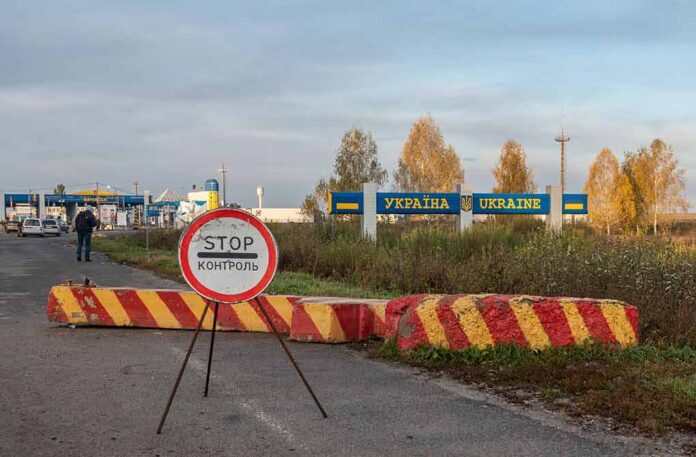
Kyrgyzstan moved to heightened border health checks after reports of a fatal infection in Russia’s Irkutsk region linked to a laboratory worker.
Story Snapshot
- Kyrgyzstan activated enhanced sanitary-quarantine controls at all state border checkpoints.
- Border teams are screening people, vehicles, and cargo as a preventive step.
- The trigger was reporting on a suspected pneumonic plague case tied to a lab worker in Irkutsk.
- Officials say the goal is to block import and spread of dangerous infections.
Kyrgyzstan Confirms Enhanced Health Checks at Its Borders
Kyrgyzstan’s Ministry of Health said it strengthened sanitary and quarantine controls at every state border checkpoint. Officials described an “enhanced operational mode” now in place. The ministry said crews at these points aim to prevent import and spread of infectious diseases. The action follows reporting of a lethal infection in Russia’s Irkutsk region. Authorities framed the steps as precautionary public health work, not as a political move or travel ban.
Border services are working with medical staff to screen travelers, inspect vehicles, and review cargo. The ministry said this joint effort increases the odds of catching signs of illness at entry points. The checks focus on symptoms, travel history, and goods that could carry risk. Officials said the surveillance supports early detection and quick isolation if needed. The plan is a classic border-first approach used for rare but serious diseases.
Suspected Plague Case in Russia Prompted the Action
Reports pointed to a suspected pneumonic plague case involving a 28-year-old laboratory worker in the Irkutsk region. Coverage linked the initial alert to a fatal infection treated in the Shelekhov district near Irkutsk. Kyrgyz outlets tied their upgraded posture to that report. United States officials said they were monitoring the suspected case and urged information sharing. Russian authorities had not publicly confirmed plague at the time of the reports.
Kyrgyz media cited a notice that referenced a deadly “dangerous infection” linked to the Shelekhov District Hospital. That local detail anchored why Bishkek moved fast on controls. The ministry’s statement said the country placed border checkpoints under sanitary-epidemiological monitoring. The message stressed prevention, not panic. The government did not publish counts of checkpoints affected, screenings performed, or stops made so far.
Why Border Screening Happens Before Lab Certainty
Public health systems often move first at borders when a feared disease is nearby. Pneumonic plague spreads through droplets and can be fatal without swift care. That risk profile pushes officials to screen travelers and cargo early, even while tests run. History shows quarantine tools aim to cut import risk at entry points, where action is fastest and cheapest. That is why enhanced screening appears before full medical confirmation in many cases.
Central Asia Tightens Borders Over Russian Plague Scare
Central Asian nations are increasing health screenings after a Russian laboratory worker died from unexplained pneumonia amid suspected plague exposure.
Read: https://t.co/5GUoNfuOuo pic.twitter.com/MhhYkfRfWl
— Real Truth Media (@RealTruth) October 5, 2026
This response also reflects a shared concern that governments must protect the basics: safe travel, safe trade, and clear rules. People across the political spectrum worry that leaders wait too long or act too little when danger looms. Here, Kyrgyzstan chose visible, limited steps at its borders. The state did not claim an outbreak. It acted on prevention. That balance seeks to guard health and keep commerce moving, without feeding fear or hiding facts.
Sources:
news.net.kg, ground.news, thenews.com.pk, thesun.co.uk, turkiyetoday.com