Six Democratic lawmakers sparked national controversy by releasing a video reminding military personnel of their legal obligation to refuse illegal orders, prompting President Trump to label their actions “seditious” and deserving of the death penalty.
Story Highlights
- Democratic lawmakers with military backgrounds released video about refusing illegal orders
- Trump called the message “seditious behavior” punishable by death
- Legal experts confirm military personnel must refuse unlawful commands under existing law
- White House later walked back Trump’s execution comments
The Controversial Video That Ignited Political Firestorm
Six Democratic representatives with military or national security backgrounds recorded a message addressing service members about their legal rights regarding unlawful orders. The lawmakers included Representatives Mark Kelly, Elissa Slotkin, Chris Deluzio, and Chrissy Houlahan, all emphasizing that military personnel can and must refuse illegal commands. This educational reminder about existing military law quickly became a lightning rod for political controversy when President Trump characterized it as treasonous behavior.
Trump’s Explosive Response and Death Penalty Claims
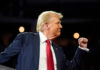
President Trump unleashed a fiery response on social media, calling the lawmakers’ message “seditious behavior” that is “punishable by death.” He demanded the representatives be tried for treason and even reposted suggestions calling for them to be hanged. Trump’s inflammatory rhetoric escalated tensions dramatically, raising concerns about political violence and the appropriate limits of presidential discourse. His comments represented one of the most severe presidential attacks on sitting members of Congress in modern American history.
Legal Framework Behind Military Order Refusal
Military law experts universally confirm that service members are legally required to refuse unlawful orders under the Uniform Code of Military Justice. This principle serves as a cornerstone of military law, ensuring that personnel cannot use “following orders” as a defense for illegal acts. Service members swear an oath to the Constitution, not to any individual leader, making their duty to refuse illegal commands both a legal obligation and constitutional responsibility.
White House Damage Control and Expert Analysis
Following widespread backlash over Trump’s execution threats, the White House issued a clarifying statement asserting that the president does not want to execute members of Congress. Legal scholars and military experts have consistently stated that the lawmakers’ video was educational rather than seditious, simply reminding service members of existing rights and obligations. The controversy highlights growing tensions over military politicization and the boundaries of acceptable political rhetoric in the current administration.
For anyone wanting to know why what Kelly and the seditious six did is so dangerous, read this. https://t.co/nNVkF3qQo8
— Born Again Like Steve McQueen (@swordofthelord2) November 27, 2025
The FBI has reportedly sought interviews with the six lawmakers involved in the video, though no formal charges have been filed. This incident underscores the delicate balance between military loyalty, constitutional duty, and political messaging in an increasingly polarized environment where basic legal principles become flashpoints for partisan conflict.
Sources:
Trump calls lawmakers’ message to military to refuse illegal orders ‘seditious’