A deadly confrontation between Cuban forces and armed passengers aboard a US-registered speedboat has ignited concerns about escalating tensions in the Caribbean as Cuba’s communist regime signals aggressive defensive postures against what it labels ‘terrorist infiltration.’
Story Snapshot
- Cuban border guards killed four people and wounded six others aboard a Florida-registered speedboat that entered Cuban territorial waters on February 25, 2026
- Cuban authorities claim the armed passengers, Cuban residents of the US, intended terrorist infiltration with assault rifles, handguns, and Molotov cocktails
- President Miguel Diaz-Canel vowed to defend Cuba against any ‘terrorist and mercenary aggression’ following the deadly encounter
- Secretary of State Marco Rubio is investigating the incident while Florida officials demand accountability for the use of lethal force against US citizens
Armed Confrontation Raises Questions About Cuban Claims
Cuban border guard troops intercepted a 24-foot speedboat registered in Florida on February 25, 2026, approximately 100 miles from the Florida coast in Cuban territorial waters near Falcones Cay, Villa Clara Province. According to Cuba’s interior ministry, passengers aboard the vessel fired first, wounding the Cuban commander. Cuban forces returned fire, killing four individuals and wounding six others. The surviving passengers remain in Cuban detention, where authorities claim preliminary statements confirm the group intended to carry out an infiltration for terrorist purposes. Two survivors were previously wanted by Cuba for terrorism. However, the characterization of events depends entirely on Cuban government accounts with no independent verification available.
Cuban Regime Exploits Incident for Political Messaging
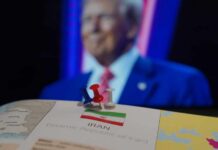
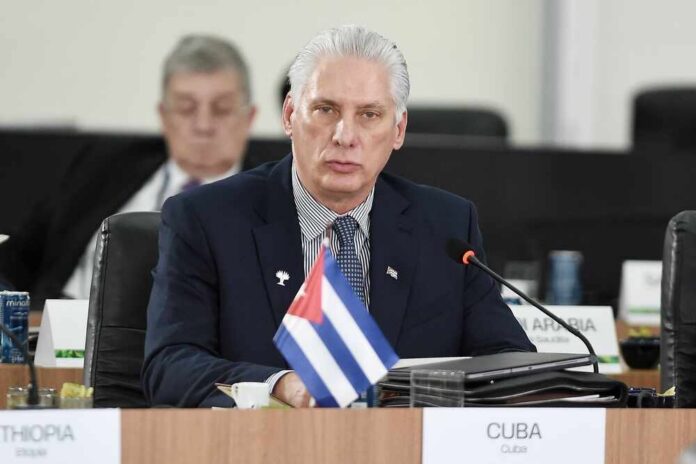
President Miguel Diaz-Canel seized the opportunity to issue a defiant statement on Thursday, declaring Cuba will defend itself “with determination and firmness against any terrorist and mercenary aggression against its sovereignty and national stability.” This rhetoric echoes Cold War-era propaganda designed to portray the communist regime as a victim of external aggression. The timing of Diaz-Canel’s statement is particularly noteworthy given Secretary of State Marco Rubio’s recent suggestion that Cuba might be the next focus of the Trump administration’s efforts in the Western Hemisphere following US military operations in Venezuela. The Cuban government’s framing serves to deflect attention from its economic failures while positioning itself as defending national sovereignty.
Florida Officials Demand Transparency and Accountability
Multiple Florida Republican officials have called for thorough investigation into the deadly encounter, expressing concern about the use of lethal force against a US-registered vessel. Secretary of State Rubio stated the US embassy in Havana was investigating and would “respond accordingly,” with the Department of Homeland Security and US Coast Guard also involved. Vice President JD Vance acknowledged the White House was monitoring the situation but noted limited details were available. Florida Attorney General James Uthmeier, Congressman Carlos Gimenez, and Senator Rick Scott have all demanded accountability, reflecting domestic political pressure on the administration. The lack of independent verification of Cuban claims about terrorist intent raises legitimate questions about whether the communist regime is exploiting the incident to justify excessive force.
Economic Crisis Intensifies Regional Volatility
The confrontation occurs amid Cuba’s severe six-year economic crisis that has seen government-reported economic growth drop by at least 15 percent. The Trump administration’s effective blockade of oil shipments has devastated Cuba’s already fragile energy infrastructure, which previously relied on Venezuela for approximately 30 percent of its oil imports. Shortages of essential goods, rampant inflation, deteriorating services, and widespread power outages plague the Cuban population. This economic desperation creates conditions where the regime becomes increasingly defensive about perceived threats to stability. While President Trump has stated he is not contemplating further military actions against Cuba, believing “Cuba will collapse on its own,” the regime’s aggressive posture suggests it views external pressure as existential threats requiring military responses.
Sovereignty Concerns Meet Questions About Proportional Force
The incident raises complex questions about territorial sovereignty and proportional use of force. While nations have legitimate rights to defend their territorial waters against armed infiltrators, the circumstances surrounding this encounter remain murky. Cuban authorities claim passengers were armed with assault rifles, handguns, and Molotov cocktails, presenting a clear threat. However, the absence of independent verification and Cuba’s history of exaggerating external threats for propaganda purposes warrants skepticism. For Americans watching this unfold, the detention of six wounded US residents by a hostile communist regime presents troubling parallels to past hostage situations. The Trump administration faces pressure to secure their release while investigating whether Cuban forces exceeded legitimate defensive measures or if this represents another example of communist brutality against individuals seeking freedom from tyranny.
Sources:
Cuba stands firm against external threats – Devdiscourse
Cuban forces kill four, wound six on Florida-registered speedboat – AOL