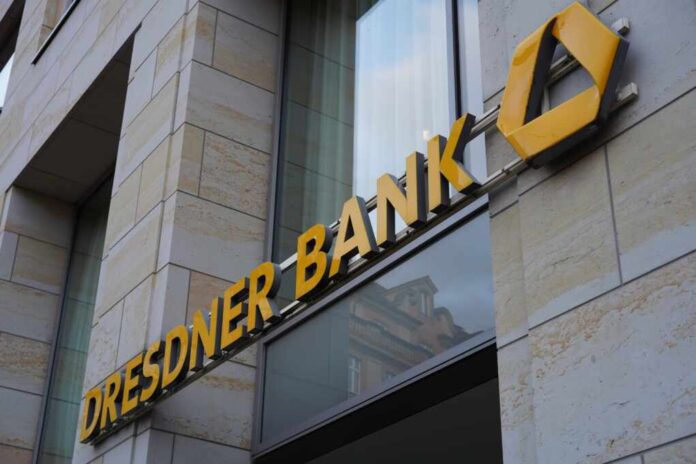
A sophisticated bank heist in Germany exposes alarming vulnerabilities in financial security systems.
Story Overview
- Thieves drilled into a Dresden bank vault, stealing approximately €10-15 million.
- The heist highlights weaknesses in outdated security systems.
- Investigations are underway, with international cooperation.
- Potential insider involvement is suspected in the precision operation.
German Bank Heist Raises Security Concerns
In August 2023, a bold and meticulously executed bank heist in Dresden, Germany, shook the financial sector. Thieves breached a bank vault using advanced drilling equipment, making off with valuables estimated between €10-15 million. This incident has sparked concerns over the vulnerabilities in current security systems, especially those that continue to rely on outdated physical infrastructure. The methodical operation suggests insider knowledge, raising questions about employee involvement in such crimes.
The heist has drawn the attention of both national and international law enforcement agencies. The Bundeskriminalamt (BKA) and local state police, in collaboration with Europol, are spearheading the investigation. Forensic analysis of the equipment used is ongoing, and efforts to retrieve the stolen goods have begun. This incident is a reminder of the sophisticated nature of modern criminal enterprises and the importance of robust security measures.
Thieves used the quiet Christmas period to drill their way into the vault of a German retail bank and make off with more than $10 million worth of money and valuables from customers' deposit boxes, police said https://t.co/KDhWKoBc4B pic.twitter.com/ncobmBF3Iq
— Reuters (@Reuters) December 30, 2025
Implications for the Banking Sector
The financial implications of the heist extend beyond the immediate loss. Banks across Germany are now under pressure to reassess and upgrade their security systems, leading to significant financial investments. Insurance companies are also evaluating their coverage strategies as they face potential claims from affected institutions. This situation underscores the critical need for advancements in security technologies, such as biometric systems and AI monitoring, to prevent future breaches.
In addition to financial strains, the reputational damage to the impacted bank and the broader German banking sector cannot be overlooked. Public confidence in the safety of their deposits is at risk, prompting banks to implement more rigorous security protocols and transparency measures. This incident serves as a wake-up call to financial institutions globally about the necessity of modernizing vault protection systems.
Long-Term Security and Regulatory Impacts
The Dresdner heist is likely to have long-lasting effects on banking security standards and regulatory frameworks. As banks invest in modernizing their infrastructure, there will be a push for industry-wide upgrades to meet enhanced security criteria. Regulatory bodies might also tighten oversight to ensure compliance with these new standards, aiming to mitigate the risk of similar incidents occurring in the future.
Furthermore, this incident highlights the ongoing battle between criminal innovation and security advancements. As financial institutions work to stay ahead of increasingly sophisticated criminals, the need for continuous improvement and investment in security measures becomes apparent. The Dresdner heist will likely be studied as a case for understanding vulnerabilities and developing countermeasures against organized crime.
Sources:
Thieves drill into German bank vault, steal tens of millions …
Thieves drill into Germany bank vault from parking garage …
Cunning thieves drill into German bank vault, steal millions …