
Israeli police say they detained 10 suspects after masked men attacked a U.S. journalist and European diplomats in the West Bank, turning local violence into an international incident.
Story Highlights
- Police detained 10 suspects in pre-dawn raids after two weekend attacks.
- Washington Post photographer Heidi Levine was assaulted while on assignment.
- French, Belgian, and Polish diplomats were attacked near Taybeh the next day.
- Detentions cite violence, a closed military-zone order, and illegal construction.
Police Actions Tied To Two High-Profile Weekend Attacks
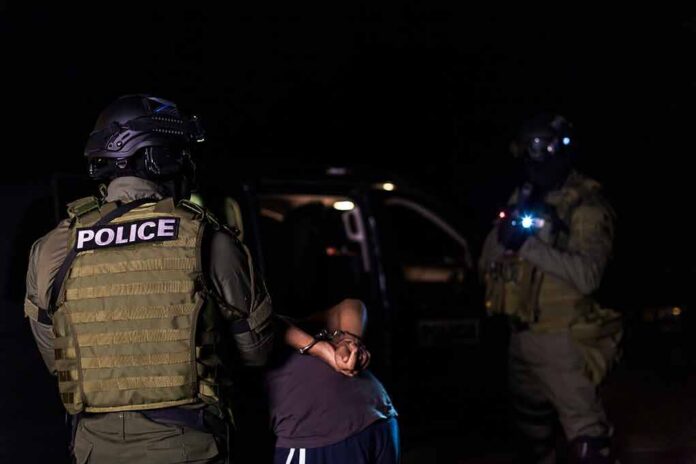
Israeli police reported a pre-dawn operation on October 19 that detained 10 suspects at several West Bank sites. The action followed two attacks that drew global attention. On Friday, masked settlers assaulted Washington Post photographer Heidi Levine, a U.S. citizen, as she covered a Palestinian olive harvest. On Saturday, masked settlers attacked European diplomats near Taybeh, including officials from France, Belgium, and Poland, and French mayor Bernard Baudoux.
Police said the detentions were for questioning on suspicion of involvement in the violent incidents. Authorities also cited violations of a closed military-zone order issued by the Israel Defense Forces Central Command and suspected illegal construction. Officials did not name the detainees or detail individual roles. Several outlets reported 10 arrests, though one Reuters version listed eight, creating a small count gap in early reports.
What Investigators Have And What They Have Not Said
Investigators pointed to contemporaneous footage of the assault on Levine as part of the incident record. The diplomat attack included identifiable foreign officials, which can aid evidence collection and prompt formal complaints. Police have not disclosed specific evidence seized or a suspect-by-suspect link to each assault. Reporting describes detentions for questioning during an ongoing probe. Outlets have not documented charge sheets, indictments, or court findings at this stage.
The police statement framed the operation as broader than assault alone, naming the closed-zone order and illegal construction as additional grounds. That scope can widen legal exposure, but it also leaves open whether all detainees are tied to the assaults themselves. The announcement did not clarify whether the same group carried out both attacks or whether the incidents were coordinated across locations.
Why The Incidents Carry Diplomatic And Press-Freedom Weight
The victims’ identities gave the story reach far beyond the West Bank. Levine’s assault touched press-freedom concerns and U.S. relations, because she is a U.S. citizen working for a major American newspaper. The attack on European diplomats and a French mayor triggered state-level attention from allied governments. Reuters and other outlets described strong international criticism around these incidents, which set the context for the timing and scale of the police response.
#Israeli police have arrested 10 suspects over settler attacks in the occupied #WestBank including incidents involving a US journalist and European diplomats
The arrests follow calls for accountability and stronger protection for journalists and diplomatic personnel #PressFreedom pic.twitter.com/ucqpkJNuwG— Nando Silva (@nandosilva_1_) October 19, 2026
These attacks also landed during the olive-harvest period, which often sees a spike in confrontations. Rights group monitoring has tracked large numbers of incidents during recent harvests, reinforcing why foreign missions and media were present in contested areas. The immediate arrests may signal a sharper enforcement posture, though the key test will be whether cases progress from detention to prosecution and, if proven, conviction.
Accountability Questions That Will Decide The Outcome
Next steps will shape accountability. Clear items include whether prosecutors file charges, what evidence ties named suspects to each act, and how courts rule on the closed-zone order’s scope. Human rights monitors have long tracked low indictment and conviction rates in cases involving violence by Israeli civilians in the West Bank, which explains public focus on whether arrests lead to courtroom outcomes rather than short-term detentions. Those figures do not decide this case, but they inform expectations.
What To Watch In The Coming Days
Watch for official charge filings that list each suspect and alleged act, any release of video or forensic evidence, and statements from the Washington Post and affected European governments. Track whether authorities resolve the arrest-count discrepancy reported in early stories. Monitor court calendars for detention extensions or indictments. These steps will show if this operation becomes a turning point for enforcement or remains a quick response to a high-profile weekend of violence.
Sources:
aljazeera.com, reuters.com, dw.com, upi.com, usnews.com, usatoday.com, abc.net.au, yesh-din.org