
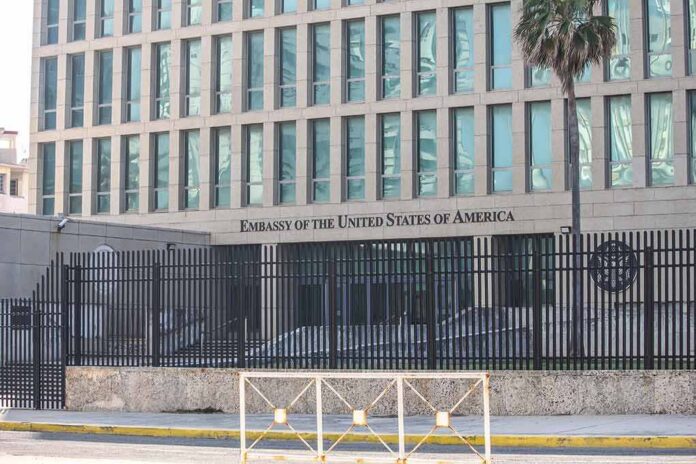
U.S. embassies across Europe issued a synchronized holiday-season alert urging Americans to stay vigilant at crowded sites, while offering no city-specific or plot-specific details.
Story Snapshot
- Multiple U.S. embassies warned about risks at markets, transport hubs, and big events.
- The alerts used broad “holiday season” language and did not cite a confirmed plot.
- Officials framed the notice as general safety guidance for busy travel weeks.
- The wording reflects standard risk communication that aims to inform without panic.
What the U.S. Embassy Alerts Actually Said
U.S. embassies across Europe posted matching notices ahead of peak travel. The alerts urged Americans to be alert at holiday festivals, markets, transport hubs, shopping areas, places of worship, and other crowded spots. The guidance said terrorists, including lone attackers, could strike with little or no warning. It advised extra vigilance, strong situational awareness, and a low profile in crowded areas. The U.S. Embassy in Bulgaria used this exact framing on November 16, 2026, without naming a specific city or plot.
News coverage described the wave of alerts as broad and coordinated. Reports said the notices warned of risk during the holiday period but did not identify a confirmed or city-specific plot. Journalists also noted the lack of detail on what prompted the timing. The tone aimed at practical steps for travelers rather than fear. One outlet emphasized that the guidance was about general safety in crowded places as people move for Thanksgiving, Christmas, and New Year travel.
Why the Wording Sounds So Vague
The phrasing used terms like “holiday season” and “holiday-themed events,” which can feel nonspecific. That style is common in government travel advice. Officials often blend several potential hazards into one notice, such as terrorism, crime, protests, hoaxes, or strikes. The State Department has long said it seeks plain, easy-to-scan language that gives clear actions without sparking panic. That approach helps people make safer choices while keeping warnings consistent across countries and time periods.
Security scholars have found that travel advisories often recycle generic terrorism language. They describe risk at a high level and suggest protective steps, rather than name groups or ideology. This method tries to inform the public and avoid handing publicity to extremists. It also leaves room for fast changes if new intelligence arrives. Researchers note that public warnings can even delay attacks by raising defenses, though they can also lead to “false alarm” fatigue if no incident occurs.
What Is Known—and What Is Not
Officials did not cite an imminent plot, a named group, or a single target country. Reports said the alerts function as a precaution during a busy season. The guidance points to familiar higher-risk locations, like Christmas markets and transport hubs, but stops short of naming a date or a threat actor. A State Department spokesperson characterized the alerts as general safety and security information for the holiday period, not as a response to a precise, known plan.
This balance reflects a real tension. People want clarity about who might strike, where, and why. But public notices cannot reveal sensitive sources or unverified leads. Naming the wrong actor or location can create panic or harm investigations. Leaving out details can feel like government is dodging, yet over-sharing can backfire. The template tries to steer between those risks while still telling travelers what to do now.
How Travelers Can Use the Alert
Travelers can turn broad guidance into concrete steps. Plan routes to and from markets and big events. Scan for exits when you arrive. Keep valuables tight and phones charged. Avoid bottlenecks at entrances and vendor rows. If a crowd surges, move sideways to open space. Tell family your plans and check local news for transport strikes or demonstrations that can spill into tourist zones. These habits lower risk even when officials cannot share more specific detail.
Families should also review embassy resources before they go. Enroll in the Smart Traveler Enrollment Program if available, save emergency numbers, and know where the nearest embassy or consulate is. Keep copies of passports and key medicines on hand. These small moves add resilience if a disruption occurs. The goal is not fear, but readiness. Alerts like these are reminders to keep your head up while enjoying the season’s traditions and travel plans.
The Bigger Picture: Trust, Transparency, and Fatigue
Many Americans on the right and the left doubt whether leaders level with them. Generic warnings can deepen that doubt. At the same time, officials must protect sources and avoid panic. The result is careful language that tries to warn without alarming. The research record shows this style is standard, not new. It aims for plain steps that help people act now, while avoiding claims that might later prove wrong or dangerous to share.
Sources:
pjmedia.com, aol.de, defence24.com, cmu.edu, dl.acm.org