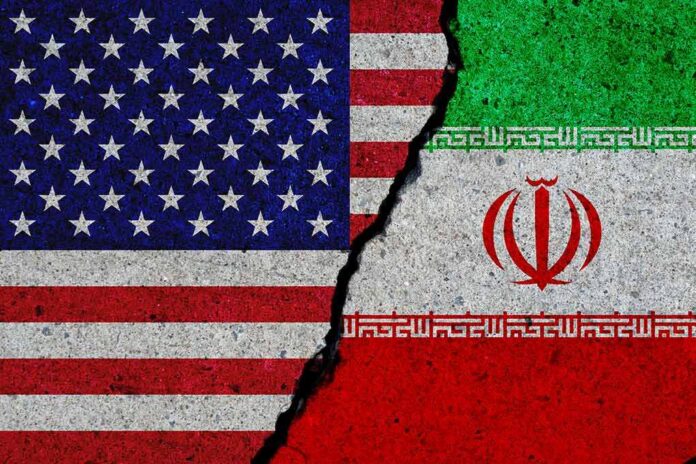
The United Nations’ Iran fact-finding mission says there are “reasonable grounds” the United States committed a war crime in two strikes that killed Iranian civilians, while also finding Iran committed crimes against humanity in crushing protests.
Story Highlights
- UN mission cites “reasonable grounds” the US carried out indiscriminate attacks on civilian sites in Iran.
- The same report says Iranian authorities committed crimes against humanity during and after the 2022 protests.
- US officials deny targeting civilians and say investigations are ongoing; Central Command rejects one strike claim.
- Rights groups say Iran continues executions and repression, deepening a long crisis of impunity.
What the UN Mission Found and Why It Matters
United Nations investigators reported that two February 2023 strikes hit a school and a residential area or sports site in Iran, causing civilian deaths. The mission said there were “reasonable grounds” to believe the United States committed the war crime of launching an indiscriminate attack on civilian objects. The same report concluded that Iranian authorities committed crimes against humanity in their crackdown on nationwide protests, citing murder, torture, and mass detentions across the country.
“Reasonable grounds” is not a court verdict, but it is a serious legal signal under international law. It means trained investigators found credible evidence that meets a defined threshold. These findings often shape sanctions, future cases, and public debate. They also raise hard questions for leaders who say they act to protect civilians. When both a major power and an authoritarian state face grave charges, trust in global rules takes another hit.
How Washington and Tehran Are Responding
United States officials say the military does not target civilians. Defense Secretary Pete Hegseth said the school incident was under investigation and stressed that the United States “never” targets civilian sites. Central Command flatly denied responsibility for a reported strike in the city of Lamerd, saying the accusation was false and that no United States strikes hit within 30 miles on that day. These statements reject intent and, in one case, deny involvement at all.
Iran’s government rejects broad rights abuse claims and often blames unrest on foreign plots. Yet independent monitors have documented mass arrests, torture allegations, and executions tied to protest cases. Human Rights Watch reports a deepening crisis. A United Nations update counted at least dozens executed this year, including protesters, under national security charges. Those actions match patterns the mission cited to support crimes against humanity findings.
Why This Lands With Americans Who Feel the System Is Broken
Americans across the spectrum see a familiar pattern. Officials speak in careful terms. Investigations drag on. Real accountability is rare. Many feel elites protect their own. These findings add to that frustration. If the United States struck a school, citizens expect answers, responsibility, and reforms to prevent repeat harm. If Iran’s rulers torture and kill to silence dissent, people want international tools that actually stop it, not just more reports.
Both stories point to the same gap: rules without enforcement. The mission’s work carries weight, but it does not jail abusers on its own. Follow-through depends on governments, courts, and political will. That is where many believe the system fails. When leaders in Washington or Tehran dodge sunlight, the public pays the price. Clear, public evidence reviews and transparent discipline are the only path to rebuild trust at home and abroad.
What Comes Next: Accountability Paths and Limits
Next steps include more disclosures from the United States investigation, possible congressional oversight, and allied pressure. The government could release strike videos, targeting packets, and after-action reviews with needed redactions. If the investigation confirms error, the United States could offer reparations, adjust targeting rules, and hold commanders to account. Those actions align with law and would show that civilian protection is more than a slogan.
United Nations investigators find 'reasonable grounds' that the United States has committed war crimes in Iran https://t.co/CJ0lfAO281
— Comrade Nico, Self-Lefteous CrippleSextremist (@cripsextremist) September 17, 2026
For Iran, the road is tougher. Victims and advocates push for universal jurisdiction cases abroad, sanctions on named officials, and coordination with United Nations bodies to preserve evidence. Rights groups call for bans on equipment used for repression and for targeted asset freezes. None of this is quick. But steady, documented pressure has narrowed safe space for abusers before. The mission’s record provides a detailed map for prosecutors and lawmakers to use now.
Sources:
19fortyfive.com, iranhumanrights.org, amnesty.org, english.aawsat.com, iran-hrm.com, iranintl.com, aa.com.tr