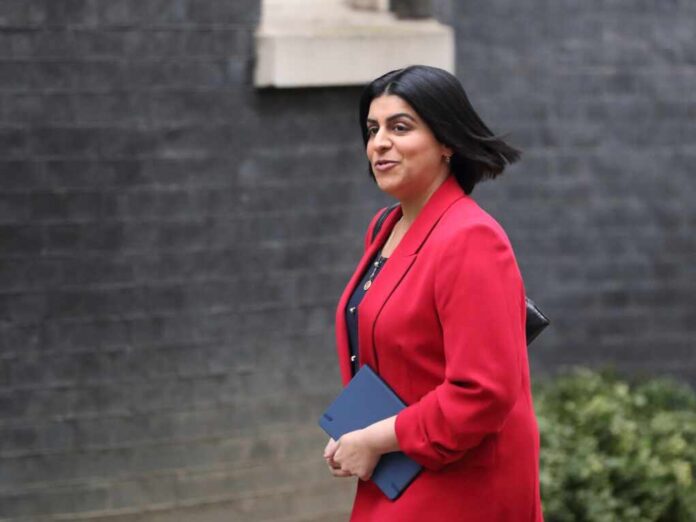
A new policy threatens the very fabric of the welfare system, as UK Home Secretary Shabana Mahmood moves to ban non-citizen migrants from claiming benefits.
Story Highlights
- UK policy extends benefits ban to non-citizen migrants, sparking debate.
- The waiting period for benefits eligibility could extend up to 30 years.
- Labour takes a tougher stance, influenced by right-wing pressures.
- Policy framed as a response to increased migration and welfare costs.
UK’s Stricter Migration Policy Explained
In November 2025, UK Home Secretary Shabana Mahmood announced a controversial new policy that significantly alters the landscape for migrants in the UK. Under this proposal, migrants who do not hold British citizenship will be banned from claiming welfare benefits. The waiting period for migrants to gain eligibility for benefits could extend up to 30 years, a stark increase from the previous five-year requirement under settled status. This move is seen as a response to growing public concern over migration numbers and welfare costs.
The policy represents a significant shift for the Labour Party, traditionally more liberal on migration issues. The new stance aligns with political pressures from right-wing parties and public opinion trends favoring stricter migration controls. This approach seeks to ensure that benefits access in the UK is tied to citizenship and not merely settled status, marking a hardening of policy positions in response to rising migration figures and welfare expenditures.
Migrants to UK will not get benefits until becoming citizens under new plans
Refugee Council says plans would create ‘expensive bureaucracy’ and keep people in limbohttps://t.co/UIa8goBJoX— dave lawrence 🐟🐟🐠 (@dave43law) November 20, 2025
Impacts on Migrant Communities and Public Services
The proposed policy is poised to create immediate and long-term impacts on migrant communities and UK public services. In the short term, migrants waiting for citizenship will face increased uncertainty and hardship due to restricted access to benefits. This could result in greater poverty and marginalization within these communities. Additionally, sectors that rely heavily on migrant labor, such as agriculture and care, may encounter recruitment challenges, potentially impacting the broader economy.
Politically, this move may bolster Labour’s support among voters concerned about migration. However, it also risks alienating portions of the party’s left wing and could face criticism from refugee charities and advocacy groups. These organizations argue that the policy could lead to significant humanitarian concerns and exacerbate social exclusion.
Political and Social Reactions
The announcement has sparked a wide range of reactions across the political spectrum. Right-wing commentators have praised the crackdown as a necessary measure for fiscal responsibility and social cohesion. In contrast, humanitarian organizations and left-leaning politicians have criticized the policy as punitive and counterproductive. There are concerns about potential legal challenges and breaches of international obligations, as experts debate the policy’s effectiveness and humanitarian impact.
The Labour Party’s decision reflects a political calculus influenced by the rise of the Reform UK party and shifting public opinion. As the debate continues, the policy’s long-term implications for the UK’s social fabric and economic health remain a topic of intense scrutiny.
Sources:
GB News
RTHK (Radio Television Hong Kong)
The Telegraph