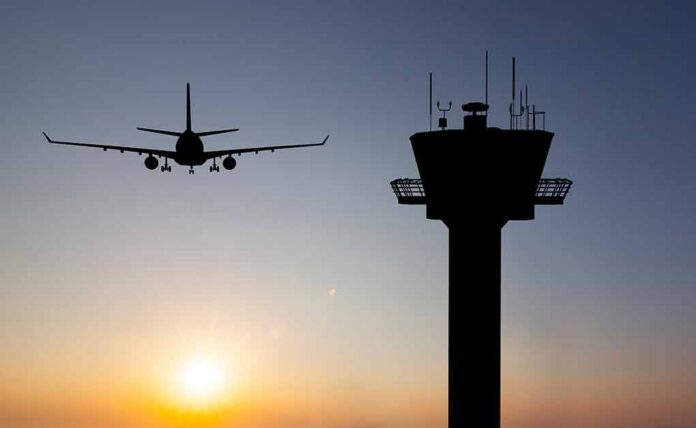
Britain’s air traffic control suffered another software fault that halted departures and triggered nationwide flight cancellations before systems were restored the same day.
Story Snapshot
- NATS said a technical issue in its flight data processing system disrupted departures, then was fixed the same day.
- Departures resumed as airports warned of ongoing delays while backlogs cleared.
- The Transport Secretary said officials ruled out a cyber-attack, pointing to a non-hostile failure.
- NATS later traced the problem to a software defect and said mitigation is in place.
What Broke and How Service Recovered
National Air Traffic Services, known as NATS, reported a technical issue in its flight data processing system on Tuesday, which disrupted some departing flights at major United Kingdom airports. NATS later said the system issue was resolved the same day and that operations were returning to normal as teams worked to reduce the backlog. Heathrow and other airports confirmed that departures were resuming, but warned that delays and cancellations would continue during recovery. The core failure came from software, not a cyber event.
Reuters reported that the disruption hit during the day, grounded some departures, and then eased after engineers stabilized the system. NATS said it was collaborating with airports and airlines to lift restrictions and move aircraft as soon as possible. The agency emphasized safe sequencing as it restarted flows, which slowed the pace of recovery. Airlines began rebooking and repositioning crews once takeoffs restarted, but schedules remained off balance into the evening.
Cause: Software Defect, Not a Cyber-Attack
Officials said a cyber-attack was ruled out, narrowing the cause to a non-hostile technical fault inside NATS systems. NATS identified the problem in its flight data processing system during the incident and moved engineers on site to restore normal service. In a later update, NATS leadership traced the outage to a software defect in a small section of code within a flight data subsystem, and said mitigation was in place while a permanent fix is tested. These facts align with the rapid return to limited operations the same day.
Even after the fix, cancellations and delays stacked up. Airports and airlines said clearing the backlog would take time as aircraft and crews were out of place. That lag reflects how air traffic networks work. When a core planning layer pauses, flights cannot depart as scheduled. Once service returns, controllers must meter traffic to maintain safe spacing. That means recovery runs slower than the normal schedule, and passengers can face longer waits even after computers are back online.
Why Repeated Faults Hit So Hard
This outage follows earlier NATS failures that also began with software or data-processing errors and then spread across the network. Aviation systems are tightly linked, so a single core glitch can ripple into wide disruption. In a 2023 incident, a review by the United Kingdom Civil Aviation Authority found that the flight-planning subsystem could not stay fully operational when it processed a specific flight plan, and both primary and backup channels hit exceptions. That history explains why recovery takes hours, not minutes.
NEWS: Airlines demand UK air traffic control overhaul after second outage https://t.co/fMTfbkbX3v #businesstravel #travelmanagement pic.twitter.com/9tvhF9i9BH
— BTN Europe (@BTNEurope) September 21, 2026
For travelers, the label “technical issue” can feel vague, but the practical stakes are clear. A few lines of bad code, or corrupted data, can stop departures across a country. NATS now says a software defect triggered this latest halt and that a mitigation is active while a permanent fix is tested. Airports reported progress yet warned of rolling delays as crews and aircraft returned to position. People across the political spectrum see episodes like this as another sign key systems are brittle and slow to adapt.
Sources:
insiderpaper.com, bbc.com, reuters.com, livemint.com