A ten-time convicted scammer admitted he stole more than $1.8 million from two elderly women he courted, exposing how trust can be weaponized against seniors.
Story Snapshot
- Temecula resident Troy Clinton Van Sickle pleaded guilty to a $1.8 million romance-fraud scheme targeting two elderly women.
- Prosecutors say he lied about love and business deals, then hid his history while moving the money through fraud and laundering.
- Romance scams are a top loss category for older Americans, with hundreds of millions in yearly reported losses.
- The case spotlights weak guardrails that leave seniors exposed and families scrambling to respond.
Guilty Plea Confirms Romance-Fraud Scheme Against Seniors
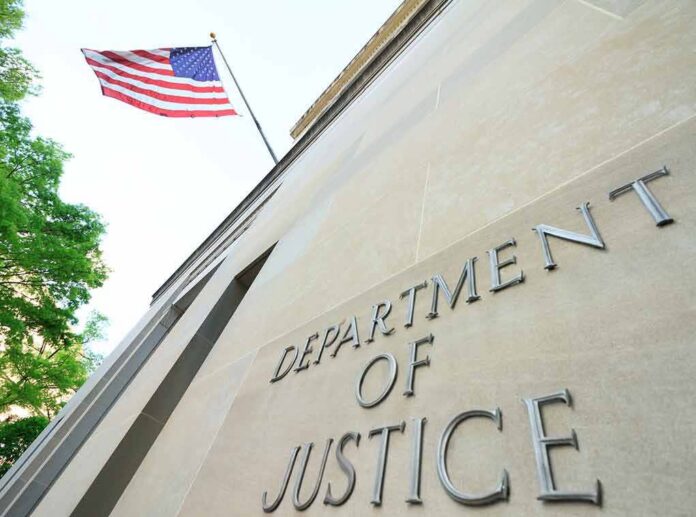
Federal prosecutors in San Diego said Troy Clinton Van Sickle, 55, of Temecula, pleaded guilty to wire fraud and related charges after deceiving two elderly women out of more than $1.8 million. The plea says he pretended to be romantically involved, pushed fake deals, and then moved the funds. The Department of Justice described him as a “ten-time convicted scammer” and said he also obstructed the investigation. Court coverage reported wire fraud, money laundering, and false statements among the offenses.
Prosecutors said Van Sickle hid his criminal past and posed as a successful businessman to win trust and request large sums. They said he promised investments, urgent loans, or returns that never came. The victims believed they were supporting a partner. Instead, they were fueling a fraud. The plea resolves any dispute over what happened; he admitted the conduct. Sentencing details were not in the research package, so the timeline and potential restitution remain unclear.
How The Scam Worked And Why It Hits So Hard
Romance frauds target feelings first, then finances. Scammers build an emotional bond, then create pressure. They claim an emergency, a business need, or a once-in-a-lifetime deal. They isolate victims from friends who might question the story. They ask for wire transfers, gift cards, or cryptocurrency. In this case, prosecutors said emotional lies set up the thefts, and money moved through accounts to hide the trail. That pattern matches federal advisories on elder financial exploitation.
Older adults face special risks. Many live alone, manage savings, and want companionship. Federal reporting shows romance and confidence schemes cost seniors large sums each year. The Internet Crime Complaint Center recorded hundreds of millions in losses tied to such scams, with older victims suffering a big share of the harm. The Department of Justice says millions of older Americans are hit by fraud annually, underlining how widespread this threat has become.
Enforcement Push Meets A Growing Fraud Economy
The government has created strike forces and run public alerts to fight elder fraud. Federal agencies say they pursue hundreds of cases each year and try to claw back funds when possible. But prevention is still the best defense. Once money moves across accounts or borders, recovery gets hard. The broader record shows losses keep climbing even as officials announce new actions, suggesting that enforcement alone cannot close the gap.
This case shows both the reach and the limits of the system. Prosecutors secured a guilty plea. That brings a measure of accountability and a chance at restitution orders. Yet two women still lost life-changing sums. Families often learn of a scam only after savings are gone. Banks and platforms flag some transfers, but many slip through. People across the political spectrum see patterns like this and ask why basic protections remain weak while fraud keeps scaling.
What Families Can Do Right Now
Talk early and often about money and online ties. Agree on a “pause and verify” rule for large transfers. Use account alerts and daily limits. Call the bank at the first red flag. Report suspicious contacts to local police and to the Internet Crime Complaint Center. Share simple scripts seniors can use to end pressure calls. Remind loved ones that real partners never demand secrecy, rushed wires, or payments through gift cards or cryptocurrency.
Community groups, churches, and senior centers can host brief fraud drills. A ten-minute role-play can help someone spot a lie when it counts. If a scam still lands, speed matters. Banks and the Federal Bureau of Investigation can sometimes freeze funds if called fast. The Financial Fraud Kill Chain process has recovered losses in some elder cases, but it requires immediate reporting and accurate transaction details.
Why This Matters Beyond One Case
Both conservatives and liberals worry that the system fails regular people while bad actors thrive. This plea shows how easily a con artist can bypass layers that should shield seniors. Big losses like these erode trust in banks, platforms, and public agencies. Clear rules, faster fraud holds, and plain-language alerts would help. Until those guardrails improve, families remain the front line. Awareness, quick action, and open talk are the best tools most people have today.
Sources:
townhall.com, kesq.com, sandiegouniontribune.com, mcknightsseniorliving.com, cbsnews.com, san.com