
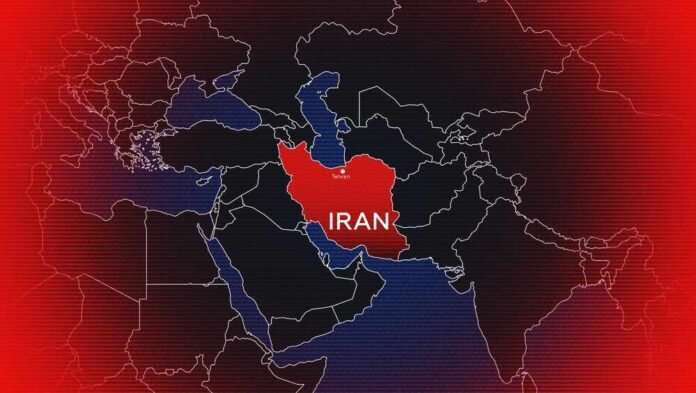
Iran’s regime executed at least 1,639 people in 2025—a 68% surge from the previous year—yet global media silence shields the Islamic Republic’s unprecedented crackdown on dissent amid war and mass protests.
Story Snapshot
- Iran carried out 1,639 executions in 2025, the highest rate since 1989, with nearly half tied to drug offenses and a tripling of public hangings.
- January 2026 protests triggered massacres killing up to 36,000 citizens, followed by systematic execution of protesters through unfair trials using torture-extracted confessions.
- Internet blackouts and body denials by the regime hide atrocities while approximately 27,000 arrested demonstrators face potential death sentences.
- Human rights organizations confirm executions continue through March 2026 despite regime claims of halting hangings, exposing coordinated policy to crush opposition.
Unprecedented Execution Surge Tied to Regime Survival
Iran’s judiciary executed at least 1,639 individuals in 2025, marking a 68% increase from 975 executions in 2024 and the highest annual total since 1989, according to Iran Human Rights and Together Against the Death Penalty. The spike coincides with escalating conflict following the 2025 war with the United States and Israel, as the regime weaponizes capital punishment to silence dissent. Nearly half of those executed faced drug-related charges, while public hangings tripled to eleven cases, signaling intensified efforts to instill fear across Iranian society through visible brutality.
Massacre Response and Information Blackout
Between January 8-9, 2026, security forces and Basij militias killed thousands during nationwide anti-regime protests, with official reports acknowledging 3,117 deaths while UN Special Rapporteur Mai Sato documented over 5,000 fatalities and independent estimates reaching 36,000. The regime immediately imposed internet blackouts and confiscated Starlink equipment to prevent documentation of atrocities, simultaneously arresting approximately 27,000 demonstrators. Amnesty International reported authorities murdered wounded protesters in hospitals and refused to release bodies to families, forcing survivors to sign false statements absolving security forces. This coordinated clampdown reveals a regime prioritizing self-preservation over any pretense of justice or accountability.
Systematic Execution of Political Prisoners
Following the January massacres, Iran’s judiciary vowed “no mercy” and accelerated execution of protesters despite U.S. claims the regime halted hangings. Ten dissidents were executed within seven days in January 2026, including seven protesters from the January uprising, six MEK members, and one dual citizen accused of espionage. On March 19, 2026, Saleh Mohammadi, Saeed Davodi, and Mehdi Ghasemi became the first protesters from December 2025-January 2026 demonstrations to be hanged in Qom. Human rights groups documented trials as “systematically unfair,” with confessions extracted through torture and broadcast on state media, while hundreds more arrested demonstrators remain at imminent risk of execution. This pattern mirrors historical revolutionary terror tactics, undermining fundamental principles of due process that Americans recognize as essential safeguards against government tyranny.
Media Silence Enables Oppression
Despite Iran maintaining the world’s second-highest execution rate per capita after China, international media coverage remains minimal even as the regime conducts what UN experts call an “unprecedented execution spree.” The information blackout extends beyond Iran’s borders, with Western outlets largely ignoring the systematic elimination of political opposition through judicial murder. Human rights organizations emphasize they can only verify cases with multiple independent sources, meaning the actual death toll likely exceeds reported figures significantly. Over 500 executions from 2025 remain unconfirmed due to restricted information access. This silence benefits Tehran’s theocratic rulers while abandoning Iranian citizens fighting for freedoms Americans inherited through their founders’ sacrifices, raising uncomfortable questions about whether global elites prioritize diplomatic convenience over human dignity and universal rights.
Executions Continue in Iran – Why Aren't We Hearing More About It?
The establishment news media does not think these people's lives are important enough for your attention.https://t.co/IkRR2CyXm4
— Zayphar Is Colorblind (@Zayphar) April 16, 2026
The regime’s accelerating executions demonstrate calculated policy rather than random violence, according to Foundation for Defense of Democracies analyst Janatan Sayeh, who notes the anti-regime movement persists despite staggering casualties exceeding 36,000 deaths. Iran’s judiciary operates independently of external pressure, flatly rejecting U.S. assertions about halted executions while continuing to brand protesters as terrorists warranting capital punishment. As war continues and repression intensifies, the gap between regime brutality and international response exposes fundamental failures in how democratic nations confront authoritarian violence when strategic interests compete with moral imperatives.
Sources:
Iran executed at least 1,639 in 2025, more hangings feared: NGOs
Iran’s Executions Have Not Stopped
Iran: Authorities unleash heavily militarized clampdown to hide protest massacres
UN experts appalled by unprecedented execution spree in Iran, over 1,000 killed in nine months