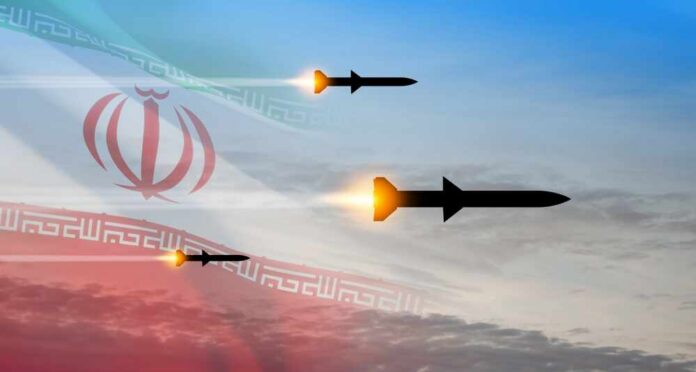
Iran launched missiles at Israel mere minutes after President Trump announced a two-week ceasefire in U.S. strikes, exposing Tehran’s brazen defiance and raising urgent questions about whether diplomatic overtures embolden America’s adversaries instead of securing peace.
Story Snapshot
- Iran fired missiles targeting Israel moments after Trump declared a two-week pause in U.S. bombing campaigns against Iran
- The immediate timing suggests Iran rejected or deliberately tested the U.S. ceasefire offer
- No casualties or damage details have been reported, leaving the strike’s full impact unclear
- The incident underscores deepening U.S.-Iran tensions despite Trump’s de-escalation attempt
Trump’s Ceasefire Announcement Met With Immediate Provocation
President Donald Trump announced a two-week suspension of U.S. bombing campaigns against Iran, signaling an effort to de-escalate mounting military tensions in the Middle East. Fox News senior correspondent Mike Tobin reported the ceasefire declaration was intended to create space for diplomatic solutions. However, within minutes of Trump’s announcement, Iranian forces launched missiles at Israel, transforming what appeared to be a gesture of restraint into a flashpoint for renewed hostility. The timing raises critical concerns about Iran’s willingness to engage in good faith negotiations or whether Tehran views U.S. pauses as opportunities for aggression.
Iran’s Calculated Response to U.S. Leverage
Iran’s decision to strike Israel immediately after the ceasefire announcement appears to be a calculated rejection of American diplomatic overtures. The missile launches targeted Israel, a key U.S. ally in the region, rather than directly confronting American forces. This choice suggests Iran seeks to exploit perceived weaknesses in U.S. resolve while avoiding direct retaliation that could justify resuming full-scale bombing campaigns. For Americans frustrated with foreign adversaries exploiting diplomatic gestures, this incident reinforces skepticism about whether pauses in military pressure achieve peace or merely invite further provocations from hostile regimes.
Regional Instability and Unanswered Questions
The missile strikes occurred without immediate reports of casualties or damage, leaving the full scope of Iran’s intent unclear. No Israeli or Iranian government officials issued public statements following the incident, and details about intercepted missiles or defensive responses remain absent from available reporting. This information gap complicates assessments of whether Iran intended symbolic defiance or sought tangible military gains. For everyday citizens watching global conflicts unfold, the lack of transparency from both regional powers and the U.S. government fuels frustration with elites who control information while ordinary people bear the economic and security consequences of prolonged instability.
Credibility of U.S. Foreign Policy at Stake
Trump’s ceasefire offered a window for diplomatic resolution, but Iran’s immediate response threatens to undermine U.S. credibility in future negotiations. If adversaries perceive American pauses as signs of weakness rather than strength, the administration faces mounting pressure to resume strikes or risk emboldening further aggression. Americans across the political spectrum who prioritize national security over endless foreign entanglements recognize the dilemma: ceasefires demand reciprocal restraint, yet unilateral concessions invite exploitation. This incident crystallizes long-standing concerns that Washington’s foreign policy establishment prioritizes process over results, leaving the nation vulnerable to adversaries who interpret goodwill as opportunity.
The missile launches occurred against a backdrop of ongoing U.S.-Iran hostilities, though the specific triggers for escalation remain unreported in available sources. Without comprehensive historical context or post-incident updates, the event stands as a stark reminder of the fragility of peace efforts in a region where power dynamics shift rapidly and diplomatic gestures often fail to translate into lasting security. For Americans weary of decades-long conflicts draining national resources, this latest episode reinforces doubts about whether foreign policy elites possess either the competence or the commitment to protect U.S. interests without endless military engagement.
Sources:
Fox News Video Report on Iran Missile Launches
Mediaite: Iran Launches Missiles at Israel Minutes After Trump Announces Ceasefire