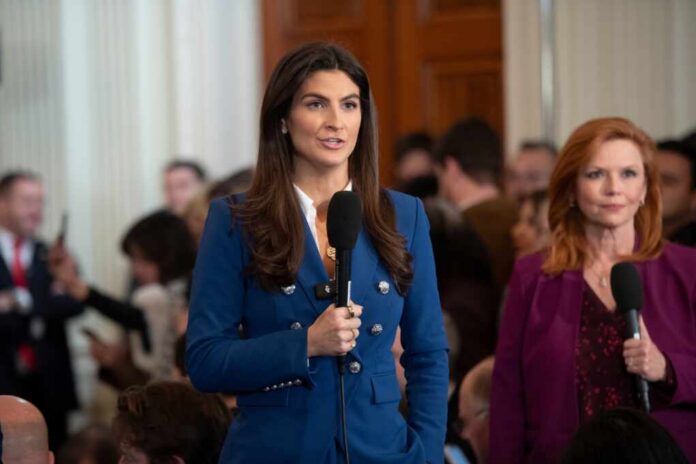
President Trump delivered a sharp rebuke to CNN’s Kaitlan Collins during a February 3 White House press conference, calling her “the worst reporter” after she pressed him on Jeffrey Epstein survivors and political elites linked to the scandal, exposing once again how the mainstream media ignores real accountability while attacking this administration.
Story Snapshot
- Trump confronted CNN reporter Kaitlan Collins after questions about Epstein survivors and Peter Mandelson’s resignation over scandal ties
- President accused CNN of dishonesty and plummeting ratings while redirecting focus to Clinton family depositions scheduled by House Oversight
- Exchange went viral as Trump contrasted media scrutiny of his administration with lighter treatment of Democrats implicated in Epstein documents
- Incident highlights ongoing battle between Trump and legacy media amid fresh revelations about political elites’ connections to sex trafficking scandal
Trump Challenges CNN Reporter Over Epstein Inquiry
President Trump sharply criticized CNN White House correspondent Kaitlan Collins on February 3, 2026, during a press conference that quickly turned confrontational. Collins questioned Trump about Jeffrey Epstein survivors and British ambassador Peter Mandelson’s recent resignation from the UK House of Lords over Epstein connections. Trump dismissed the inquiry, stating “You are the worst reporter. No wonder CNN has no ratings… very dishonest organization.” The President pivoted to emphasize upcoming House Oversight Committee depositions of Bill and Hillary Clinton regarding their Epstein ties, contrasting the scrutiny he faces with investigations into Democratic figures.
Trump attacking Kaitlan Collins for asking about justice for Epstein survivors: You are the worst reporter. I don’t think I’ve ever seen you smile. Your organization should be ashamed of you.#EpsteinFiles #donaltrump pic.twitter.com/qEwu4Abbto
— Ubaidullah Tariq (@Ubaidullah_85) February 3, 2026
Media Deflection From Real Accountability
The exchange exposes a troubling pattern where mainstream media outlets like CNN obsess over Trump’s every word while downplaying serious questions about Democrats’ involvement in one of the most disturbing scandals in modern history. Collins pressed Trump about his meeting with Mandelson months earlier, yet failed to acknowledge the President’s consistent distancing from Epstein compared to documented Clinton connections. This selective outrage exemplifies why Americans increasingly distrust legacy media. While Trump has long criticized opponents like the Clintons for their closer Epstein associations, CNN and similar outlets continue framing questions to implicate this administration rather than pursuing genuine accountability for all involved parties.
Epstein Scandal Resurfaces With Political Implications
The timing of this press conference clash coincides with renewed Epstein scrutiny following recent document releases and Mandelson’s resignation in early February 2026. The House Oversight Committee has scheduled depositions for the Clinton family, a development that contrasts sharply with the legal battles Trump endured during Biden’s term. Jeffrey Epstein’s 2019 arrest and death exposed a sex trafficking network involving underage victims and elite figures across politics and business. Trump has historically distanced himself from the convicted predator while pointing to Bill Clinton’s documented flights on Epstein’s private jet. The President’s frustration during the press conference reflects his view that media outlets pursue partisan narratives rather than equal justice.
Trump’s Ongoing Battle With CNN
President Trump’s relationship with CNN, particularly Collins, has remained contentious throughout his political career. Dating back to his first term, Trump has clashed repeatedly with the network he labels “fake news,” including barring Collins from a 2023 town hall audience. During the February 3 exchange, Trump referenced CNN’s ratings struggles, a familiar attack line that resonates with conservatives who view mainstream outlets as partisan actors rather than neutral journalists. Collins persisted with questions about what message Trump would send to Epstein survivors, but the President maintained focus on what he considers more pressing accountability issues involving his political opponents. This dynamic reinforces the erosion of trust between conservatives and legacy media institutions.
The viral spread of this exchange across YouTube and social media platforms demonstrates how Trump’s direct confrontations with reporters energize his base while exposing media bias. As the 2026 midterms approach, the Epstein scandal remains a potent political weapon, with Americans demanding transparency about all elites implicated in the trafficking network. Trump’s willingness to call out CNN’s dishonesty while redirecting attention to pending Clinton depositions exemplifies his combative communication style that supporters appreciate. The incident underscores fundamental questions about journalistic integrity and whether mainstream outlets will pursue accountability evenly or continue protecting Democrats while attacking this administration relentlessly.