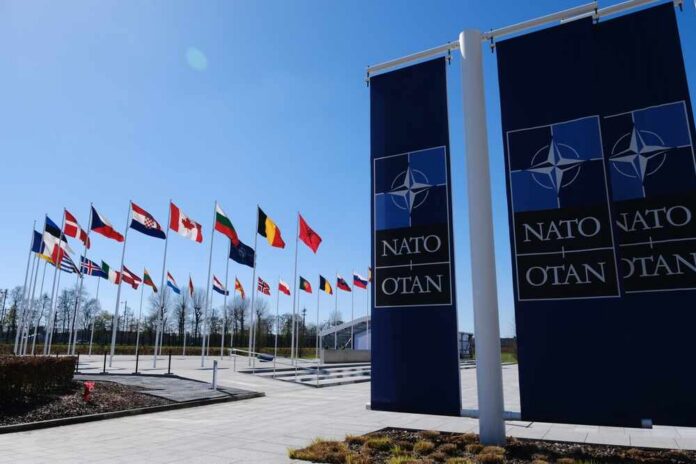
A planned withdrawal of roughly 5,000 U.S. troops from Germany is fueling new debate over NATO’s future, American military commitments abroad, and whether alliance decisions are being driven more by politics than transparent long-term strategy.
Story Snapshot
- NATO’s top commander insists the planned withdrawal of 5,000 U.S. troops from Germany will not weaken Europe’s defenses.
- The Pentagon describes the move as a routine “force posture” adjustment after a formal review, not a retreat from NATO commitments.
- European and NATO officials publicly downplay the impact but privately seek clarity, revealing unease about U.S. reliability.
- Critics argue the decision is tied to political tensions and may signal a deeper unraveling of trust inside the alliance.
What the Withdrawal Actually Does on the Ground
The United States government has ordered about 5,000 troops to leave Germany over the next six to twelve months, out of roughly 35,000 to 40,000 still stationed there.[1][2] Pentagon spokesman Sean Parnell framed the decision as the product of a “thorough review” of American force posture in Europe and said it reflects conditions in the theater, not a break with the North Atlantic Treaty Organization’s defense plans.[2] Around 30,000 American personnel are expected to remain in Germany after the drawdown.[2]
Germany’s government is trying to calm fears at home and across Europe. Defense Minister Boris Pistorius said the reduction was anticipated and stressed that Europe must strengthen its own role within the alliance.[1] NATO officials have echoed this tone in public, emphasizing consultation and ongoing planning. France 24 reported that the alliance is “working with the United States to understand the decision,” a diplomatic way of saying European militaries want more detail on which units, capabilities, and bases are affected.
Why NATO’s Top Commander Says Defenses Are Still Intact
NATO’s senior military leadership argues this withdrawal does not undermine core defense plans because European allies have boosted their own capabilities since Russia’s invasion of Ukraine and the widening Middle East conflict. Officials point to higher European defense spending, more European troops on NATO’s eastern flank, and new investments in ammunition and air defense. In that view, shifting 5,000 American personnel is a rebalancing inside a stronger overall posture, not a hole in the shield.
Pentagon language reinforces that story. By labeling the move a routine posture adjustment tied to “theater requirements,” American planners are signaling that they expect Europe to carry a larger share of its own defense while the United States focuses more attention on the Indo-Pacific and other hot spots.[2] For many in Washington, that is the America First promise in military form: fewer open-ended commitments, more pressure on allies to step up, and a leaner overseas footprint that they say still deters adversaries.
Concerns About Politics, Punishment, and Credibility
Critics within Europe and parts of the American foreign-policy establishment see the situation differently.[3][4] Some reporting links the timing of the troop withdrawal to ongoing tensions between President Donald Trump and several European leaders over defense spending, NATO burden-sharing, and disagreements surrounding broader foreign-policy issues.[3][4] Analysts on both sides of the Atlantic have suggested the drawdown could function partly as political leverage aimed at pressuring allies to align more closely with Washington’s strategic priorities.
Previous debates during Trump’s earlier presidency similarly involved threats to reduce troop levels in Germany unless NATO members increased military spending and fulfilled alliance obligations.[4] That history contributes to current anxieties among European officials who worry that U.S. security guarantees may increasingly become transactional rather than predictable. Even if the immediate military impact remains manageable, critics argue that uncertainty itself can weaken deterrence by creating doubts about long-term alliance cohesion. Privately, some NATO officials reportedly fear that political signaling surrounding troop deployments may erode trust faster than military planners can compensate through budgets or force restructuring.[3]
What This Means for Ordinary Americans and Europeans
This fight over 5,000 troops lands in a world where citizens on both the right and left already believe the system is serving insiders first. Longtime conservatives see another instance of global commitments adjusted by bureaucrats and generals who never admit past mistakes or financial burdens. Progressives see a foreign policy driven by backroom threats and pressure campaigns rather than open democratic debate. Both sides watch leaders trade accusations while basic questions about cost, risk, and accountability go unanswered.
NATO Supreme Allied Commander Transformation (SACT) Admiral Pierre Vandier:
Ukraine and the Middle East show us that war is now shaped by speed, mass, software, drones, electronic warfare, space and data — areas where we have a lot to do.
So yes, we need more missiles, more… https://t.co/Qwn9gGj2W3 pic.twitter.com/7fAfDNroUl
— Adam Scott (@chefcascottccc) May 19, 2026
The controversy highlights a deeper problem: decisions that shape war and peace for millions of people are being sold as “routine” administrative tweaks, even when they clearly carry political and strategic meaning.[1][2] NATO’s top commander may be right that Europe’s defenses are holding for now. But when troop levels double as diplomatic punishment, and when explanations come in careful talking points instead of plain truth, skepticism is not anti-American or anti-European—it is basic self-defense by citizens who know they are the ones who pay when elites get these bets wrong.
Sources:
[1] YouTube – US troops pull out of Germany: What it means for NATO | DW News
[2] Web – Hegseth orders 5,000 US troops to withdraw from Germany
[3] YouTube – U.S. troop withdrawal from Germany deepens transatlantic tensions
[4] Web – Trump’s call to reduce US troops in Germany shocks Pentagon