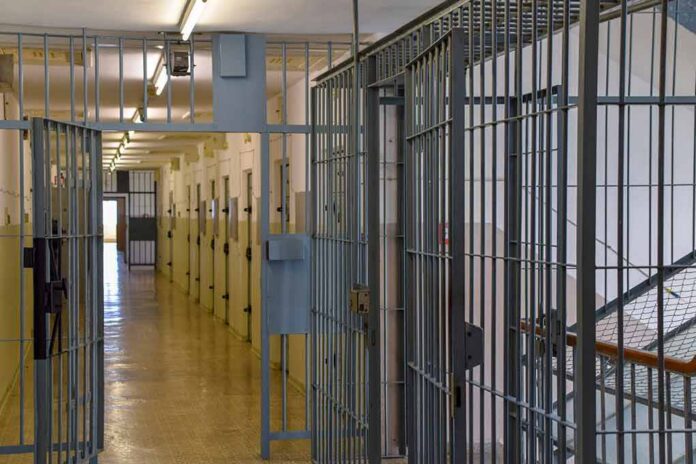
A brutal gang-fueled riot inside a Sri Lankan prison left at least 25 people dead after inmates grabbed guards’ guns and turned the facility into a war zone.
Story Snapshot
- Deadly clash between rival drug gangs in Sri Lanka’s Negombo prison killed at least 25 and injured over 100.
- Prisoners reportedly seized firearms from guards, raising fresh questions about basic security and state control.
- Officials blame drug smuggling and severe overcrowding, while families outside demand honest answers and real reform.
- A government investigation is promised, but past prison riots show a long pattern of failure and weak accountability.
Gang War Behind Bars Turns Deadly
Officials in Sri Lanka say the Negombo prison riot began when two rival inmate groups clashed over drug smuggling inside the facility. One faction was described as long-term drug-addicted prisoners, while another group opposed the drug trade and reportedly targeted an alleged informant. Violence first broke out on Sunday, then exploded again on Monday as tensions rose. The prison holds around 2,400 inmates in crowded conditions, so once the fight started, it spread fast and was hard to contain.
Reports from Sri Lankan media and international outlets say at least 25 people were killed and more than 100 were injured in the two days of chaos. Both inmates and prison staff are among the dead, making this one of the worst prison riots in the country’s recent history. The exact death toll still shifts between 23 and 27, because authorities are updating numbers as more bodies are identified and injured victims pass away. That alone shows how serious and confusing the situation inside the prison became.
Prisoners Seize Guard Weapons, Security Forces Move In
Officials say that at some point during the unrest, prisoners managed to seize firearms from prison guards. Once inmates had guns, the threat level jumped sharply, and gunfire was heard from inside the facility as clashes intensified. Security forces, including police units and the military, were called in to restore order. Drones and special teams were reportedly deployed, underscoring how a supposedly secure prison turned into a battlefield controlled, for a time, by criminal gangs and panicked inmates.
Doctors at nearby hospitals reported that many victims had gunshot wounds, while others were beaten or injured by blunt force. Some accounts suggest it is still not fully clear which weapons were in inmate hands and exactly who fired which shots. This confusion matters. When any prison allows inmates to reach guard weapons, it exposes a deep failure in training, equipment control, and emergency planning. For Americans worried about law and order, this is a stark warning of what happens when government systems grow weak and corrupt instead of strong and accountable.
Overcrowding, Drugs, and a System That Keeps Failing
Local reports and regional analysts link the Negombo riot to a wider pattern in Sri Lanka’s prison system: chronic overcrowding, poor infrastructure, and rampant drug smuggling behind bars. In many facilities, remand prisoners awaiting trial pack the cells, rehabilitation is weak, and contraband phones and drugs move freely. Those conditions turn prisons into gang hubs rather than places of justice. When rival drug gangs run sections of a prison, a single dispute can quickly grow into a deadly riot, as it did in Negombo.
The opposition should pursue every available legal avenue to ensure a full, independent investigation into the Negombo Prison deaths and riot. Had this occurred while AKD was in opposition, there would likely have been relentless protests and political pressure @sajithpremadasa
— Capital Sky Investments (@EmiratesCresent) July 7, 2026
This is not Sri Lanka’s first major prison tragedy. Past riots, including the notorious Welikada prison massacre in the 1980s, also mixed gang violence, ethnic tensions, and unclear state actions, with investigations that never fully satisfied families or watchdogs. That history fuels today’s distrust. Families of Negombo inmates gathered outside the prison demanding information, worried their loved ones were caught in crossfire or targeted in confusion. When governments promise probes but rarely deliver full transparency, citizens begin to doubt every official line, whether in Sri Lanka or anywhere else.
Government Promises Probe as Families Demand Truth
Sri Lanka’s justice ministry has announced a three-member investigation team, led by a retired Supreme Court justice, to examine the riot. The justice minister publicly expressed shock and ordered a report on what triggered the violence, how inmates got weapons, and why so many died. Officials say they will look at security lapses and consider transferring some inmates to ease crowding at Negombo. On paper, that sounds like action. In practice, past probes have often ended with mild reforms and little real accountability.
Some inmates have already accused security forces of firing into the prison indiscriminately while trying to regain control. Hospital sources told reporters that most deaths were not from gunshots, which complicates that claim but does not remove the need for clear answers. For conservative readers, the message is clear: when a government lets prisons fall into chaos, both inmates and officers pay the price, and citizens lose trust. Strong nations enforce law, protect staff, and keep criminals from running the show. Weak, politicized systems invite riots, cover-ups, and more human tragedy.
Sources:
youtube.com, nytimes.com, facebook.com, instagram.com