A simple plea from a Gold Star widow for a photo of her husband’s grave turned into a viral test of whether Americans—and their leaders—still know how to honor sacrifice beyond politics.
Story Snapshot
- A Memorial Day X post by Gold Star widow Sharrell Shaw asking for a photo of her husband’s grave at Arlington drew millions of views and dozens of visitors.[1][2]
- Director of National Intelligence Tulsi Gabbard and Secretary of War Pete Hegseth personally visited Staff Sergeant Alan W. Shaw’s grave in response.[1][2]
- The story shows how a private act of mourning can become a public media event shaped by political figures and social platforms.[1][2]
- Limited primary documentation raises questions about how much we can verify versus how much we simply feel in viral memorial stories.[1]
A Widow’s “Long Shot” Plea That Millions Saw
On the Sunday before Memorial Day, Gold Star widow Sharrell Anne Shaw posted on X asking if anyone visiting Arlington National Cemetery could stop by her husband’s grave in Section 60 and send her a fresh photo, since she could not be there herself.[1][2] She identified the headstone as Staff Sergeant Alan W. Shaw of the First Cavalry Division, killed in action in Iraq on February 9, 2007.[1] The request framed remembrance in concrete terms: one soldier’s name, one grave, one widow wanting proof he is not forgotten.
By early Tuesday, reports said Shaw’s post had drawn more than 4.9 million views on X, with people responding that they had stopped by the grave, left small tributes, and prayed.[1][2] Media coverage described Section 60—where many Iraq and Afghanistan dead are buried—turning into a focal point of Memorial Day traffic, as visitors deliberately sought out Alan Shaw’s grave alongside the rows of other fallen troops.[2] This surge of attention reflects how algorithm-driven platforms can transform a quiet personal request into a national moment in just hours.
High-Profile Visits: Respect, Optics, or Both?
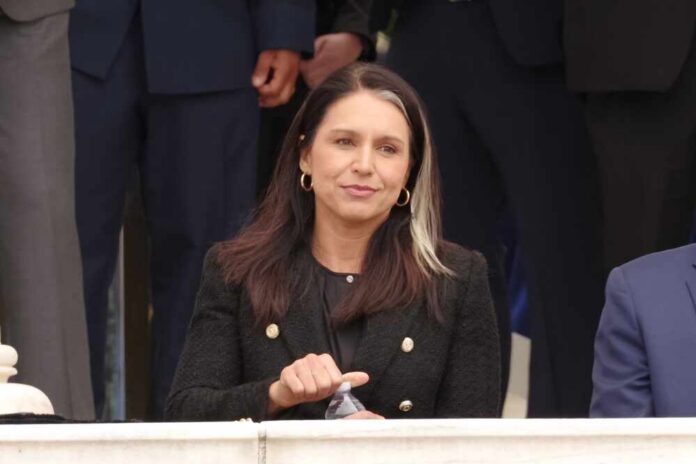
Among those who saw the request was Director of National Intelligence Tulsi Gabbard, an Iraq War veteran.[1][2][3] According to news accounts, Gabbard attended the official Memorial Day ceremony at Arlington, then walked to Section 60, visited Staff Sergeant Shaw’s grave, placed a challenge coin on the headstone, and took a picture for Sharrell Shaw.[1][2] Later, she shared the visit publicly, helping amplify the story further as it circulated among both supporters and critics of the current administration.[1][2]
Reporting also says Secretary of War Pete Hegseth visited the grave with his wife and children, paying respects and leaving tributes of his own.[1][2] Conservative journalist Nick Sortor reportedly posted video of himself laying roses there, while other attendees left flags, handwritten notes, and flowers.[2] As the day went on, Shaw’s notifications were flooded with images and messages from strangers honoring not only her husband but other fallen service members, with some even offering to buy her a flight so she could visit the grave herself.[2] These gestures show that ordinary Americans and officials alike can still unite around military sacrifice, even as every such act now plays out on a partisan stage.
From Personal Mourning to Viral Spectacle
Long before this viral moment, the United States Army had publicly recognized Sharrell Shaw as a Gold Star family member at a Memorial Day ceremony, reflecting her ongoing involvement in formal commemorations of fallen soldiers.[2] That history underscores that her Memorial Day plea did not come from nowhere; it was one more step in a years-long effort to ensure her husband’s sacrifice remains visible. Yet the latest coverage highlights how quickly such personal grief can be repackaged as content once social media engagement and political figures enter the story.[1][2]
Tulsi Gabbard posted this message after visiting the grave of Staff Sgt. Alan W. Shaw at Arlington National Cemetery on Memorial Day. Sharrell Anne Shaw (@SharrellAnne2), his widow, had shared that she couldn't make the trip herself and appreciated people stopping by to pay…
— Fiona Smith (@nidisdnikki) May 25, 2026
The available record has gaps that matter for readers who distrust government narratives from either side. The central details—Shaw’s wording, the exact engagement metrics, and the full timeline from post to visits—rest mainly on a small set of secondary news reports rather than archived platform data or official cemetery records.[1][2] There is no public counterevidence disputing the visits or the post, but there is also little primary documentation that independently verifies each step.[1] In an era when many Americans believe “the elites” spin every story, these verification gaps feed understandable skepticism.
What This Moment Says About the Country
Shaw’s own follow-up message reportedly emphasized that, for one day, people on social media “set aside the constant noise and negativity and united for something greater than themselves,” filling her feed with prayers, photos, and stories of other fallen heroes.[2] That sentiment resonates with Americans across the political spectrum who feel the federal government is failing them but still want to honor those who served. The response at Section 60 shows there is still a deep hunger to reclaim national rituals from the culture wars, even if only briefly.[2]
At the same time, the story illustrates a broader pattern: personal memorials increasingly become viral political media events shaped by platform algorithms and the actions of high-ranking officials.[1][2] For conservatives and liberals alike who worry that real sacrifice is being overshadowed by public-relations optics and social-media performance, this case cuts both ways. It offers a glimpse of genuine, cross-cutting respect, yet it also reminds us how quickly solemn moments are absorbed into the same polarized information ecosystem that has convinced many Americans their leaders care more about appearances than about serving the people those fallen soldiers swore to defend.[1][2]
Sources:
[1] Web – Gabbard honors wish of Gold Star Wife to visit husband’s grave at …
[2] Web – Fallen Soldiers honored during Memorial Day ceremony, graduation
[3] YouTube – #WelcomeHome Gold Star Wife Sharrell Shaw