President Trump’s tightly secured arrival in Dublin triggered sweeping road closures and a two-day schedule with Ireland’s leaders and a stop in County Clare.
Story Snapshot
- Trump landed in Dublin on September 12, 2026, for a two-day visit.
- Irish police planned rolling closures and large security cordons across the capital.
- The schedule included meetings with Ireland’s president and prime minister in Dublin.
- Trump planned to travel west to County Clare after official events in Dublin.
Arrival and Immediate Itinerary
President Trump arrived in Dublin on Saturday morning, September 12, starting a two-day visit that mixed diplomacy and public events. Reports outlined a morning arrival at Dublin Airport, followed by a welcome program and official meetings in the Phoenix Park area. The White House live page listed an arrival ceremony in Dublin, matching the public schedule for the day. Irish outlets said the plan then shifted west toward County Clare later in the weekend.
Local coverage and wire reports said Trump would meet President Catherine Connolly and the head of government during the Dublin stop. Those meetings fit standard protocol for a United States presidential visit. Outlets described courtesy events at Áras an Uachtaráin, the official residence, and separate talks with Ireland’s leader in government buildings. The visit balanced ceremony and policy discussions before the move toward Trump’s coastal property in Doonbeg.
Security Footprint Across Dublin
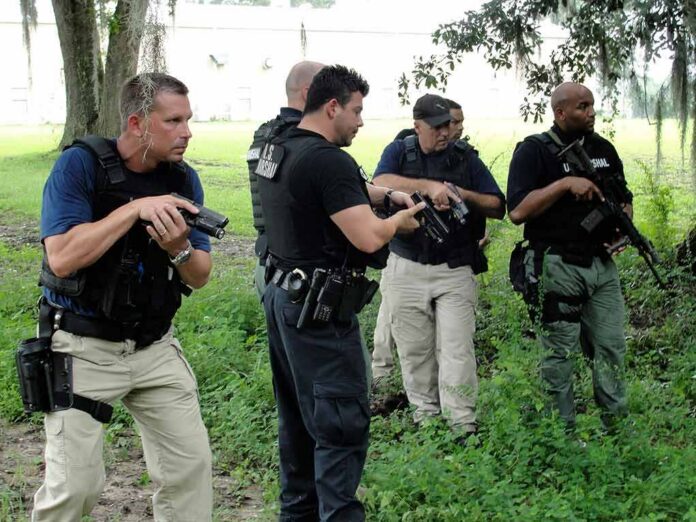
Irish police issued advance notices about road closures and security measures for September 12 and 13, tied to the presidential movements. Officials warned of rolling closures on the M50 motorway and other key routes during the morning arrival window and motorcade travel. National and international outlets described one of the largest security operations in recent memory, with layers of policing around Phoenix Park and airport corridors. These steps followed standard practice for high-risk visits by foreign leaders.
The pattern matched other recent high-profile visits to Dublin, where public records highlight closures, escorts, and restricted areas rather than detailed travel logs. That approach reflects safety rules that limit disclosure of real-time flight data and route specifics for heads of state. For residents, the visible impact came through traffic delays, transit changes, and reduced access to areas around Phoenix Park during the morning program and through the day.
Political and Diplomatic Context
Coverage framed the trip as a blend of protocol and politics, with formal meetings in Dublin before weekend events in County Clare. Reuters reported that Trump would meet Ireland’s leaders on Saturday, then attend a major golf tournament at his Doonbeg course, drawing added attention to the west coast. Irish media described weeks of planning by police and defense officials to guard venues, manage crowds, and protect routes across both counties.
When asked about the protests surrounding his arrival in Dublin, Trump brushed it off completely, claiming he hasn't seen a single demonstrator. pic.twitter.com/uS08QHladd
— Adnanos (@A_SX100) September 12, 2026
For many readers, the core stakes were simple and familiar. Leaders meet to keep ties stable, but the public bears the brunt of closures, cost, and disruption. The visit showed how modern security turns a capital city into a maze for regular people, even as officials promise order and safety. Supporters saw a show of alliance and respect. Critics saw spectacle and expense. The shared reality was heavy security to move one person from airport to meetings and then across the country.
Sources:
extra.ie, whitehouse.gov, bbc.com, garda.ie, local10.com, irishstar.com, rte.ie, thejournal.ie, usnews.com