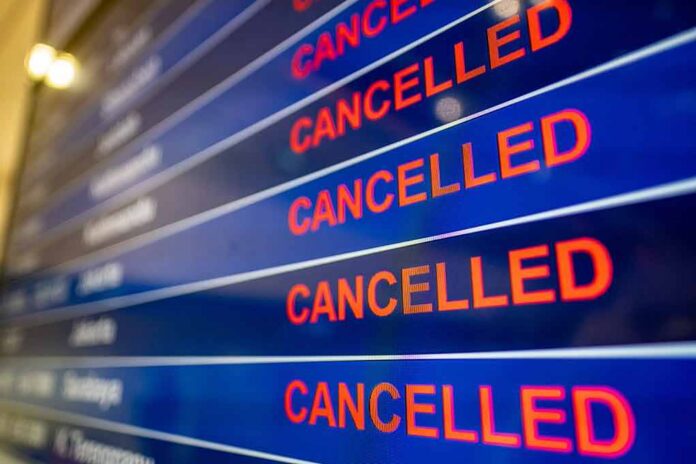
A single technical fault in the United Kingdom’s air traffic control system cascaded into 1,750 flight cancellations, proving how one glitch can upend an entire network even after the fix.
Story Snapshot
- United Kingdom air traffic officials restored automated systems the same day, but disruption lingered.
- Airlines and airports faced a long recovery as planes and crews fell out of position.
- Investigators tied the 2023 meltdown to bad flight plan data and issued fixes to prevent repeats.
- Ministers later said there was no sign of hostile or criminal activity in related outages.
Officials Restored Core Systems, But Schedules Lagged
United Kingdom air traffic control officials said the technical problem was fixed the same day, and the automated system returned to live service in the early afternoon. The Civil Aviation Authority recorded full restoration of automation around 14:27 to 14:32, after which regulators eased flow restrictions through the evening. Reuters reported the National Air Traffic Services operations lead warning that delays would continue as the network recovered, even with the fault cleared. That gap between a system fix and real-world normal is common after major disruptions.
Airlines faced a separate challenge once computers came back. Aircraft and crews were out of position. Gates and slots were jammed. Crews hit legal work hour limits. Even minor weather shifts compounded the backlog. Carriers needed time to reset rotations and rebook passengers. Airports then had to handle uneven surges as flights resumed in clumps. Officials said the recovery would take longer than the outage itself, which is typical for an event of this size.
What Went Wrong And What Was Fixed
Investigators studying the August 2023 meltdown found the root cause inside a flight plan processing system. The software could not remain fully operational when it received a specific combination of duplicate waypoint data tied to one valid flight plan from Los Angeles to Paris Orly. That failure halted automatic processing in both the primary and backup sub-systems. Engineers later produced a software patch to remove the same risk in the future. This finding guided later safeguards across systems.
Reports from aviation regulators also described how the network stepped down flow during the event to protect safety, then lifted those limits in stages after the fix. That careful approach kept aircraft separated and avoided compounding errors. The record shows a return to full automated operations, followed by gradual removal of restrictions as traffic stabilized. This timeline explains why passengers still saw long lines and cancellations even after officials declared the core system healthy.
No Sign Of Malign Activity, But Resilience Still Matters
United Kingdom ministers later addressed public concern about possible cyberattacks or sabotage in related events. The transport minister said there was no evidence of hostile or criminal activity. Instead, officials described the issues as technical faults that were contained and resolved. The focus has stayed on software fixes, better testing, and clearer restart playbooks to protect travelers and keep freight moving when rare glitches do occur.
NO COMPENSATION? UK flight chaos getting worse for stranded passengers.
More than 2,000 flights have been cancelled or delayed after a technical failure at NATS disrupted air traffic across the country.
Now comes the bad news: passengers are unlikely to receive compensation for… pic.twitter.com/lVAggbKIg7
— Ghauri Irfan (@Integral_IG) September 9, 2026
This story carries a wider lesson that crosses politics. Complex systems fail in real life, and the system can be “up” while people still suffer. The government’s job is not only to fix code but to speed the human recovery. That means faster passenger care, clearer communication, and backup plans that move planes and crews into place sooner. Regulators documented the fix-and-recover phases here. The next test is how well those lessons reduce chaos the next time the screen blinks.
Sources:
youtube.com, reuters.com, caa.co.uk, eutoday.net