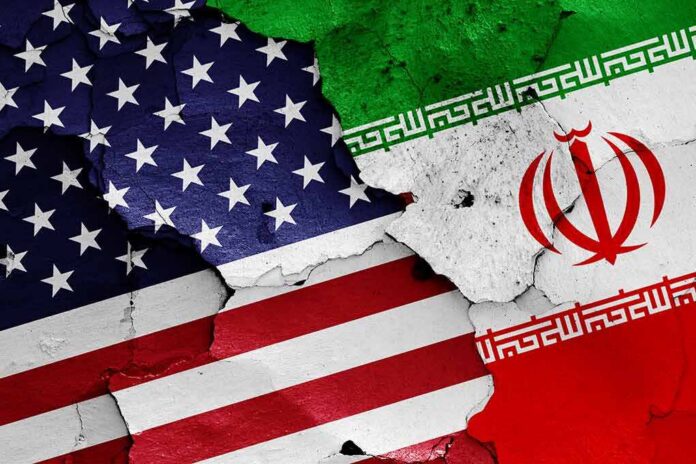
Qatar says United States–Iran talks are still alive, even as front-line fighting and shipping risks grind on.
Story Snapshot
- Qatar confirms indirect United States–Iran talks continue through technical meetings.
- Mediators report “positive” or “encouraging” steps, though no final deal is set.
- United States envoys met mediators in Doha; Iran avoided direct, high-level meetings.
- Talks focus on ending the war and easing maritime and regional tensions.
Qatar Confirms the Channel Remains Open
Qatar’s Foreign Ministry said indirect talks between the United States and Iran are still underway. Officials described ongoing “technical” meetings that keep the process moving, even without face-to-face, high-level sessions. The goal remains an end to the regional war and steps to lower risk at sea and on land. Qatar has carried messages and hosted delegations in Doha across several rounds this summer, reinforcing its role as a key go-between for Washington and Tehran.
Qatari and Pakistani mediators said separate meetings with United States and Iranian teams produced progress. Their statements pointed to work tied to a prior memorandum and draft language under review. While they did not share full details, they said the parties made headway on next steps. These reports echo earlier updates that described “very progressive” stages in contacts, even as violence and mistrust make each new step hard to secure and verify on the ground.
Envoys in Doha, But No Direct United States–Iran Sit-Down
United States special envoy Steve Witkoff and senior adviser Jared Kushner traveled to Doha for talks with mediators, not Iranian officials. Qatar’s spokesman said there were no high-level United States–Iran meetings under the agreed mechanism at that time. Iran also signaled it would not meet the United States envoys directly. This format matches past Gulf “shuttle” efforts, where mediators pass proposals and edits back and forth to narrow gaps.
Vice President JD Vance said discussions in Doha were “going well” and suggested nuclear issues would enter the talks soon. His comments showed the White House sees value in the technical track to open harder files later. Still, news reports from the same period stressed that a lasting peace remained out of reach. That gap between cautious optimism and outcomes reflects how talks can move on paper while conflict dynamics on the ground still flare.
What the Talks Aim to Solve and Why It Is Hard
Negotiators are working on a package that links a ceasefire path, shipping safety, and steps that both sides can accept. Maritime security in and near the Strait of Hormuz, cross-border strikes, and proxy activity all raise the stakes. Each point has sequencing problems: who moves first, how to verify it, and what to do if one side stalls. Even with momentum, these sticking points often slow progress or force new drafts before leaders sign off.
5 AM Bottom-of-the-Hour News
U-S officials say talks with Iran have been positive, with Qatar heavily involved. President Trump says more oil is flowing.: “You know we took more oil out of the Hormuz Strait over the last couple of days than at any point in history, including… pic.twitter.com/ro2W3qMvvA
— Worldwide News Network (@WorldwideNNX) September 30, 2026
Qatar’s role fits a long pattern of Gulf mediation. Doha hosts talks, passes messages, and keeps working channels open with both Washington and Tehran. That access lets Qatar keep the process alive when tensions spike. For Americans who worry about endless wars, and for Iranians who want relief and stability, these quiet steps matter. But for families and shippers who face daily risk, only a firm deal with clear enforcement will change life on the ground.
Sources:
insiderpaper.com, reuters.com, dw.com, aljazeera.com, bbc.com