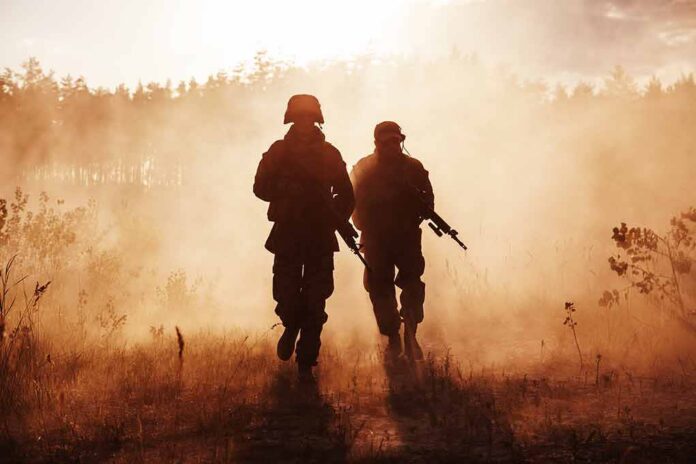
Washington confirmed U.S. and Ecuadorian troops began joint operations inside Ecuador to hit drug-terror groups on March 3, 2026, opening a new front in Latin America.
Story Highlights
- U.S. Southern Command said joint operations with Ecuador launched on March 3, 2026.
- Reports describe American special operations troops advising and supporting Ecuadorian forces.
- Officials frame targets as “designated terrorist organizations” tied to drug trafficking.
- Scope and roles were announced broadly, while fine-grain details remain limited.
What Officials Announced About The Mission
U.S. Southern Command said Ecuadorian and American forces launched operations in Ecuador on March 3, targeting groups the United States lists as terrorist organizations that run drug routes and violent rackets. Reuters reported the same day that the announcement confirmed joint action but did not offer details on unit names, numbers, or exact locations. The framing makes clear the mission links counter-narcotics and counterterror labels, which often guide how funding, intelligence, and legal authorities are used in the field.
Major outlets said the operation marks a visible expansion of U.S. activity in the region under President Trump, who has pushed harder moves against cartels and allied gangs abroad. The Wall Street Journal and other reports echoed that the Pentagon cast the effort as support to a partner state in crisis, not a solo U.S. campaign. A Southcom release praised Ecuador’s forces and stressed partnership, a common theme when Washington backs a foreign military’s lead role.
What We Know About Forces And Roles
Coverage describes American commandos working alongside Ecuadorian units, with U.S. advisors helping plan and support raids aimed at cartel-linked hubs. One report highlighted intelligence, surveillance, and air mobility support as part of the package, tools that often tip the balance against fast-moving gangs. A December 2025 post from U.S. Special Operations Command South highlighted past joint work in Esmeraldas, showing a build-up of ties and tactics that led into the March expansion.
The United States and Ecuador have cooperated on security for years, but this step brought acknowledged, on-the-ground U.S. involvement against networks inside a partner’s borders. Analysts noted the launch fit a pattern seen across the region: a partner government facing rising violence invites U.S. help, and early statements stress urgency more than the fine print on rules and limits. That does not make the claims suspect; it reflects how governments roll out time-sensitive missions while holding back sensitive details.
Why Ecuador Asked For Help Now
Ecuador’s security slide has been sharp. Newsrooms traced the shift from a calmer nation to one battered by cartel-linked killings, prison massacres, and brazen attacks, including a televised hostage-taking in 2024. The New York Times said Ecuador requested U.S. help to counter gangs that moved in as cocaine routes shifted and local groups tied themselves to larger networks. Leaders in Quito have sought outside support to restore control of key ports, border corridors, and coastal zones used by traffickers.
U.S. officials argue that stopping drug pipelines far from American shores helps reduce the supply fueling addiction and gang cash inside the United States. They also say stronger partner forces lower the chance that cartels use weak states as safe havens. Supporters of the mission see a clear interest on both sides: Ecuador needs training, gear, and intelligence, while the United States wants to disrupt the business model of violent cross-border groups.
What This Means For Americans Watching Washington
Many readers on the right and the left worry that Washington acts first and explains later. This rollout checks some of those boxes. The government confirmed joint action and goals, yet it kept tight control of details about authorities, oversight, and timelines. Supporters call that operational security. Critics call it mission creep risk. Both agree results should be measured in safer streets in Ecuador and fewer drugs reaching U.S. towns, outcomes voters can see and feel.
Americans frustrated by endless spending, rising crime, and a sense of elite drift will watch two things next. First, whether Ecuadorian communities see less violence as partnered raids continue. Second, whether U.S. involvement stays targeted and accountable. Clear reporting on arrests, seizures, and any civilian impact will matter. So will Congress asking straight questions about cost, rules of engagement, and exit conditions. Strong results with guardrails can earn trust; silence cannot.
Sources:
nytimes.com, bbc.com, southcom.mil, riotimesonline.com, armyrecognition.com, cnn.com, facebook.com, reuters.com, cbsnews.com