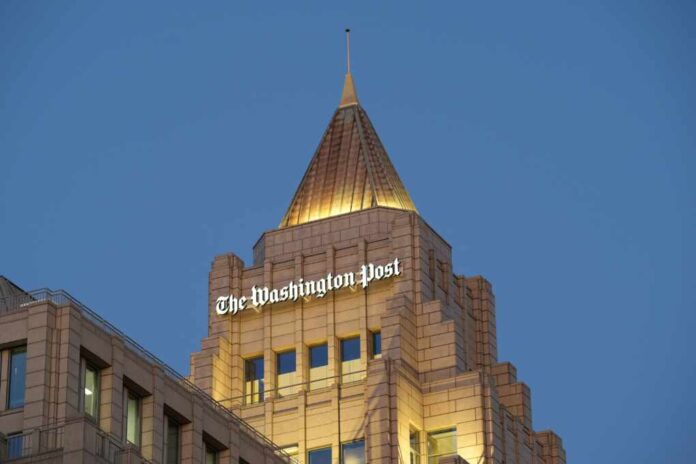
FBI agents raided a Washington Post reporter’s home, seizing devices in a rare move that raises alarms about government overreach even as it targets dangerous classified leaks.
Story Snapshot
- FBI searched Hannah Natanson’s Virginia home on January 15, 2026, taking her phone, laptops, and watch amid a leak probe.
- Attorney General Pam Bondi defends the action as essential to stop illegal leaks from a Pentagon contractor now in custody.
- Trump administration reversed Biden-era journalist protections to prioritize national security over unchecked disclosures.
- Press advocates cry intimidation, but facts show the reporter received classified info from an arrested leaker.
- Rare home raid underscores balance between First Amendment and protecting America from security threats.
Raid Details and Seizure
On January 15, 2026, FBI agents entered Hannah Natanson’s Alexandria, Virginia residence. They seized her phone, two laptops—one personal and one from the Washington Post—and a Garmin watch. Natanson covers Trump administration efforts to restructure the federal government. The search targeted evidence of classified information leaks, not Natanson herself as a suspect. This residential raid stands out as exceptionally rare in U.S. history, even compared to past leak hunts.
Underlying Leak Investigation
Aurelio Perez-Lugones, a Maryland government contractor, faces charges for illegally retaining classified materials. Court documents reveal he printed sensitive Pentagon reports at work. Agents found these at his home a week before Natanson’s raid. Perez-Lugones messaged Natanson around his arrest. Attorney General Pam Bondi stated the Defense Department requested the search because Natanson obtained and reported illegally leaked classified data from this incarcerated contractor.
Trump Administration’s Security Stance
The Trump administration prioritizes national security by cracking down on leaks that endanger troops and intelligence. In April 2025, AG Bondi overturned Biden’s rules shielding journalists from source disclosure demands. White House Press Secretary Karoline Leavitt affirmed President Trump’s zero-tolerance policy: leaking classified info jeopardizes military heroes. This reverses weak protections that allowed dangerous disclosures under prior leadership, restoring accountability for those who break oaths.
Conservatives applaud this firm approach after years of globalist laxity that fueled overspending and vulnerability. Protecting secrets upholds constitutional duties to defend the nation, countering leftist narratives that equate leaks with transparency. Real accountability demands prosecuting leakers, not shielding them behind press claims.
Press Response and Legal Pushback
Washington Post Executive Editor Matt Murray called the raid deeply concerning constitutional protections but vowed no intimidation. The Reporters Committee for Freedom of the Press seeks to unseal the search affidavit in Virginia court. Advocates like Bruce D. Brown label it an escalation on press independence. Yet government restrictions on journalist searches exist for cause, and the affidavit remains sealed, limiting full review. Jameel Jaffer questions timing post-contractor search.
Press freedom advocates worry that raid on Washington Post journalist’s home will chill reportinghttps://t.co/Shv63nrTCj pic.twitter.com/mgs8S2txma
— The Washington Times (@WashTimes) January 16, 2026
This rare action signals to sources the risks of illegal leaks. While press groups warn of chilling effects, national security demands swift response to threats. The public benefits from secure government operations, not unchecked exposure of secrets that aid enemies. Balancing rights requires courts to scrutinize but not obstruct justified probes. Ongoing developments will clarify the affidavit’s basis.
Sources:
Axios: FBI raid on Washington Post reporter Natanson
Los Angeles Times: Press freedom advocates worry that raid on Washington Post journalist’s home will chill reporting
Poynter Institute: Washington Post reporter raided by FBI
Democracy Now!: Trump free speech concerns