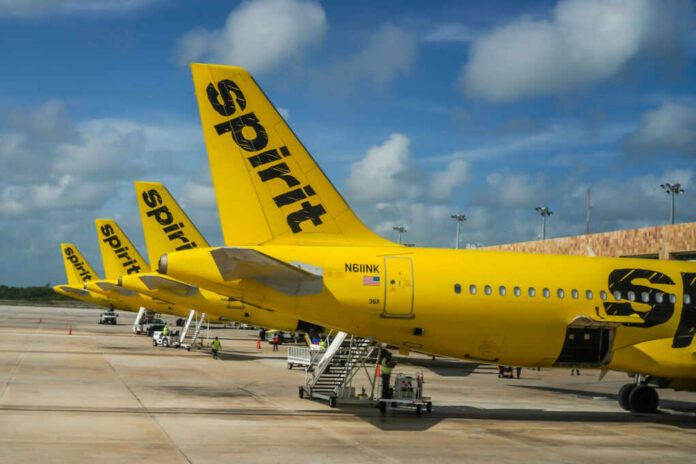
Spirit Airlines did not collapse from one clean cause; it got hit by two government decisions that made a weak business far harder to save.
Quick Take
- Spirit said its shutdown followed a sharp rise in fuel prices and other business pressures.
- Trump administration officials blamed Biden-era antitrust policy for blocking the JetBlue deal.
- The airline had already been in deep trouble, with two bankruptcy filings and heavy debt.
- Analysts and media reports describe the fuel spike as the final blow, not the only reason.
Fuel Costs Pushed Spirit Over the Edge
Spirit’s own explanation for the shutdown pointed to a sudden jump in fuel prices and added pressure on the business. Multiple reports said the airline tied its wind-down to fuel costs linked to the Iran war, and one account quoted Spirit saying the rise in fuel prices left it with no good option but to shut down. Reuters also reported that the industry expected higher fuel costs to hit budget carriers hardest.
That matters because Spirit was built on thin margins. When fuel costs rise fast, a low-cost airline has little room to absorb the hit. Reports on the jet fuel market said prices surged after the Middle East conflict and stayed well above pre-crisis levels, which made the shock hard to ignore. Even so, the fuel spike only explains the timing of the collapse. It does not erase Spirit’s earlier losses, debt, and repeated restructuring problems.
The Airline Was Already Fragile
Spirit had already filed for bankruptcy twice and had been losing money for years before the final shutdown. One report said the airline had not turned a profit in seven years and had the worst margins in the United States airline industry. Other coverage said Spirit was in dire shape before the Iran conflict and had failed to build a stable path back to health. That makes the fuel spike look like a trigger, not the only cause.
Critics of Spirit’s management point to basic business failures. Coverage cited weak restructuring, poor cost cuts, and a model that could not handle higher fuel and labor costs. Some accounts also pointed to earlier strategic problems, including a costly headquarters project and operational strains tied to engine issues. Those details do not cancel out the fuel shock. They show why the airline was so exposed when the market turned against it.
The Biden and Trump Angles Both Mattered
The Biden-era role centers on antitrust policy. The Department of Justice blocked JetBlue’s bid for Spirit, and Trump administration officials later said that decision removed a rescue path that could have saved jobs and value. Supporters of that view argue that a merger might have given Spirit more scale and more room to survive. But the same sources also note that the combined airline would still have faced serious problems.
The Trump-era role centers on fuel prices. Several reports said Spirit blamed the Iran war for the fuel shock that broke its recovery plan. Even writers who rejected a simple blame game still said both administrations worsened Spirit’s outlook in different ways. That is the clearest read of the evidence: Biden’s antitrust block narrowed Spirit’s options, while Trump-era war costs made the clock run out faster.
Why the Story Resonates Beyond One Airline
Spirit’s fall fits a larger pattern in American business. Big government calls can shape markets long before a crisis becomes visible, and weak companies often survive only until the next shock arrives. In this case, one set of decisions limited consolidation, while another helped drive up a key cost. That combination matters to readers who feel elite policy choices are made far from the people who live with the damage.
Sources:
youtube.com, gfmag.com, aljazeera.com, reddit.com, travelweekly.co.uk, facebook.com, cnbc.com, business.gwu.edu, reuters.com, cirium.com