The Trump administration’s latest immigration crackdown in Minneapolis has sparked heated protests and raised questions about government overreach and the use of deadly force.
Story Highlights
- A mother of three, Renee Nicole Good, was fatally shot by ICE agents, fueling protests.
- The incident is part of a larger immigration crackdown under the Trump administration.
- Protests have escalated, resulting in several arrests and injuries among law enforcement.
- Federal and local authorities are at odds over the handling of the situation.
Escalating Tensions in Minneapolis
On January 7, 2026, ICE agent Jonathan Ross shot and killed Renee Nicole Good during an immigration enforcement operation in Minneapolis. Good, a local resident and mother of three, allegedly attempted to ram officers with her SUV, prompting the fatal response. This incident has ignited widespread protests, echoing sentiments from the 2020 George Floyd protests due to its proximity and similar themes of perceived excessive force by authorities.
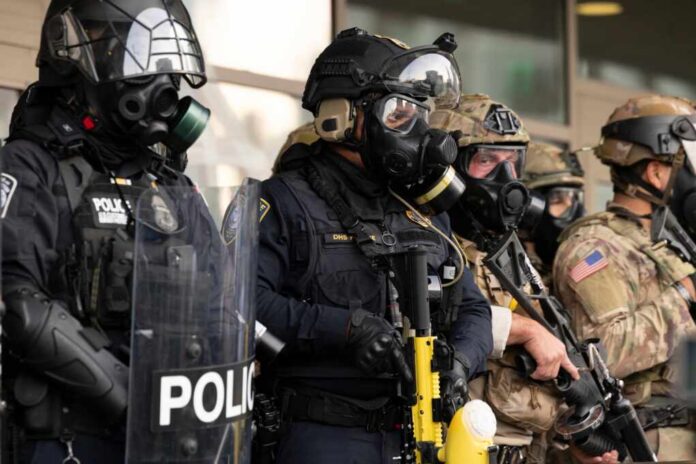
In the weeks following Good’s death, Minneapolis has been a flashpoint for tensions between federal immigration enforcement and local officials. The Trump administration has ramped up its immigration crackdown efforts, marking this as one of the largest operations in Minneapolis/St. Paul, resulting in over 2,500 arrests. Protests have swelled, with demonstrators decrying the ICE presence and the use of deadly force in residential areas.
Renee Good was a U.S. citizen. A mother of three. She was likely afraid of being shot.
ICE murdered her. No one should have to live in fear of being shot by rogue, trigger-happy immigration enforcement agents. But what happened yesterday shows this can happen to anyone. pic.twitter.com/eaGgyYIGX6
— Congresswoman Sydney Kamlager-Dove (@RepKamlagerDove) January 8, 2026
Protests and Government Response
The situation escalated on January 24, when a Border Patrol agent fatally shot a 37-year-old male U.S. citizen protester who reportedly resisted arrest while armed. The same day, an ICE officer had a finger bitten off during a confrontation with a protester. Such incidents have led to the deployment of the National Guard to maintain order as protests continue. Federal officials, including DHS and ICE representatives, have framed the violent responses as necessary measures against agitators threatening officer safety.
Local leaders, including Minneapolis Mayor Jacob Frey and Governor Tim Walz, have criticized the federal approach. They argue that the aggressive tactics and presence of federal agents have only exacerbated tensions, calling for a more measured response and the withdrawal of ICE forces from the city. The clash between federal and local authorities highlights the ongoing debate over immigration policies and community safety.
The Broader Implications
This unfolding situation in Minneapolis reflects broader national debates about immigration enforcement and the balance between federal authority and local governance. The events have sparked a dialogue about the appropriate use of force and the impact of federal policies on local communities, particularly in diverse areas with significant immigrant populations. As protests persist, the potential for legal challenges and further unrest looms, with both short-term and long-term implications for community relations and policy-making.
While federal officials maintain their stance on the necessity of such operations for national security, local leaders and community members continue to advocate for more humane approaches to immigration enforcement. The situation remains fluid, with ongoing investigations into the incidents and continued calls for accountability and reform.
Sources:
Anti-ICE agitator allegedly bites off federal officer’s finger during Minneapolis attack
At least 4 alleged anti-ICE agitators arrested in Minneapolis amid protests, agency says
Shooting is reported in Minneapolis where feds are conducting immigration crackdown
Deadly Minneapolis shooting puts White House on defense