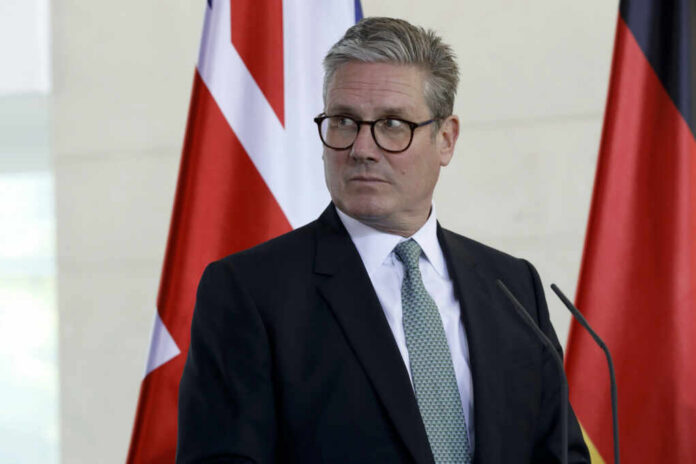
UK Prime Minister Keir Starmer’s office bulldozed security protocols to ram through a crony’s ambassador appointment, exposing elite disdain for due process that erodes public trust in government worldwide.
Story Snapshot
- Number 10 applied constant pressure on the Foreign Office in January 2025 to fast-track Peter Mandelson’s vetting as UK Ambassador to the US, ahead of the inauguration.
- Sir Olly Robbins, former Foreign Office head, testified on April 21, 2026, to an “atmosphere of constant chasing” via frequent calls prioritizing speed over concerns.
- Mandelson cleared as a “borderline case” despite initial refusal lean; Starmer announced the role pre-vetting as a done deal, then sacked Robbins claiming ignorance.
- No 10 denies dismissiveness, but testimony reveals power overriding civil service independence, fueling cronyism accusations.
Pressure from Number 10
Sir Olly Robbins testified before the Foreign Affairs Select Committee on April 21, 2026, revealing Number 10’s relentless campaign throughout January 2025. Downing Street’s private office made very frequent phone calls to the Foreign Office and Foreign Secretary’s office, demanding updates on Peter Mandelson’s Developed Vetting (DV) clearance. The inquiries focused on “when will this” be delivered, creating an atmosphere of constant chasing to appoint him UK Ambassador to the US before the presidential inauguration. This haste disregarded initial vetting concerns.
Borderline Vetting and Political Haste
Peter Mandelson, a veteran Labour politician, emerged as a borderline case in the high-level DV process, which screens for risks like foreign influences or personal vulnerabilities. The Foreign Office initially leaned toward refusal but approved clearance with managed risks. Prime Minister Keir Starmer announced the appointment before full vetting, treating it as a done deal. Mandelson received his contract and posting letter to Washington shortly after, despite protocols requiring clearance first. This sequence underscores political urgency trumping procedural integrity.
Starmer’s Sacking and Denials
Starmer sacked Robbins recently, expressing shock that he received no notification of vetting issues. No 10 rejects accusations of dismissiveness, distinguishing routine chasing from undermining the process. Robbins defended his sign-off, emphasizing manageable risks over outright failure. The committee pressed on whether pressure filtered down to vetters. This clash highlights tensions between political timelines and civil service caution, with paperwork on No 10’s “at pace” demands now due for disclosure.
Robbins’ testimony contrasts Starmer’s narrative, portraying Number 10 overriding departmental warnings. The inquiry continues amid broader scrutiny of Labour’s appointment practices, echoing past fast-tracks for allies that lacked such fallout. Foreign Office morale suffers post-sacking, raising questions about civil service independence.
Implications for Trust and Diplomacy
The scandal damages Starmer’s credibility on national security, arming opposition with cronyism charges. Long-term, it may spur vetting reforms and intensify civil service-PM frictions. UK-US relations face scrutiny if Mandelson’s risks materialize, especially under President Trump’s America First stance. This episode resonates across the Atlantic, where Americans on both sides decry elite insiders—be they deep state bureaucrats or Labour cronies—prioritizing power over the people’s safeguards and founding principles of accountable governance.
Sources:
Ex-UK official says he felt pressure over Mandelson from PM’s office