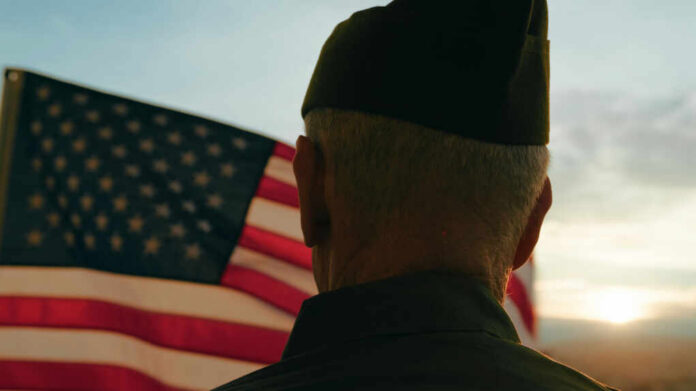
When a Vietnam veteran died with no known next of kin, Americans proved that “no one left behind” still means something—showing up by the hundreds to become his family for a day.
Story Snapshot
- In Springfield, Illinois, a public call for mourners for Vietnam veteran Robert Neff drew more than 300 people to his funeral at Camp Butler National Cemetery.
- The Department of Veterans Affairs coordinates burials for unclaimed veterans nationwide, providing headstones, military honors, flags, and other formal recognition.
- Groups like Patriot Guard Riders and local honor guards regularly attend “unaccompanied” ceremonies to ensure veterans are not buried alone.
- State-led efforts such as New Mexico’s “Forgotten Heroes Funeral” program have buried dozens of unclaimed veterans in a single ceremony.
A Public Invitation Turned Into a Patriotic Turnout
Robert Neff, a 79-year-old Vietnam veteran in Springfield, Illinois, died with no known family, and organizers publicly invited the community to attend his service. On May 27, 2025, the response overwhelmed expectations: more than 300 people reportedly arrived at Camp Butler National Cemetery, including locals, active-duty personnel, honor guards, and veteran-support groups. Organizers said they would have been grateful for a small crowd—but instead watched the community step in as a stand-in family.
That turnout matters because it highlights a quiet problem many families recognize but rarely talk about: aging veterans can become isolated, and some pass away without anyone able to claim them or arrange a service. The viral nature of these stories can make them look like one-off miracles, but the underlying issue is recurring. The difference in Neff’s case was the public invitation that turned a normally private burial into a shared civic moment.
How Unclaimed Veteran Burials Work—and What the VA Actually Does
The Department of Veterans Affairs has an established process for unclaimed veterans’ remains, working through national cemeteries and partner contacts to confirm eligibility and provide proper burial. VA efforts include headstones or markers, military funeral honors, a burial flag, and documentation recognizing service. VA staff also coordinate outreach to improve identification and contact potential custodians, and they have worked on updates affecting reimbursements tied to caskets or urns.
This is one of those areas where bureaucratic competence is not just a talking point—it affects whether an American veteran receives dignity at the end of life. The research shows VA personnel describing their role as being a voice for veterans who cannot advocate for themselves, and local ceremonies can draw both military and civilians. The available materials do not provide a national count of unclaimed veteran cases in this snapshot, so the scale is difficult to quantify from the sources provided.
“Unaccompanied” Ceremonies Are More Common Than Most Americans Think
Outside of viral cases, national cemeteries also hold organized “unaccompanied” or group ceremonies, including scheduled events such as those described at Fort Sam Houston. These services ensure veterans are interred with formal respect even when no relatives are present. Participants can include cemetery staff, military honor details, volunteers, and patriot organizations. The consistent message across these events is straightforward: biological family is not the only measure of whether a veteran is remembered.
Volunteer groups play a practical role here. Patriot Guard Riders and similar networks escort, stand watch, and help fill the gaps when attendance might otherwise be minimal. The research references large volunteer participation at multiple ceremonies, including a New Mexico event that drew more than 120 Patriot Guard Riders. This isn’t politics in the partisan sense—it’s community muscle memory, where ordinary Americans insist that service deserves acknowledgment regardless of a person’s social circumstances.
States and Communities Are Building Models That Deserve Replication
New Mexico’s “Forgotten Heroes Funeral” program illustrates what happens when a state treats this as an ongoing responsibility rather than an occasional headline. In 2023, the program buried 52 unclaimed veterans at Santa Fe National Cemetery in a single ceremony. The research describes the program as a unique statewide effort, though the claim of being the “only” such model is not independently verified in the provided material. Even with that limitation, the framework is clear: consistent planning plus community participation.
In New Hampshire, another well-attended funeral involved a WWII Navy veteran, with more than 200 people reportedly showing up. Together with the Illinois case, these examples underline a theme that resonates with many conservative Americans: when institutions falter or family networks collapse, civil society still has the power to step in. The most durable answer is not another slogan, but repeatable local coordination—VA processes, cemetery planning, and volunteer turnout.
A Veteran Had No Family at His Funeral, So America Came Instead https://t.co/K5JJBKabhy
— Tewkeslady (@TewkesladyofFL) March 10, 2026
As President Trump’s administration focuses on restoring competence and prioritizing Americans at home, these stories land as a reminder of what should never be “optional” in the national character. The research does not document new post-2025 updates for Robert Neff specifically, but it does show ongoing VA outreach and scheduled unaccompanied ceremonies. For readers frustrated by years of cultural division, this is a rare, verifiable point of unity: Americans still show up for those who served.
Sources:
Burial and honor for unclaimed Veterans
They didn’t know him, and he didn’t know them, but that …