

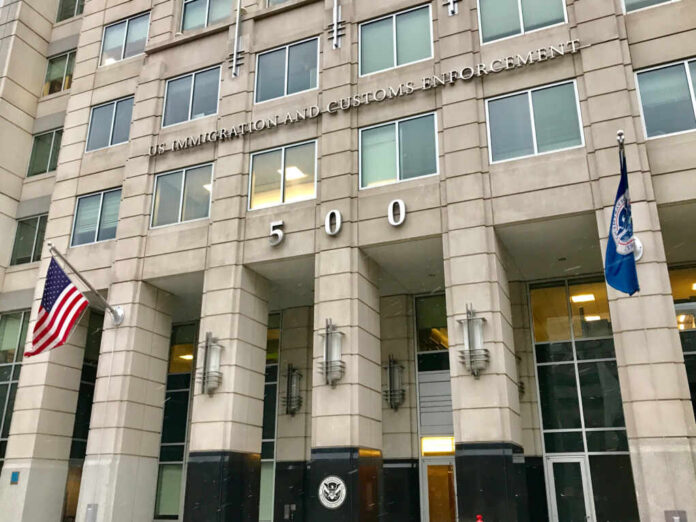
A whistleblower exposes illegal directives within the DOJ, renewing calls to abolish ICE.
Story Highlights
- Erez Reuveni, a senior DOJ attorney, becomes a whistleblower after exposing illegal directives.
- Reuveni’s disclosures reignite national debate about ICE’s role and effectiveness.
- The whistleblower case has prompted congressional inquiries and public scrutiny.
- Advocates and lawmakers are calling for the abolition of ICE.
DOJ Whistleblower Exposes Unlawful Directives
In an unexpected revelation, Erez Reuveni, a senior attorney at the Department of Justice, has brought to light illegal directives concerning immigration enforcement. Reuveni, who said he refused to comply with the orders, alleged that DOJ and Department of Homeland Security (DHS) officials engaged in actions that contradicted court orders and misrepresented facts. According to Reuveni and his legal counsel, his disclosure was followed by a suspension and termination. The case has also reignited national debate over ICE’s legitimacy.
The whistleblower’s allegations suggest that deportation priorities may have been placed above established legal standards, a concern raised by immigration law scholars such as Shoba Sivaprasad Wadhia of Penn State Law. Reuveni’s case has gained significant attention, leading to his disclosure being submitted to Congress. The redacted whistleblower disclosure, made public in June 2025, has put ICE and DOJ leadership under intense scrutiny.
Renewed Calls for Abolishing ICE
Reuveni’s disclosures have reignited calls to abolish ICE, with advocates and lawmakers arguing that the agency’s practices are incompatible with the rule of law. ICE, established in 2003, has faced criticism over the years for its enforcement tactics, which include family separations and workplace raids. Under the Trump administration, these calls intensified, highlighting the agency’s controversial role in immigration enforcement.
The whistleblower’s revelations coincide with a broader shift within the DOJ, which has expanded its whistleblower program to include immigration violations. This expansion aims to incentivize internal reporting and reflects a shift from civil to criminal enforcement. As these policies unfold, the future of ICE remains a contentious issue, with its practices increasingly challenged.
Implications for Immigration Enforcement
Reuveni’s case is currently under review by congressional committees and the DOJ Office of Inspector General, with analysts noting it could influence how whistleblower claims are handled in immigration enforcement. The revelations have also intensified tensions between federal and state authorities regarding cooperation with ICE. States like Colorado are facing lawsuits over alleged illegal cooperation with the agency.
Pam Bondi just pulled the PIN… it’s happening…
A whistleblower has reportedly stepped forward and handed FBI Director Kash Patel the kind of evidence that changes everything…
Top judges bribed using migrant trafficking funds…
It's also reported that evidence now sits… pic.twitter.com/v9XlCPR4m9— Observing Consciousness (@holonabove) May 18, 2025
Policy analysts such as Muzaffar Chishti of the Migration Policy Institute argue that ongoing scrutiny of ICE and DOJ practices reflects wider debates over immigration enforcement in the United States. As the public debate continues, the role of ICE and its future remain uncertain, with potential legislative reforms on the horizon.
Sources:
DOJ Expands Whistleblower Program
Whistleblower Disclosure Document
Colorado Lawsuit Over ICE Cooperation
Know Your Rights: Expedited Removal