
A new policy threatens to cut off SNAP benefits for noncitizens, raising concerns about food security and potential economic impacts.
Story Highlights
- New legislation, H.R. 1, tightens SNAP eligibility rules for noncitizens.
- Undocumented immigrants are generally ineligible for SNAP; most benefits aid U.S. citizen children.
- Advocacy groups warn of increased food insecurity among affected populations.
- State-level implementation of new rules is inconsistent, causing confusion.
SNAP Eligibility Changes Under New Legislation
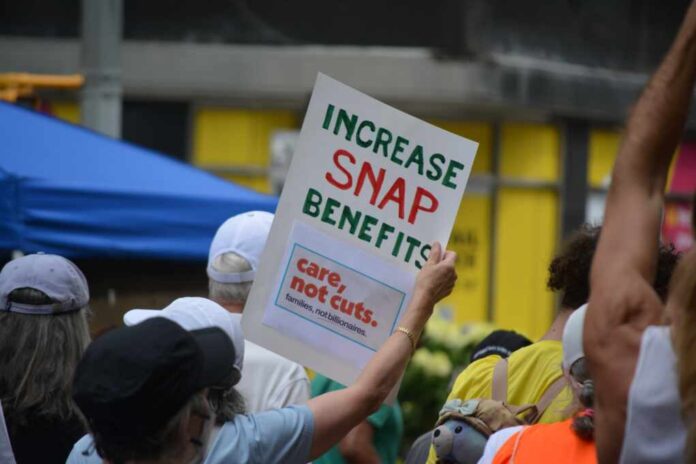
On November 1, 2025, new restrictions on the Supplemental Nutrition Assistance Program (SNAP) took effect, significantly impacting noncitizen eligibility. The changes, part of the H.R. 1 legislation, exclude many noncitizens, including refugees and asylums, from accessing food benefits. This move has been met with concern from advocacy groups, who fear the economic and social consequences of increased food insecurity among vulnerable populations.
🚨BREAKING: Agriculture Secretary Brooke Rollins has officially BANNED illegal aliens from receiving SNAP and food stamp benefits, following Trump’s orders.
Do you support this?
YES or NO? pic.twitter.com/xJUF7VtUjx
— Right Pulse News (@RightPulseNewss) October 2, 2025
Debunking Claims of Widespread Abuse
Despite allegations of undocumented immigrants exploiting SNAP, evidence shows that these individuals are generally ineligible for the program. Most benefits in noncitizen households support U.S. citizen children. Government and independent research debunk claims of widespread fraud, highlighting that most SNAP recipients are eligible and that fraud rates are low, often stemming from administrative errors rather than intentional abuse.
Advocacy and policy groups agree that the narrative of undocumented immigrants “milking” SNAP is inflated. The real impact of recent legislative changes is felt by legal noncitizens and mixed-status families who now face stricter eligibility criteria, threatening their food security.
Economic and Social Impacts
The economic implications of the SNAP eligibility changes are significant. Each dollar spent under SNAP generates approximately $1.50 in economic activity. The cuts could harm local businesses, especially in rural areas where SNAP spending is a vital part of the economy. Socially, these changes may increase hardship for vulnerable populations, including refugees and asylees, potentially straining charitable organizations that provide food assistance.
As states work to interpret and enforce the new rules, inconsistent application could lead to further confusion and exclusion of eligible recipients. Advocacy groups continue to press for clarity and reversal of overly restrictive interpretations, emphasizing the legal and humanitarian obligations to support those in need.
Sources:
SNAP: A Survival Lifeline for Refugees and Immigrants Will End on November 1
Illegal Immigrants to Be Hit Hard as SNAP and WIC Benefits Expire
Shutdown Reveals Illegal SNAP Scam
Fact-Checking Immigrants’ Health Care and the 2025 Tax and Budget Law