

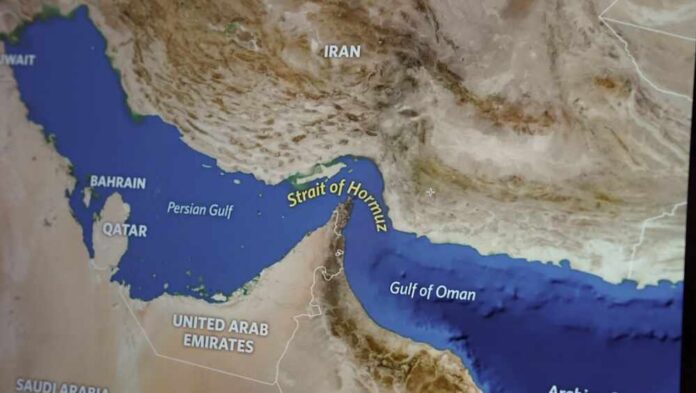
President Trump’s sudden pause of “Project Freedom” raises a high-stakes question: is the U.S. securing a tough Iran deal—or handing Tehran a window to regroup in the world’s most important oil chokepoint?
Quick Take
- Trump paused U.S. naval escorts through the Strait of Hormuz less than 48 hours after launching “Project Freedom,” while keeping a broader blockade on Iranian ports in place.
- The administration says negotiations are making “great progress,” with Pakistan and other intermediaries urging a pause to create space for a final agreement.
- Iran’s recent attacks on ships and U.S. naval vessels drove the escort mission; the Pentagon reported Iranian ships were sunk and crew members died during the clashes.
- The move spotlights a familiar Washington tension: executive-branch war powers, congressional oversight, and the public’s fatigue with open-ended conflicts.
Why Trump Hit Pause After Launching Naval Escorts
President Trump announced a temporary halt to “Project Freedom,” the U.S. operation designed to escort commercial ships through the Strait of Hormuz after a spike in Iranian-linked attacks. Administration messaging emphasized that the pause is tied to progress toward a “complete and final” agreement and that the broader U.S. pressure campaign remains intact, including restrictions and a blockade posture aimed at limiting Iran’s leverage over shipping lanes.
Defense Secretary Pete Hegseth publicly framed the escort mission as narrow and defensive, separating it from wider combat operations that began earlier in the conflict with U.S.-Israeli strikes on Iranian military and infrastructure sites. That distinction matters domestically because it influences how the White House describes the legal and political footing for military action, especially when timelines approach the window that historically triggers sharper congressional scrutiny.
What Set Off “Project Freedom” in the Strait of Hormuz
Iran’s pressure tactics around the Strait of Hormuz sit at the center of the crisis because the passage handles a significant share of global oil trade and is vulnerable to disruption. In early May, attacks on vessels near the strait and clashes involving U.S. forces drove the U.S. to begin escorting commercial traffic, with reports of Iranian ships being sunk and fatalities among crew members. Two U.S.-flagged ships reportedly completed transits under escort soon after the mission began.
Markets and ordinary consumers feel these events quickly because the strait is tied to energy prices, shipping insurance, and supply chain timing. Reports described “hundreds” of ships waiting as disruptions mounted, a reminder that foreign policy can hit Americans in the wallet through higher fuel costs and more expensive goods. For voters already frustrated by inflation and past energy policy whiplash, the pressure to keep trade routes open is not theoretical—it is a kitchen-table issue.
Diplomacy With Leverage: Pakistan’s Role and China’s Shadow
Pakistan emerged as a key intermediary after earlier talks failed to produce a peace deal, and the pause was described as responsive to Pakistan’s request and broader diplomatic nudging. At the same time, China’s involvement looms over any sanctions-and-negotiations strategy because Beijing is a major global buyer and a potential back channel for Tehran. Reports also tracked Iran’s foreign minister traveling to Beijing as the U.S. weighed both military deterrence and an off-ramp.
Secretary of State Marco Rubio signaled that economic pressure remains central, including warnings about sanctions and secondary sanctions that could reach third parties. That blend—military capability to keep shipping moving, plus financial pressure to limit Iran’s options—fits a familiar conservative preference for peace through strength rather than concession-first diplomacy. Still, public reporting suggests the contours of any “one-page” final agreement remain unclear, and Iran’s public posture has emphasized that it wants “fair” terms.
The Domestic Fault Line: War Powers, Oversight, and Public Trust
Washington’s internal politics are never far from the operational decisions. Reporting described the ceasefire framework as continuing while the administration emphasized limited objectives, a posture that can reduce the likelihood of a formal congressional vote in the near term. Critics on the left often argue that presidents overreach militarily, while many on the right argue Congress avoids accountability by complaining after the fact instead of voting clearly on mission goals.
Trump signals potential Iran deal, pauses ‘Project Freedom’ | National Reporthttps://t.co/5lZPKOC8S5
— ConspiracyDailyUpdat (@conspiracydup) May 6, 2026
For Americans across the spectrum who believe the federal government serves insiders first, the back-and-forth can look like the same old pattern: high rhetoric, opaque deal terms, and little transparency about benchmarks for success. The most verifiable facts so far are procedural rather than substantive—Project Freedom started, escorts occurred, clashes produced deaths, and then the mission paused while talks continued. Until a written agreement is disclosed, claims of “great progress” are difficult for the public to independently measure.
Sources:
Claiming ‘great progress’ in Iran talks, Trump pauses US …
U.S. and Iran Both Claim Control Over Strait of Hormuz
Iran-US war latest: Trump pauses plan to escort ships …
The US will pause escorting commercial ships through …